CM Karnataka Celebrates State's 540+ Waterfalls
Synopsis
The Chief Minister's Office of Karnataka celebrated the state's extraordinary waterfall heritage on 12 November 2026, spotlighting over 540 waterfalls including world-famous Jog Falls and the twin cascades of Gaganachukki-Bharachukki, anchored in the UNESCO-recognised Western Ghats.
Key Takeaways
The Chief Minister's Office of Karnataka posted a tribute to the state's waterfall wealth on 12 November 2026 .
Karnataka is said to host over 540 waterfalls , reflecting the dense orographic terrain of the Western Ghats .
Jog Falls on the Sharavati river is highlighted as world-famous and among India's highest plunge waterfalls.
The twin falls of Gaganachukki and Bharachukki on the Kaveri river near Shivanasamudra are specifically named.
The Western Ghats are a UNESCO World Heritage Site and global biodiversity hotspot underpinning the state's waterfall geography.
The post aligns with Karnataka's ongoing pattern of promoting its natural heritage for eco-tourism .
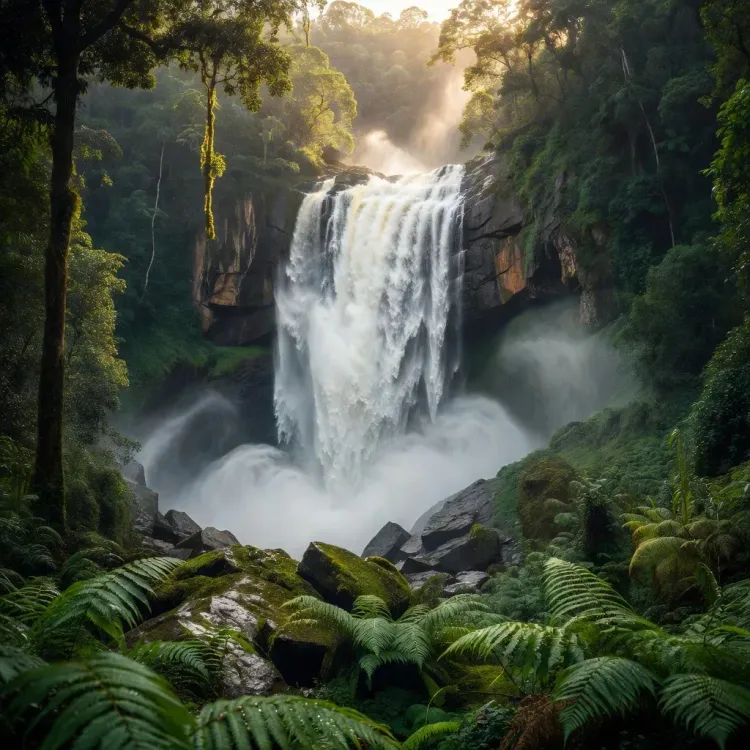
More than 540 waterfalls cascade through the forests and valleys of Karnataka — and the state's official Chief Minister's Office wants you to know every one of them. On Thursday, 12 November 2026, the Chief Minister's Office of Karnataka posted a sweeping tribute to the state's waterfall wealth, calling it the pride of Karunaadu (the beloved land of Karnataka) and a testament to its extraordinary natural endowment.
The post, written in Kannada, declares: 'Nisargada madilalli dhummikkuva jalasiriye karunaadina hemme!' — 'The water wealth that cascades in nature's lap is the pride of Karnataka!' It singles out Jog Falls, the world-renowned plunge waterfall on the Sharavati river, and the twin falls of Gaganachukki and Bharachukki on the Kaveri river near Shivanasamudra, framing them as the crown jewels of a state draped in natural splendour.
Jog and Shivanasamudra: Karnataka's waterfall royalty
Jog Falls, plunging in four distinct cascades across a width of roughly 472 metres, is counted among India's highest plunge waterfalls and draws visitors from across the country, particularly in the post-monsoon season when the Sharavati runs full. The twin falls at Shivanasamudra — Gaganachukki and Bharachukki — thunder down the Deccan Plateau's edge where the Kaveri fractures into two powerful streams, feeding one of South India's earliest hydroelectric projects. These are not scenic footnotes; they are defining landmarks of Karnataka's topography.
Western Ghats: the engine behind the cascade
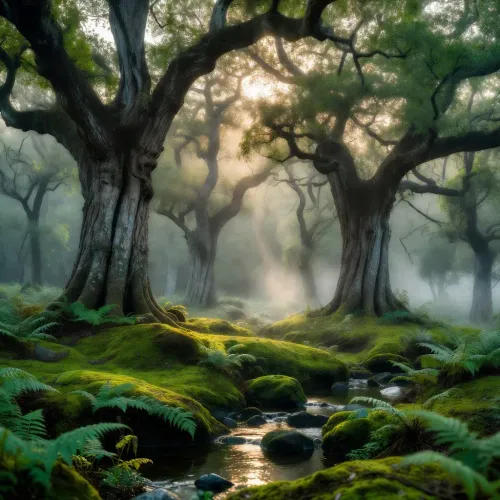
Behind almost every major waterfall in Karnataka stands the Western Ghats — a UNESCO World Heritage Site and one of the world's eight most significant biodiversity hotspots. The Ghats intercept the southwest monsoon, squeezing enormous rainfall out of clouds rolling in from the Arabian Sea, and that moisture finds its way down steep escarpments as hundreds of waterfalls threading through protected forests and wildlife sanctuaries. The state's claim of over 540 waterfalls reflects the sheer density of this orographic geography — from thundering giants to hidden seasonal threads accessible only by forest trail.
Karnataka state communications have consistently spotlighted the Western Ghats and its water features as anchors of an eco-tourism push, positioning the state as a destination that can offer both heritage and wilderness. The post fits squarely into that pattern — a reminder, timed to the post-monsoon window when waterfalls remain robust, that Karnataka's natural canvas is unlike anywhere else in peninsular India.
When a government posts not a policy announcement but a love letter to its own landscape, the message is partly promotional and partly protective. The waterfalls are only as spectacular as the forests feeding them remain intact. Karnataka's pitch to the world starts there — in the Western Ghats, where the rains hit first and the water decides everything that follows.
Point of View
In the post-monsoon window when waterfalls are at their most dramatic, is deliberate. The underlying tension worth watching is whether promotional enthusiasm translates into the forest-cover protection and sustainable visitor management that keep those 540-plus cascades flowing.
NationPress
12 Nov 2026
Frequently Asked Questions
How many waterfalls does Karnataka have?
Karnataka is said to have over 540 waterfalls , according to the state's Chief Minister's Office, spread across its diverse terrain, particularly the Western Ghats.
Which is the most famous waterfall in Karnataka?
Jog Falls on the Sharavati river is Karnataka's most renowned waterfall, counted among India's highest plunge waterfalls and visited by tourists from across the country, especially after the monsoon season.
Where are Gaganachukki and Bharachukki falls located?
Gaganachukki and Bharachukki are twin waterfalls on the Kaveri river located near Shivanasamudra in Karnataka. They are among the state's most visited natural attractions and also host one of South India's earliest hydroelectric projects.
Why does Karnataka have so many waterfalls?
Karnataka's high waterfall density is driven by the Western Ghats , a UNESCO World Heritage mountain range that intercepts the southwest monsoon and channels enormous rainfall down steep escarpments, creating hundreds of waterfalls across protected forests and valleys.
What is the best time to visit waterfalls in Karnataka?
The post-monsoon period — roughly September to November — is widely regarded as the best time to visit Karnataka's waterfalls, when rivers are full and cascades are at their most spectacular.