Army Central Command flood symposium in Lucknow ahead of Monsoon 2026
Synopsis
With Monsoon 2026 weeks away, the Indian Army's Central Command convened a rare multi-agency flood symposium in Lucknow — pulling in NDMA, IMD, IIT Madras, NDRF, and senior leadership from four flood-prone states. The focus: closing the early-warning and coordination gaps that have historically cost lives when rivers breach their banks.
Key Takeaways
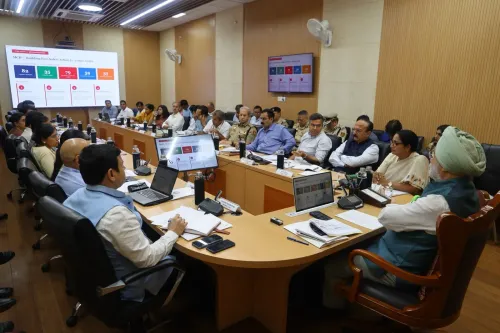
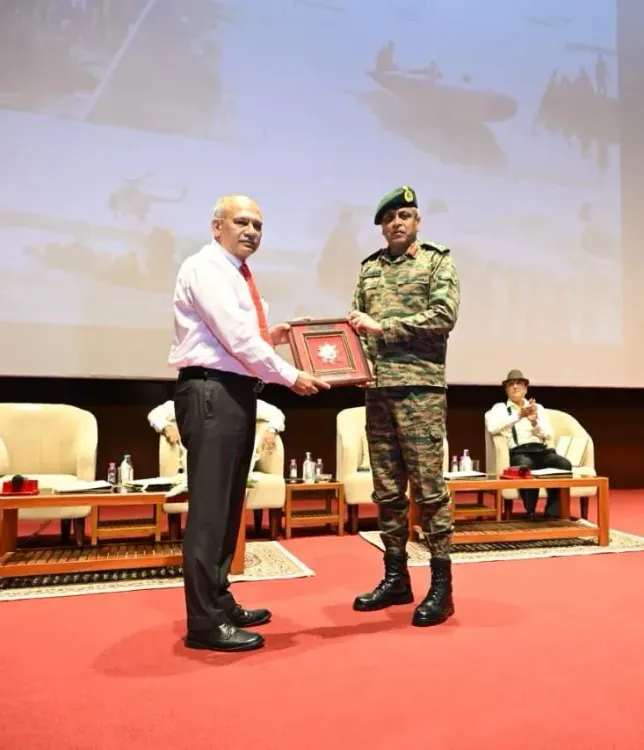
Indian Army's Central Command held a National Civil-Military Symposium on Flood and Flood Related Disaster Management at Surya Auditorium, Lucknow on 7 June 2026 .
The event was organised in coordination with Uttar Pradesh SDMA , ahead of Monsoon 2026 .
Agencies represented included NDMA , IMD , CWC , NRSC , IIT Madras , NDRF , Indian Air Force , and state governments of Uttar Pradesh , Bihar , Uttarakhand , and Madhya Pradesh .
Sengupta , Central Command GOC-in-C, and UP Jal Shakti Minister Swatantra Dev Singh addressed the gathering.
Key themes: early warning systems , satellite surveillance , CAP and SACHET dissemination, climate resilience, and integrated emergency response.
The Sikh Light Infantry Regimental Training Centre, Fatehgarh , also observed World Environment Day 2026 with plantation drives and climate-awareness sessions.
The Indian Army's Central Command on 7 June 2026 organised a National Civil-Military Symposium on Flood and Flood Related Disaster Management at Surya Auditorium, Lucknow, bringing together defence, civil administration, and scientific agencies to sharpen the country's flood response ahead of Monsoon 2026. The event was held in coordination with the Uttar Pradesh State Disaster Management Authority (SDMA).
Key Focus Areas
Deliberations at the symposium centred on flood preparedness, early warning systems, satellite-based surveillance, and the CAP and SACHET warning dissemination frameworks. Participants also addressed climate change-linked challenges, community resilience, and the need for integrated emergency response mechanisms across state and national agencies.
Who Attended
The symposium drew senior leadership from a wide cross-section of institutions, including the National Disaster Management Authority (NDMA), India Meteorological Department (IMD), Central Water Commission (CWC), National Remote Sensing Centre (NRSC), Indian Institute of Technology Madras (IIT Madras), National Disaster Response Force (NDRF), State Disaster Response Force (SDRF), Indian Air Force, Police, Fire Services, and Railways. Senior civil-military officials from Uttar Pradesh, Bihar, Uttarakhand, and Madhya Pradesh were also present.
The gathering was addressed by Uttar Pradesh Jal Shakti Minister Swatantra Dev Singh, who underlined the importance of preparedness, coordination, and community resilience in disaster management. Lieutenant General A. Sengupta, Central Command General Officer Commanding-in-Chief, Lieutenant General Yogendra Dimri (Retd), Uttar Pradesh SDMA Vice Chairperson, and Uday Kant Misra, Bihar SDMA Vice Chairperson, were among the senior officials present.
Civil-Military Coordination at the Core
The Central Command described the event as reinforcing a 'Whole-of-Government and Whole-of-Society' approach to disaster risk reduction. Officials said the symposium was designed to strengthen civil-military coordination and build a more resilient, disaster-ready India in the run-up to the monsoon season.
World Environment Day Initiatives
Separately, the Central Command's Sikh Light Infantry Regimental Training Centre at Fatehgarh marked World Environment Day 2026 with a mass plantation drive, a cleanliness campaign, and a bicycle rally. Young children participated in an art competition themed on climate change, while sessions on reducing single-use plastic and waste management were also conducted. The centre said its efforts were aligned with the global theme 'Inspired by Nature. For Climate. For Our Future'.
With the monsoon expected to arrive in the coming weeks, the symposium signals an early push by the armed forces and state agencies to close coordination gaps before flood season peaks.
Point of View
NRSC, and four state governments into the same room is the right instinct, but the real test will be whether the early-warning protocols discussed here are actually operationalised at the district level, where the last-mile breakdown typically occurs. India's flood death toll has remained stubbornly high despite improving satellite technology, suggesting the bottleneck is less about data and more about how quickly that data reaches and is acted upon by local administration. The Army's convening role is valuable, but institutional follow-through — not symposium declarations — is what saves lives.
NationPress
21 Oct 2026
Frequently Asked Questions
What was the National Civil-Military Symposium on Flood Disaster Management in Lucknow?
It was a multi-agency conference organised by the Indian Army's Central Command at Surya Auditorium, Lucknow on 7 June 2026, focused on flood preparedness, early warning systems, and civil-military coordination ahead of Monsoon 2026. The event brought together NDMA, IMD, NDRF, IIT Madras, and senior officials from four states.
Which states and agencies participated in the Lucknow flood symposium?
Senior civil-military leadership from Uttar Pradesh, Bihar, Uttarakhand, and Madhya Pradesh attended. National agencies represented included NDMA, IMD, CWC, NRSC, IIT Madras, NDRF, SDRF, Indian Air Force, Police, Fire Services, and Railways.
Why was the symposium held ahead of Monsoon 2026?
The symposium was timed to reinforce coordination and preparedness before the monsoon season, when flood risks peak across north and central India. Officials said the goal was to strengthen civil-military response mechanisms and close gaps in early warning and emergency coordination.
What is the CAP and SACHET warning system discussed at the symposium?
CAP (Common Alerting Protocol) and SACHET are India's standardised frameworks for disseminating disaster warnings to the public and emergency responders. The symposium reviewed how these systems can be better integrated with satellite surveillance and ground-level response for faster flood alerts.
What did the Sikh Light Infantry Regimental Training Centre do for World Environment Day 2026?
The centre at Fatehgarh marked World Environment Day 2026 with a mass plantation drive, cleanliness campaign, and bicycle rally. It also held a children's art competition on climate change and awareness sessions on reducing single-use plastic and improving waste management.