NDMC Monsoon Action Plan 2026: Delhi unveils anti-waterlogging strategy
Synopsis
For the first time, Delhi's NDMC is deploying robots to inspect underground drains — and that's just one part of a wide-ranging Monsoon Action Plan 2026 that includes GIS mapping, sensor-based monitoring at five flood-prone hotspots, and a ₹43 crore robotic desilting upgrade planned for next year.
Key Takeaways
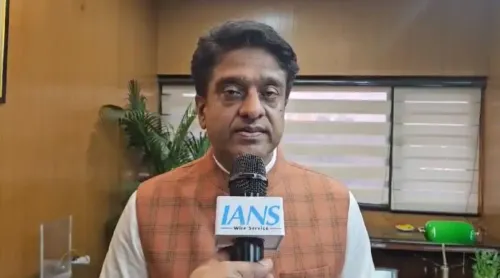
NDMC Vice-Chairperson Kuljeet Singh Chahal unveiled the Monsoon Action Plan 2026 on 8 May 2026 .
100% desilting completed in Phase 1 by 31 March 2026 ; Phase 2 to be completed by 15 June 2026 .
Robotic inspection of underground drains launched for the first time at Q Point near Taj Mansingh ; 85% survey complete.
Five major waterlogging hotspots — Purana Quila , Dayal Singh College , Panchkuian Road , Hanuman Mandir , Satya Sadan — under CCTV and sensor monitoring.
Current desilting via super sucker machines costs ₹3.50 crore ; robotic desilting of 3,200 metres planned next year at ₹43 crore .
Two additional high-capacity pumps to be installed near Sarojini Nagar by 15 June 2026 .
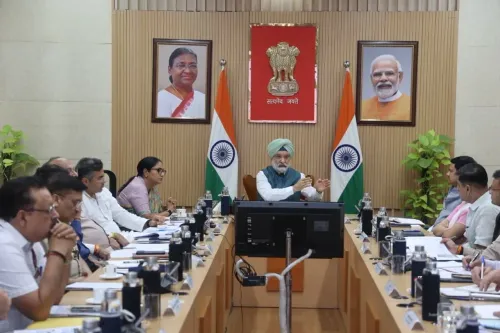
New Delhi Municipal Council (NDMC) Vice-Chairperson Kuljeet Singh Chahal on Friday, 8 May 2026, unveiled a comprehensive NDMC Monsoon Action Plan 2026, outlining measures to ensure uninterrupted civic services and minimise waterlogging across the national capital during the upcoming monsoon season. The plan spans pre-monsoon preparedness, real-time emergency response, and post-monsoon infrastructure restoration.
Key Preparations Underway
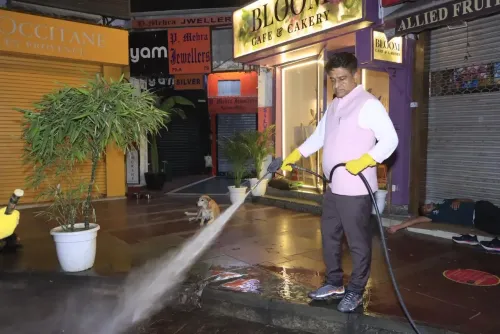
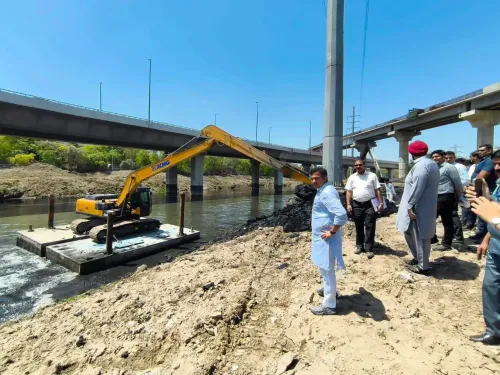
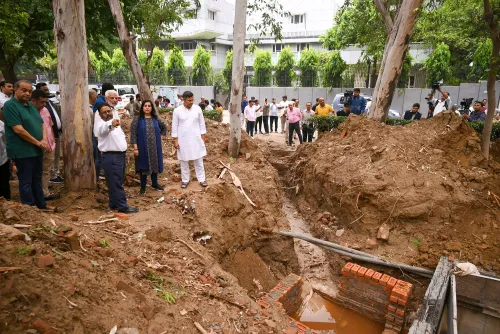
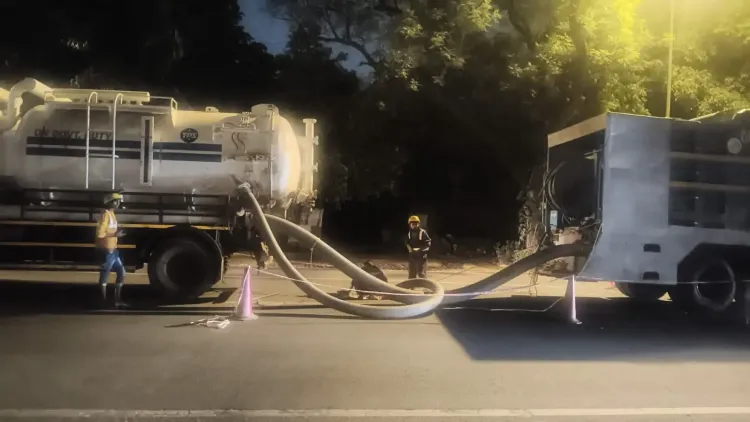
Chahal stated that 100 per cent desilting work in the first phase was completed by 31 March 2026, with the second phase scheduled for completion by 15 June 2026. Extensive cleaning of drains, stormwater channels, bellmouths, and gully traps is ongoing, alongside repair of damaged roads, potholes, manhole covers, and drainage infrastructure. Dewatering pumps, DG sets, dedicated manpower, and control rooms have been deployed at vulnerable waterlogging points ahead of the season.
Technology at the Core
In a first for the council, NDMC has initiated robotic inspection of underground and covered stormwater drains at Q Point near Taj Mansingh, with approximately 85 per cent of the survey already completed. The robotic technology identifies silt accumulation, blockages, damaged sections, and water stagnation points with far greater precision than manual inspection. In parallel, GIS mapping of underground drainage networks — covering bell mouths, gully traps, connecting pipes, manholes, and brick barrel drains — has been launched to strengthen monitoring of waterlogging-prone zones.
Desilting work is currently being carried out through super sucker machines at a cost of ₹3.50 crore. Looking ahead, the council plans to extend robotic desilting to approximately 3,200 metres of drains — covering the Q Point, DTC Depot, and Dayal Singh College areas — at an estimated cost of ₹43 crore next year.
Five Vulnerable Points Under Watch
At present, five major vulnerable waterlogging points remain in the NDMC jurisdiction: Purana Quila, Dayal Singh College area, Panchkuian Road, Hanuman Mandir, and Satya Sadan. CCTV cameras and sensor-based monitoring systems are being installed at all five locations to enable rapid response during heavy rainfall events.
A specific drainage challenge near Sarojini Nagar — where the drain bed level was found to be higher than the brick barrel drain, causing water accumulation — is being addressed through the installation of two permanent high-capacity pumps already in place, with two additional pumps to be installed by 15 June 2026.
Citizen Safety and Awareness
Beyond infrastructure, NDMC is running awareness campaigns on monsoon safety, prevention of waterborne diseases, proper waste disposal, and the importance of not dumping debris into drains. Tree pruning and removal of weak branches are also being carried out across the council area to prevent storm-related accidents. Chahal stated that the Action Plan aligns with Prime Minister Narendra Modi's vision of
Point of View
Which continues to outrun drainage capacity. The ₹43 crore robotic desilting plan for next year is ambitious, yet the five persistent waterlogging hotspots — some of which have featured on vulnerability lists for years — suggest that infrastructure investment has lagged behind the problem's scale. Monsoon action plans are announced annually; what distinguishes this one is the GIS mapping initiative, which, if executed well, could finally give planners a live picture of drainage stress points rather than reactive crisis management.
NationPress
23 Sept 2026
Frequently Asked Questions
What is the NDMC Monsoon Action Plan 2026?
The NDMC Monsoon Action Plan 2026 is a comprehensive civic preparedness framework unveiled on 8 May 2026 by NDMC Vice-Chairperson Kuljeet Singh Chahal. It covers pre-monsoon desilting and infrastructure repair, real-time emergency response with pumps and control rooms, and post-monsoon restoration of damaged infrastructure.
Which areas in Delhi are most vulnerable to waterlogging under NDMC jurisdiction?
Five major vulnerable waterlogging points have been identified: Purana Quila, Dayal Singh College area, Panchkuian Road, Hanuman Mandir, and Satya Sadan. CCTV cameras and sensor-based monitoring systems are being installed at all five locations for rapid response during heavy rainfall.
What is the robotic drain inspection being done by NDMC?
NDMC has, for the first time, deployed robotic technology to inspect underground and covered stormwater drains at Q Point near Taj Mansingh, with 85% of the survey already completed. The technology detects silt accumulation, blockages, damaged sections, and water stagnation points more accurately than manual methods.
How much is NDMC spending on desilting and drain upgrades?
Current desilting via super sucker machines is being carried out at a cost of ₹3.50 crore. Next year, robotic desilting of approximately 3,200 metres covering Q Point, DTC Depot, and Dayal Singh College areas is planned at an estimated cost of ₹43 crore.
When will NDMC's monsoon preparations be fully complete?
The second phase of desilting work is scheduled for completion by 15 June 2026, ahead of the peak monsoon season. Two additional high-capacity pumps near Sarojini Nagar are also to be installed by the same date.