Assam Minister demands SIR every 5 years to purge foreigners from voter rolls
Synopsis
Assam Minister Jayanta Mallabaruah has called for a mandatory five-year SIR cycle to keep foreign nationals off the state's voter rolls — reviving a debate rooted in the 1985 Assam Accord. With the NRC still contested and the CAA in the political crossfire, Assam's citizenship-versus-citizenship politics shows no sign of cooling.
Key Takeaways
Assam Minister Jayanta Mallabaruah on 14 October 2026 demanded a Special Intensive Revision (SIR) of electoral rolls every five years .
He cited the anti-foreigners agitation (1979–1985) and the Assam Accord of 1985 as historical justification for the demand.
Any decision on SIR frequency rests with the Election Commission of India (ECI) , not the state government.
The minister attacked Congress leader Rahul Gandhi and Opposition parties over their EVM allegations, saying the party 'blames EVMs after every loss.' Organisers claimed over 30,000 people attended the Jan Jagaran Samdal rally in Nalbari on Tuesday — a figure not independently verified.
Mallabaruah also criticised groups opposing the Citizenship (Amendment) Act (CAA) , alleging their stance was against national interest.
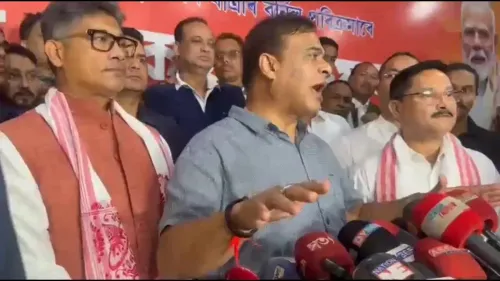
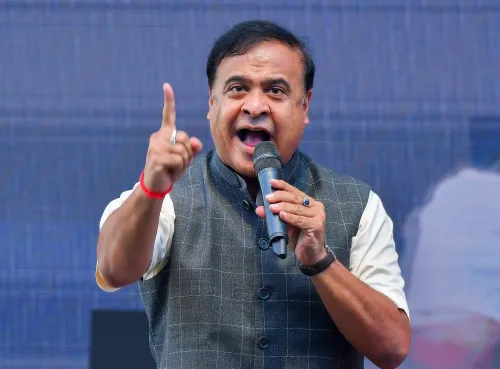
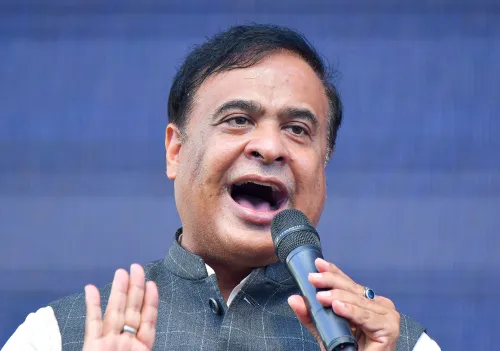
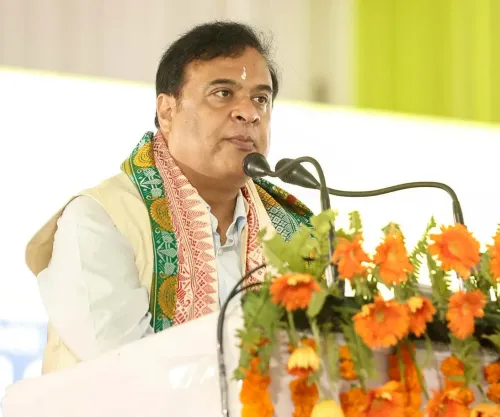
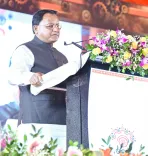
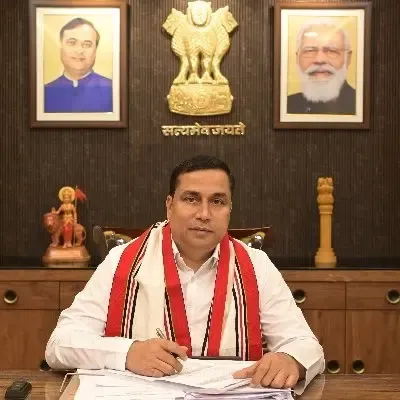
Assam Minister Jayanta Mallabaruah on Wednesday, 14 October 2026, called for a Special Intensive Revision (SIR) of electoral rolls every five years in Assam, arguing the periodic exercise is the only reliable mechanism to ensure no foreign national's name persists on the state's voter list. The demand comes amid an ongoing political debate in Assam over voter eligibility, citizenship verification, and illegal immigration.
What Mallabaruah Said
'Everyone wants an SIR in Assam. Not a single foreigner's name should remain on Assam's voter list,' the minister stated, framing the demand as a broad public consensus rather than a partisan position. He anchored his argument in the state's turbulent history, citing the six-year anti-foreigners agitation from 1979 to 1985 as evidence that Assam has long-standing, historically grounded reasons to demand rigorous scrutiny of electoral rolls.
That agitation culminated in the signing of the Assam Accord in 1985, which centred on identifying illegal immigrants and addressing their presence in the electorate. Mallabaruah's invocation of the Accord signals an attempt to root his demand in a politically unifying historical moment rather than purely in current Bharatiya Janata Party (BJP) politics.
The SIR Debate in Context
The call for a regular SIR cycle adds a new dimension to a debate that has defined Assam's politics for decades. Notably, any decision on the frequency and implementation of such revisions ultimately rests with competent electoral authorities — the Election Commission of India (ECI) — under the applicable legal framework, and is not within the unilateral powers of any state minister.
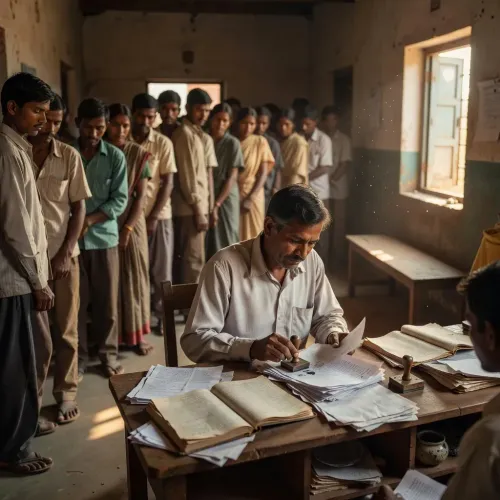
This is not the first time the issue of foreigners on Assam's voter rolls has surfaced as a flashpoint. The state has previously undertaken the National Register of Citizens (NRC) process, which concluded in 2019 and excluded approximately 19 lakh residents from its final list — a figure that itself remains contested and is subject to ongoing legal proceedings.
Attack on the Opposition Over EVMs
Mallabaruah also directed sharp criticism at Congress leader Rahul Gandhi and Opposition parties over their allegations concerning electronic voting machines (EVMs) and demands for a return to ballot paper voting. He alleged that the Congress consistently questions the electoral process only after losing elections.
'Congress never stands with the public, which is why they keep losing. And after losing, they blame EVMs, sometimes ballot papers, or make other excuses,' Mallabaruah said. The Congress and allied Opposition parties have raised concerns about electoral transparency and EVM functioning, making it a recurring point of contention with the ruling establishment.
Rally Claims and CAA Remarks
Speaking about the Jan Jagaran Samdal rally held in Nalbari on Tuesday, the minister claimed that BJP-led governments at the Centre and in Assam were drawing growing support from women and young voters. Organisers claimed attendance of more than 30,000 people at the rally, though that figure has not been independently verified.
Mallabaruah also criticised groups opposed to the Citizenship (Amendment) Act (CAA), alleging that their stance ran contrary to the country's broader national interest — a charge opponents of the Act firmly dispute. With elections and citizenship politics continuing to intersect in Assam, the minister's demand for a five-year SIR cycle is likely to sharpen the existing fault lines between the ruling party and the Opposition.
Point of View
Intended to be the definitive answer to exactly this question, remains legally unresolved and disputed, raising the question of whether another SIR cycle addresses the root problem or merely defers it. The ECI, not state ministers, holds the authority here — and its track record on Assam-specific roll verification has itself drawn scrutiny. Linking the SIR demand to an EVM attack on the Congress in the same breath signals that the citizenship debate in Assam continues to function as much as an electoral mobilisation tool as a governance imperative.
NationPress
14 Oct 2026
Frequently Asked Questions
What is a Special Intensive Revision (SIR) of electoral rolls?
A Special Intensive Revision is a comprehensive, door-to-door verification exercise conducted by electoral authorities to update voter lists — adding eligible citizens and removing ineligible ones, including those who may have died, migrated, or do not meet citizenship requirements. In Assam's context, SIRs have particular significance given the state's longstanding concerns about foreign nationals being included in the electorate.
Why is Assam's voter roll verification issue politically sensitive?
Assam witnessed a six-year agitation from 1979 to 1985 demanding the identification and removal of illegal immigrants from voter lists, culminating in the Assam Accord of 1985. The state subsequently undertook the National Register of Citizens (NRC) process, whose 2019 final list excluded approximately 19 lakh people — a figure still under legal challenge. This history makes voter roll integrity a perennially charged issue in the state.
Can the Assam state government implement a five-year SIR cycle on its own?
No. Any decision on the frequency and modality of Special Intensive Revisions rests with the Election Commission of India (ECI) under the applicable legal framework. A state minister's demand, while politically significant, does not have binding force over the ECI's independent authority.
What did Mallabaruah say about EVMs and the Congress?
The minister accused the Congress of questioning the electoral process — including electronic voting machines (EVMs) — only after losing elections, rather than on principled grounds. He alleged the party habitually shifts blame to EVMs, ballot papers, or other procedural concerns instead of accepting electoral verdicts. The Congress and allied parties maintain that their EVM concerns are legitimate and relate to electoral transparency.
What is the Citizenship (Amendment) Act (CAA) and why did the minister mention it?
The CAA, enacted in 2019, provides a fast-track citizenship pathway for non-Muslim minorities from Pakistan, Bangladesh, and Afghanistan who entered India before 31 December 2014. Mallabaruah criticised groups opposing the CAA, alleging their position was against national interest — a claim opponents of the Act dispute. The CAA remains a flashpoint in Assam, where critics argue it contradicts the Assam Accord's citizenship cutoff of 24 March 1971.