Australia sanctions 3 Israeli settlers, 4 entities over West Bank violence
Synopsis
Australia has moved from diplomatic statements to concrete action — sanctioning three Israeli individuals and four entities, including farming outposts used as bases for settler violence. Coordinated with New Zealand and backed by a nine-nation joint statement, the measures mark a meaningful escalation in Western pressure on Israel over West Bank settlement activity.
Key Takeaways
Australia imposed sanctions on three Israeli individuals and four entities on 2 June over West Bank settler violence.
Foreign Affairs Minister Penny Wong said settler violence undermines Israel's security and global standing.
For the first time, sanctioned entities include farming outposts identified as hubs for settler violence.
Sanctioned individuals face a ban on entering Australia and financial restrictions on receiving Australian money or assets.
The measures were coordinated with New Zealand and follow a nine-nation joint statement in May calling for an end to settlement expansion.
The joint statement declared Israeli settlements in the West Bank illegal under international law and warned against construction in the E1 area .
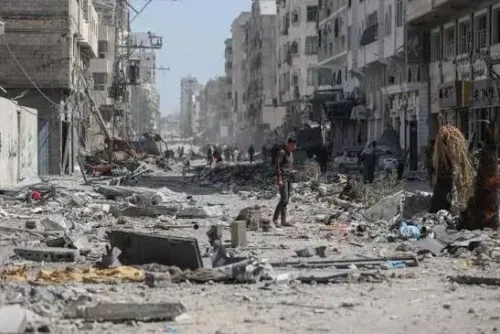
The Australian government on Tuesday, 2 June imposed sanctions on three Israeli individuals and four entities in response to escalating settler violence against Palestinians in the West Bank. The move marks a significant diplomatic step by Canberra, coordinated with partners including New Zealand, and signals Australia's sharpening stance on the Israeli-Palestinian conflict.
What the Sanctions Entail
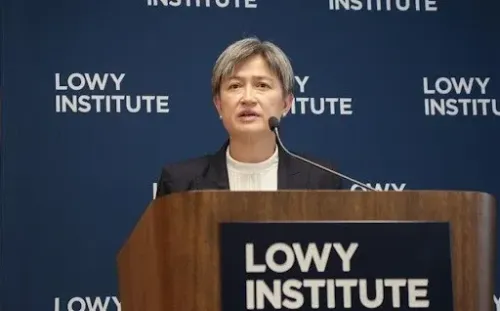
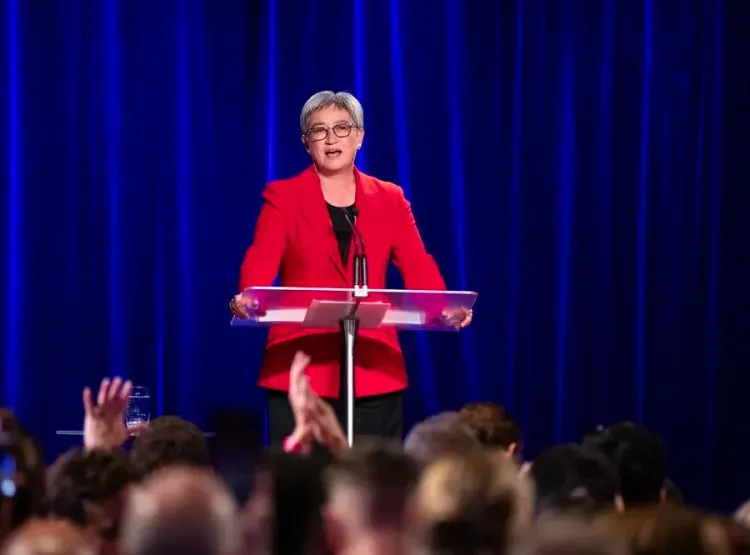
Foreign Affairs Minister Penny Wong announced the measures in an official statement, describing settler violence as a threat not only to Palestinians but to Israel's own security and international standing. Under the sanctions, the designated individuals face a ban on entering Australia, while all seven targets — individuals and entities alike — are subject to financial restrictions, making it illegal for Australians to transfer money or assets to them.
Notably, for the first time, the designated entities include farming outposts identified as operational hubs for settler violence. “For the first time, designated entities now include farming outposts that serve as hubs for settler violence,” Wong said.
Scale and Nature of Settler Violence
Wong described a pattern of systematic harm against Palestinian communities. “Settler violence is used to displace Palestinians and perpetuate the settlement enterprise, through destruction of property, displacement of families, beatings, sexual assault, and torture, resulting in serious injuries and deaths,” she said. The characterisation goes beyond property damage, placing the conduct within a framework of organised displacement.
Broader Western Pressure on Israel
The Australian sanctions follow a May 2025 joint statement in which Prime Minister Anthony Albanese joined the leaders of Britain, France, Germany, Italy, Canada, Norway, the Netherlands, and New Zealand in calling for an end to escalating Israeli settlement activity in the West Bank. That statement, published by the British Prime Minister's Office, declared that the situation in the West Bank had “deteriorated significantly,” with settler violence at “unprecedented levels.”
The leaders also flagged that Israeli settlements in the West Bank are illegal under international law, and warned that construction in the E1 area would effectively divide the West Bank in two — a development they termed a serious breach of international law. Businesses were urged not to bid for construction tenders in E1 or other settlement developments, citing legal and reputational risks.
Australia's Position on Two-State Solution
Wong framed the sanctions as consistent with Australia's long-term commitment to both Israeli and Palestinian security. The joint statement reaffirmed support for a negotiated two-state solution, with Israel and Palestine coexisting in peace and security. This comes amid growing international frustration over the pace of settlement expansion and the absence of a credible peace process.
With Western allies increasingly moving from statements to concrete measures, the pressure on Israel over West Bank policy is likely to intensify in the weeks ahead.
Point of View
Allied strategy. What remains to be seen is whether the European signatories of that joint statement follow Canberra's lead with their own sanctions, or whether Australia finds itself ahead of a coalition that is still mostly talking.
NationPress
20 Sept 2026
Frequently Asked Questions
Why has Australia sanctioned Israeli settlers and entities?
Australia imposed sanctions on three Israeli individuals and four entities on 2 June in response to escalating settler violence against Palestinians in the West Bank. Foreign Affairs Minister Penny Wong said the violence undermines Israel's security and international standing, and that the measures were coordinated with New Zealand and other partners.
What do the Australian sanctions involve?
The sanctioned individuals are banned from entering Australia, and all seven targets face financial restrictions that make it illegal for Australians to provide them with money or assets. The sanctioned entities include, for the first time, farming outposts identified as operational bases for settler violence.
Which countries has Australia coordinated with on these sanctions?
Australia coordinated the sanctions with New Zealand. The move also follows a broader May 2025 joint statement signed by the leaders of Australia, Britain, France, Germany, Italy, Canada, Norway, the Netherlands, and New Zealand, calling for an end to escalating Israeli settlement activity in the West Bank.
What is the E1 area and why is it significant?
The E1 area is a contested zone in the West Bank where proposed Israeli construction has drawn international concern. The nine-nation joint statement warned that building in E1 would effectively divide the West Bank in two, constituting a serious breach of international law, and urged businesses not to bid for construction tenders there.
What is Australia's stated position on the Israeli-Palestinian conflict?
Australia supports a negotiated two-state solution, with Israel and Palestine living side by side in peace and security. The sanctions are framed by Canberra as consistent with its commitment to the long-term security of both Israelis and Palestinians.