Australia to vaccinate captive birds against H5N1 as cases surge 300%
Synopsis
Australia has acquired 1,500 H5N1 vaccine vials and will prioritise captive endangered birds as confirmed cases surge over 300% since early August. With officials explicitly warning of more mass die-offs across the country, this is less a containment strategy and more a calculated triage — and it signals how seriously Canberra is treating a crisis that has already killed tens of thousands of animals globally.
Key Takeaways
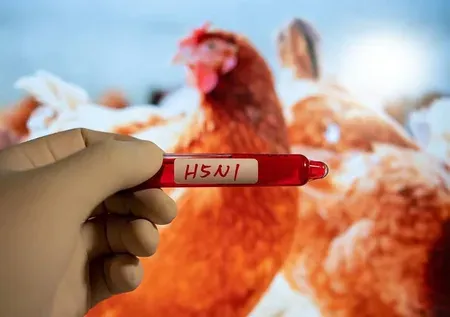
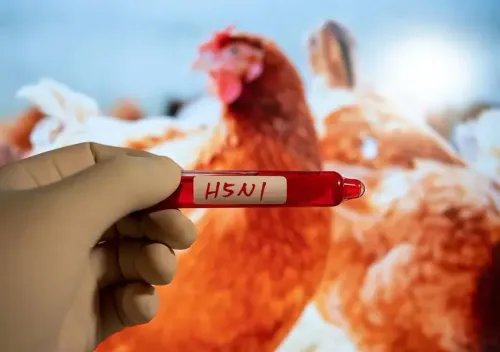
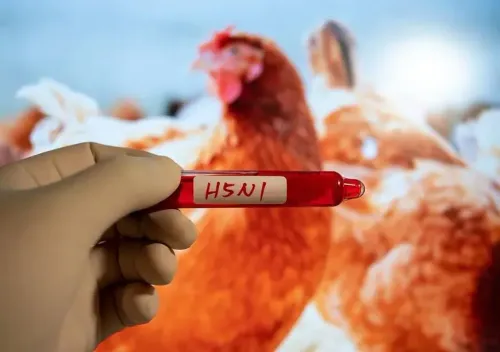
The Australian government announced on 11 August it will vaccinate high-risk captive birds against H5N1 avian influenza.
An initial 1,500 vials of the H5N1 vaccine have been acquired; captive species will be prioritised by vulnerability.
As of 10 August , Australia had 231 confirmed H5N1 cases , a rise of over 300 percent since the start of August.
The H5N1 strain was first detected on the Australian mainland in June 2025 .
Australia's first continental mass mortality event — a flock of greater crested terns off the South Australian coast — was confirmed on 3 August .
The same strain killed an estimated 13,359 southern elephant seal pups on Heard Island between August 2025 and January 2026 .
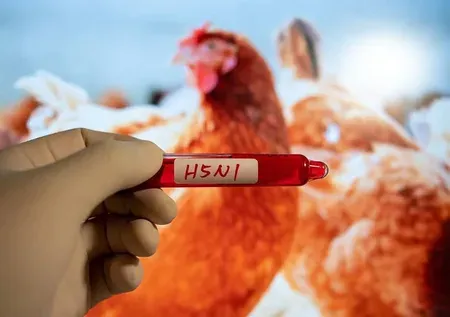
The Australian government on Tuesday, 11 August announced it will begin vaccinating high-risk captive birds against the H5N1 strain of avian influenza, as confirmed cases on the mainland surge by more than 300 percent since the start of August. The move marks a significant escalation in Canberra's response to a rapidly spreading outbreak that officials have warned will continue to worsen.
Vaccine rollout and priority species
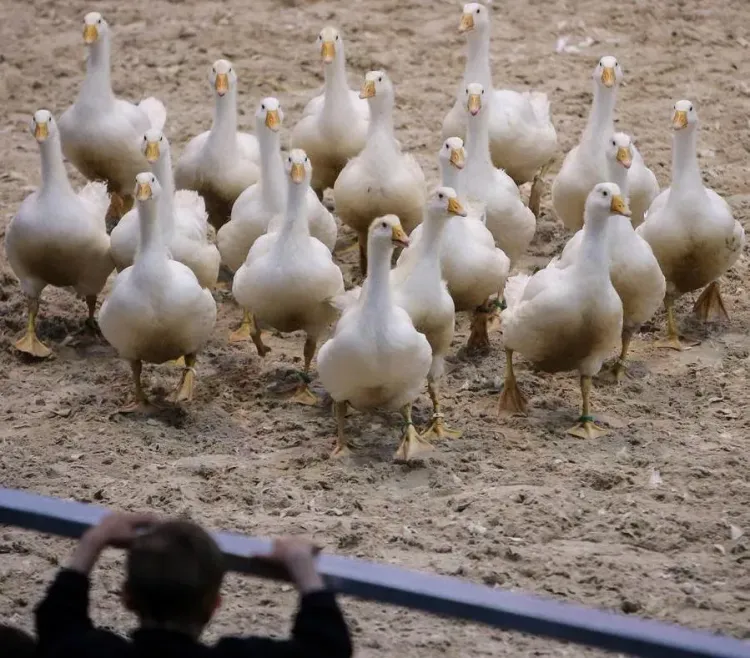
Australia's Agriculture, Fisheries and Forestry Minister Julie Collins confirmed in Canberra that the government has acquired an initial 1,500 vials of the H5N1 vaccine. Administration will be prioritised based on species vulnerability and risk of exposure to the highly pathogenic strain.
'We've been very clear that we cannot stop the H5 bird flu from spreading amongst wild birds, but we can take action to protect the species most at risk, and the vaccination is now part of that response,' Collins said.
Environment and Water Minister Murray Watt, speaking alongside Collins, noted that wild birds would be vaccinated where possible, but that captive populations would be the immediate priority. He also confirmed the government has expanded captive breeding programmes in zoos to maintain viable populations of endangered species.
Scale of the outbreak
As of Monday, 10 August, Australia had recorded 231 confirmed cases of the H5N1 strain, which was first detected on the Australian mainland in June 2025. The case count has risen by over 300 percent since the beginning of August alone — a trajectory that authorities have described as expected but alarming.
'Australians should expect to see more spread and larger numbers, particularly of dead birds and mass mortalities around the country from the H5 bird flu; we have been very clear that this will continue to spread across the country,' Collins warned.
First mass mortality event on the continent
On 3 August, the federal government confirmed Australia's first mass mortality event from the H5N1 strain on the continent — a flock of greater crested terns found dead on an island off the South Australian coast. Speaking on ABC radio on 4 August, Minister Watt cautioned that further mass mortality events were likely.
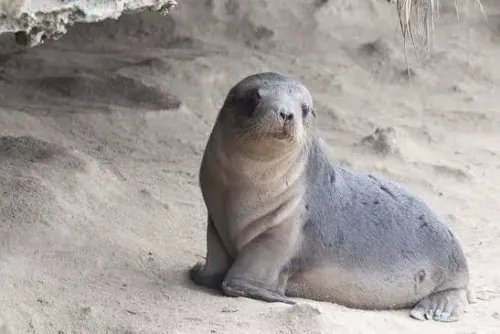
This comes amid a broader global pattern of H5N1 devastation. The strain killed an estimated 30,000 sea lions in South America within six months in 2022, and wiped out an estimated 13,359 southern elephant seal pups on Australia's Heard Island in the Southern Ocean between August 2025 and January 2026.
What comes next
With officials explicitly stating that the spread cannot be halted among wild bird populations, the vaccination programme represents a triage strategy — protecting the most vulnerable captive species while the outbreak runs its course in the wild. Conservationists and wildlife authorities will be watching closely whether the 1,500 vials prove sufficient as case numbers continue to climb.
Point of View
500-vial stockpile, while a start, is modest against a 300-percent case surge in under a fortnight. The deeper question is whether Australia's captive breeding infrastructure can move fast enough to preserve genetic diversity of endangered species before the outbreak peaks. The Heard Island elephant seal data — nearly 13,400 pups lost in six months — is a sobering benchmark for what unchecked H5N1 can do to concentrated animal populations.
NationPress
25 Sept 2026
Frequently Asked Questions
Why is Australia vaccinating captive birds against H5N1?
Australia is vaccinating captive birds because officials say it is not possible to stop H5N1 spreading among wild bird populations, making the protection of vulnerable captive species the most viable intervention. The government has prioritised birds based on their vulnerability and risk of contracting the highly pathogenic strain.
How many H5N1 cases has Australia confirmed so far?
As of 10 August, Australia had confirmed 231 cases of the H5N1 strain, which was first detected on the mainland in June 2025. Case numbers have risen by more than 300 percent since the start of August.
What was Australia's first mass mortality event from H5N1?
On 3 August, the federal government confirmed the first mass mortality event from H5N1 on the Australian continent — a flock of greater crested terns found dead on an island off the South Australian coast. Authorities have warned that further such events are likely.
How deadly has H5N1 been globally for wildlife?
The H5N1 strain killed an estimated 30,000 sea lions in South America within six months in 2022. It also wiped out an estimated 13,359 southern elephant seal pups on Australia's Heard Island in the Southern Ocean between August 2025 and January 2026.
Will wild birds also be vaccinated in Australia?
Environment and Water Minister Murray Watt said wild birds would be vaccinated where possible, but captive populations will be the immediate priority. The government has also expanded captive breeding programmes in zoos to safeguard populations of endangered species.