Australia H5N1 bird flu outbreak crosses 200 cases as Victoria acts
Synopsis
Australia's H5N1 bird flu case count has exploded by 290 per cent in August alone, crossing 203 cases with wild seabirds driving the surge. Victoria's emergency order to house commercial poultry indoors marks the first direct regulatory response — and with mass mortality events already confirmed, the gap between wildlife and the agricultural system is narrowing fast.
Key Takeaways
Australia recorded 203 confirmed or presumed positive H5N1 cases as of 8 August , a 290% increase from 52 cases at the end of July.
South Australia leads with 147 cases , including 28 new detections on Saturday — all in wild seabirds.
Victoria has recorded 43 cases and ordered poultry producers with flocks of at least 50 birds to house them indoors for 14 days .
Australia's first H5N1 mass mortality event — in greater crested terns off the SA coast — was confirmed on Monday .
Chief Veterinary Officer Beth Cookson confirmed no detections in the agricultural system and said the risk to human health remains low .
The H5N1 strain killed an estimated 13,359 southern elephant seal pups on Heard Island between August 2025 and January 2026 .
Australia's H5N1 bird flu outbreak surpassed 203 confirmed or presumed positive cases as of Saturday, 8 August, according to the federal Department of Agriculture, Fisheries and Forestry (DAFF), as the southeastern state of Victoria moved to contain the deadly strain by ordering poultry indoors. The case count has surged by 290 per cent in August alone, up from just 52 at the end of July.
Case Count and Distribution
South Australia (SA) accounts for the largest share of infections, with 147 cases — including 28 new detections confirmed on Saturday, all in wild seabirds. Victoria has recorded the second-highest tally with 43 cases, including 36 birds confirmed on Thursday and Friday after being found in the state's west near the SA border.
Victoria's Emergency Containment Measures
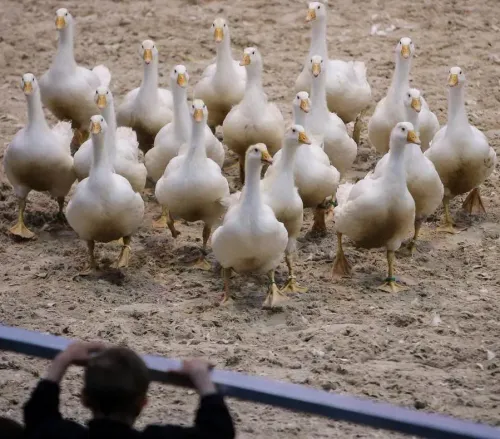
The Victorian government on Friday announced a mandatory indoor housing order for poultry producers along the state's south coast, including in Melbourne, requiring any flock of at least 50 birds to be housed indoors for an initial period of 14 days. Victorian Agriculture Minister Michaela Settle described the measure as precautionary, expressing hope it would prevent the H5N1 strain from entering commercial poultry operations.
What Officials Have Said
Australian Chief Veterinary Officer Beth Cookson said in a statement that there have been no detections of H5N1 in Australia's agricultural system and that the risk to human health remains low. Environment and Water Minister Murray Watt, speaking separately on ABC Radio, warned that Australia is likely to see more mass mortality events as the outbreak continues to develop.
Mass Mortality Events and Global Context
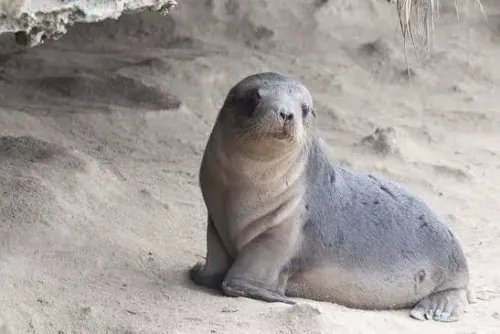
The federal government on Monday confirmed Australia's first mass mortality event from the H5N1 strain — a flock of greater crested terns found on an island off the SA coast. The strain's destructive potential is well-documented: it killed an estimated 30,000 sea lions in South America within six months in 2022, and is reported to have killed an estimated 13,359 southern elephant seal pups on Australia's Heard Island in the Southern Ocean between August 2025 and January 2026. This comes amid growing global concern over the spread of highly pathogenic avian influenza into new wildlife populations and geographies.
What Comes Next
With the case count still climbing steeply and wild seabird populations continuing to test positive, authorities face pressure to expand containment zones. The 14-day indoor housing order in Victoria will be closely watched as a test of whether movement restrictions can create a buffer between wild bird populations and commercial poultry. Any detection within the agricultural system would significantly escalate the response.
Point of View
000 sea lions in South America, thousands of elephant seals on Heard Island — suggests the wildlife reservoir is deep. Australia has so far avoided an agricultural breach, but the margin is shrinking, and the policy toolkit remains reactive rather than anticipatory.
NationPress
22 Sept 2026
Frequently Asked Questions
How many H5N1 bird flu cases have been confirmed in Australia?
As of Saturday, 8 August, Australia had recorded 203 confirmed or presumed positive H5N1 cases, according to the federal Department of Agriculture, Fisheries and Forestry. The count has risen by 290 per cent in August alone, up from 52 cases at the end of July.
Which Australian states have been most affected by the H5N1 outbreak?
South Australia has the highest case count with 147 detections, all in wild seabirds. Victoria has the second-highest tally with 43 cases, concentrated near the SA border in the state's west.
What measures has Victoria introduced to contain H5N1?
The Victorian government on Friday announced a mandatory 14-day indoor housing order for poultry producers along the state's south coast, including Melbourne, with flocks of at least 50 birds. Agriculture Minister Michaela Settle described it as a precautionary step to prevent the strain from reaching commercial poultry.
Is H5N1 a risk to humans or commercial poultry in Australia?
Australian Chief Veterinary Officer Beth Cookson has confirmed that there are no H5N1 detections in the agricultural system and that the risk to human health remains low. All current cases are in wild seabirds.
How dangerous is the H5N1 strain to wildlife globally?
The H5N1 strain has caused severe wildlife mortality events worldwide. It killed an estimated 30,000 sea lions in South America within six months in 2022 and is reported to have killed approximately 13,359 southern elephant seal pups on Australia's Heard Island between August 2025 and January 2026.