Balochistan protest in Amsterdam: FBM rallies on UN Torture Victims Day
Synopsis
On the UN's International Day in Support of Victims of Torture, Baloch diaspora activists took to Amsterdam's Dam Square to accuse Pakistani security forces of systematic abductions, extrajudicial killings, and torture in Balochistan — and to demand that the EU and UN move from silence to accountability.
Key Takeaways
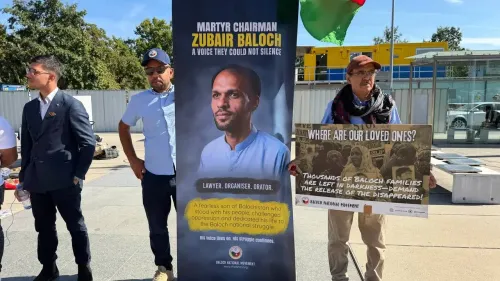
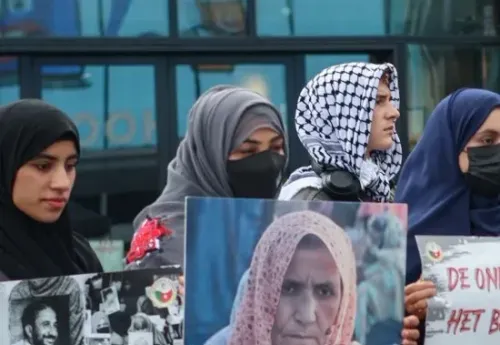
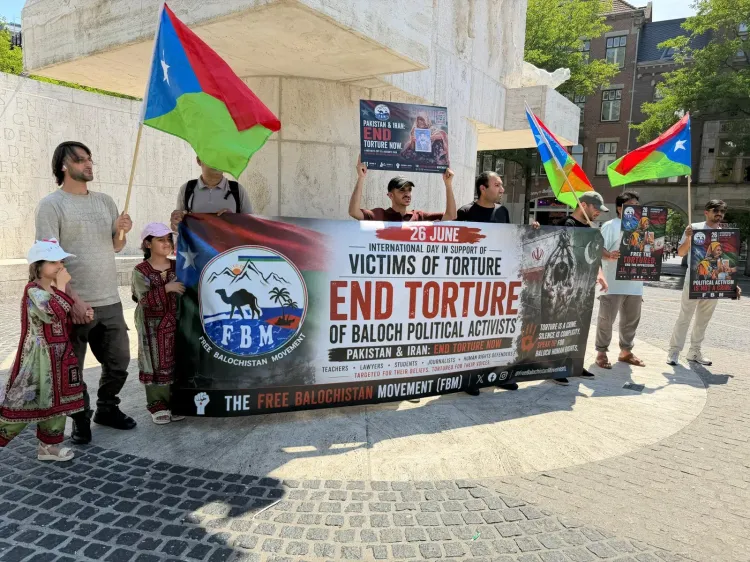
The Free Balochistan Movement (FBM) held a protest at Dam Square, Amsterdam on 27 June , coinciding with the UN International Day in Support of Victims of Torture .
Activists alleged Pakistani security forces have carried out systematic enforced disappearances, extrajudicial killings, and arbitrary detentions of Baloch civilians.
Asad Baloch of the FBM said families have waited 'years, some decades' for answers on missing relatives.
The Baloch Voice for Justice (BVJ) separately expressed solidarity with victims, calling the alleged abuses a violation of 'the most basic principles of human dignity.' The FBM called on the EU , UN , and global human rights bodies to hold perpetrators accountable and protect at-risk activists.
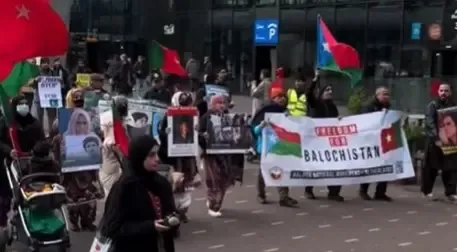
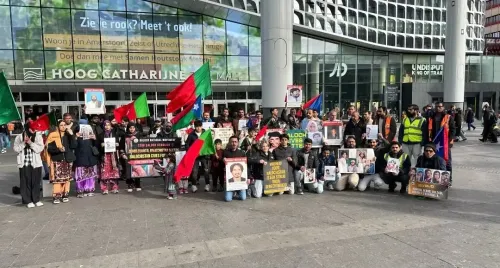
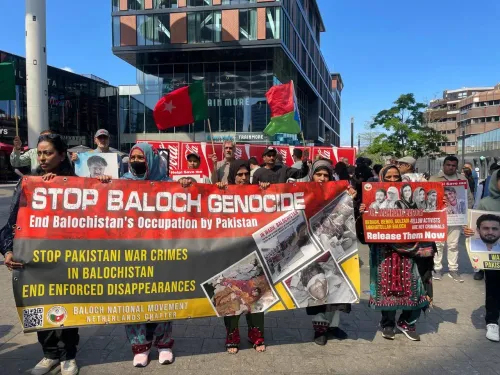
The Free Balochistan Movement (FBM), a political organisation advocating for Balochistan's independence, staged a demonstration at Dam Square in Amsterdam on 27 June, marking the United Nations' International Day in Support of Victims of Torture. Activists drew attention to what they described as decades of systematic abuse against Baloch civilians by Pakistani security forces, demanding international accountability.
What Protesters Highlighted
Demonstrators condemned what they called a 'brutal machinery of oppression' — encompassing torture cells, extrajudicial killings, and arbitrary detentions — carried out by Pakistani security forces. Activists alleged these abuses are 'not isolated incidents but part of a long-standing pattern' of repression against Baloch students, political workers, and ordinary citizens.
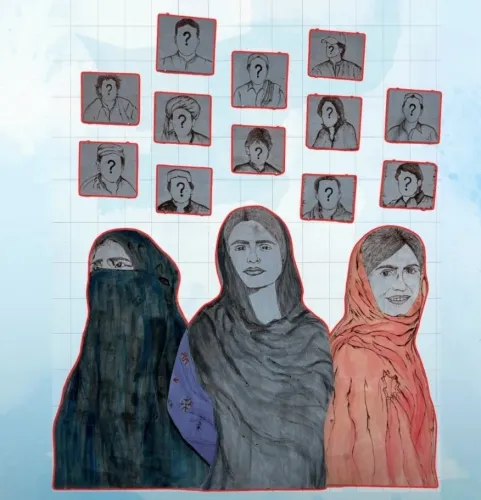
Asad Baloch, a member of the FBM, said in a post on social media platform X: 'Protesters condemned the ongoing abductions of Baloch students, political workers, and ordinary citizens who vanish without trial, without charges, and without a trace. Families have waited years, some decades, for answers that never come.'
Call to International Bodies
The FBM formally called on the European Union, the United Nations, and global human rights organisations to break what it described as institutional silence on the Balochistan issue. Activists urged these bodies to protect vulnerable activists and hold perpetrators accountable.
Asad Baloch described the Amsterdam action as 'part of a growing wave of diaspora-led mobilisation across Europe — a movement determined to ensure that the Baloch struggle for dignity, safety, and freedom is no longer pushed to the margins of global attention.'
Solidarity from Baloch Voice for Justice
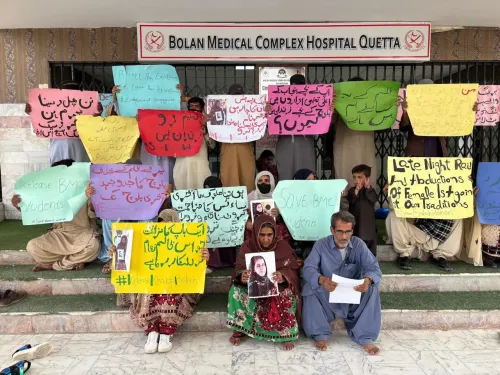
Separately, the Baloch Voice for Justice (BVJ), another human rights group, expressed solidarity with victims of torture and families affected by enforced disappearances and arbitrary detention. In a statement, the BVJ said: 'The systematic use of torture and incommunicado detention undermines the rule of law and violates the most basic principles of human dignity. Families searching for their loved ones have spent years pursuing peaceful and lawful avenues, yet their calls for justice continue to be ignored.'
Broader Context
Balochistan, Pakistan's largest province by area, has been the site of a long-running insurgency and persistent allegations of human rights violations by security forces. Rights groups have repeatedly documented enforced disappearances and extrajudicial killings, though Pakistani authorities have generally denied systematic abuse. The UN and several European governments have periodically raised concerns, but diaspora groups argue that formal international pressure has remained inadequate. This demonstration in Amsterdam reflects a broader pattern of Baloch diaspora activism intensifying across Europe in recent years.
All allegations of abuse cited in this report are attributed to protest organisers and activist groups; NationPress has not independently verified the specific claims made.
Point of View
Timed to UN calendar moments for maximum visibility. What is striking is the explicit pivot toward multilateral bodies: the FBM is not merely documenting grievances but demanding institutional action from the EU and UN. Yet neither body has moved beyond periodic expressions of concern. The gap between diaspora urgency and international institutional inertia is itself the story — and until that gap narrows, protests like Amsterdam's Dam Square demonstration will keep multiplying without producing the accountability activists are demanding.
NationPress
25 Sept 2026
Frequently Asked Questions
What is the Free Balochistan Movement (FBM)?
The Free Balochistan Movement is a political organisation that advocates for the independence of Balochistan from Pakistan. It is active primarily among the Baloch diaspora in Europe and has organised a series of protests drawing attention to alleged human rights abuses by Pakistani security forces.
Why did the FBM choose 27 June for the Amsterdam protest?
The protest was timed to coincide with the United Nations' International Day in Support of Victims of Torture, observed annually on 26 June, to maximise visibility and connect the Baloch cause to a globally recognised human rights moment.
What specific abuses did protesters allege?
Protesters alleged enforced disappearances of Baloch students, political workers, and ordinary citizens; extrajudicial killings; arbitrary detentions; and the operation of torture cells by Pakistani security forces. The groups described these as part of a systematic, long-standing pattern rather than isolated incidents.
What did the Baloch Voice for Justice say?
The Baloch Voice for Justice expressed solidarity with victims of torture and families affected by enforced disappearances, stating that the systematic use of torture and incommunicado detention violates fundamental human dignity and that families pursuing peaceful and lawful avenues for justice have been consistently ignored.
What action are the activists demanding from international bodies?
The FBM called on the European Union, the United Nations, and global human rights organisations to break their silence, protect vulnerable activists, and hold those responsible for alleged abuses in Balochistan accountable. Activists described the Amsterdam protest as part of a growing wave of diaspora-led mobilisation across Europe.