Is the Balochistan Insurgency Driven by Marginalization and Repression by Pakistan?
Synopsis
Uncover the roots of the Balochistan insurgency, where the quest for political autonomy clashes with state repression. This detailed report sheds light on the ongoing struggle for justice amid enforced disappearances and human rights violations, urging a political solution to a crisis that has persisted for decades.
Key Takeaways
The Balochistan insurgency is largely fueled by demands for political autonomy.
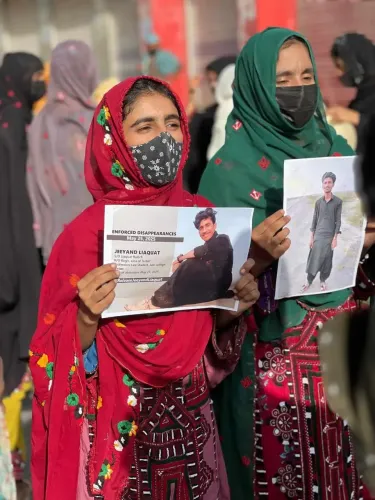
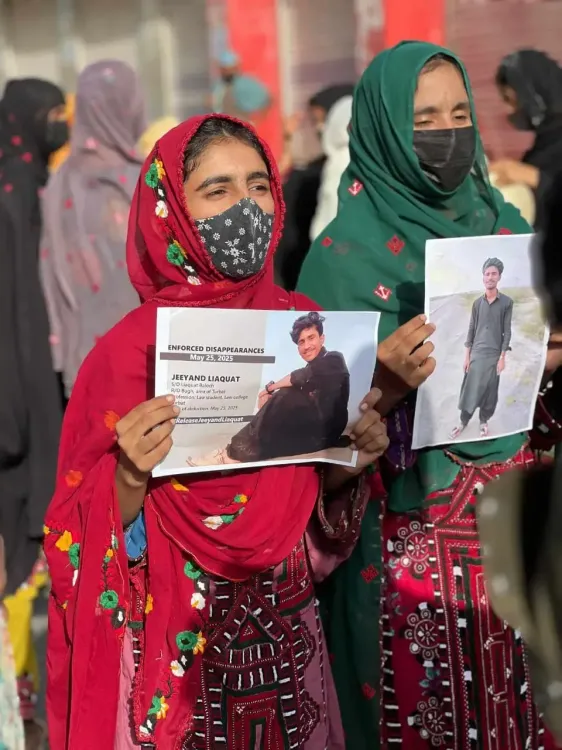
Serious human rights abuses, including enforced disappearances, have been reported.
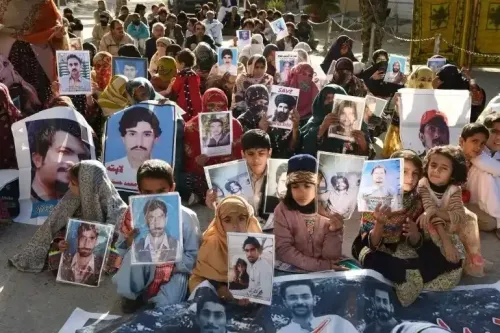
Protests continue despite decades of struggle against enforced disappearances.
The Commission of Inquiry into Enforced Disappearances has faced significant criticism.
Political dialogue is deemed essential for resolving the ongoing crisis.
Washington, Dec 3 (NationPress) The enduring insurgency in Pakistan's largest and resource-abundant province, Balochistan, is primarily driven by the aspirations of the Baloch people for enhanced political autonomy and resource control, amidst a backdrop of political marginalization, economic exploitation, and repression from the Pakistani government, as highlighted in a report released on Wednesday.
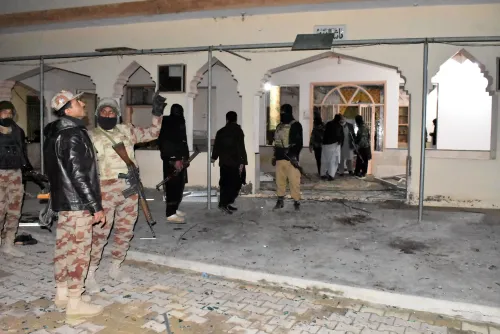
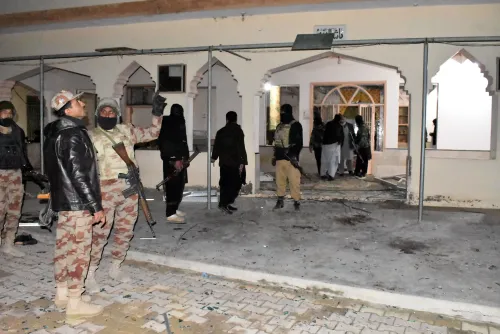
The report further notes that for many years, Pakistani agencies in Balochistan have faced accusations of severe human rights violations, including extrajudicial killings and the enforced disappearances of Baloch civilians.
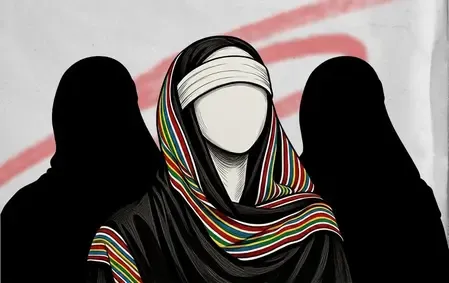
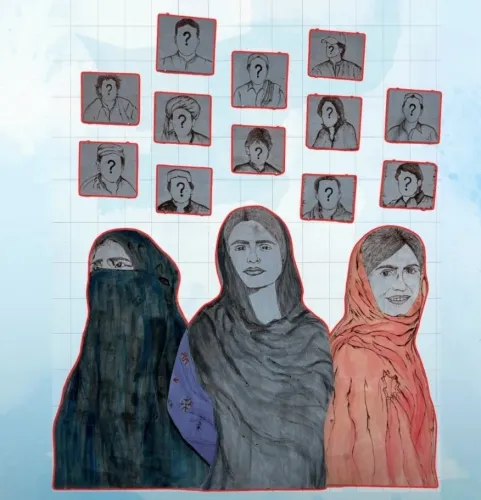
“Balochistan has been plagued by the nightmare of enforced disappearances. Activists claim that thousands of ethnic Baloch individuals have been vanished by Pakistan's security forces over the past two decades. These victims have been detained without proper legal procedures, or abducted, tortured, and even killed. While some do return after years, they bear deep psychological scars. Many, however, remain missing, and others are discovered in unmarked graves, their bodies so disfigured they cannot be identified,” detailed PJ Media.
At Quaid-i-Azam University (QAU) in Islamabad, students organized a protest and sit-in against the enforced disappearance of a sixth-semester student, Saeedullah Baloch, with a protest camp set up by the Baloch Students Council (BSC). Following these events, the QAU administration suspended all academic activities due to fears of a larger protest movement.
“Speakers at the camp emphasized that Saeedullah was forcibly taken by unidentified individuals in civilian clothes on July 8. This incident transpired at the Islamabad Toll Plaza as he and a companion were riding a public bus. The protestors claimed that the abductors were aided by law enforcement, who removed the two from the bus,” the report noted.
The Voice for Baloch Missing Persons (VBMP) stated that 16 years of protests, sit-ins, and rallies have not succeeded in halting enforced disappearances across Balochistan.
During a press conference on November 16, VBMP Chairman Nasrullah Baloch urged Pakistani authorities to understand that employing force, extrajudicial killings, and disappearances of Baloch citizens would not lead to stability in Balochistan.
“Thousands of Baloch individuals have been forcibly vanished, and thousands more have been killed extrajudicially, yet the situation is worsening. We implore the state to stop using force in Balochistan. This matter is political and must be resolved through political dialogue,” PJ Media quoted Nasrullah.
The Pakistani government established the Commission of Inquiry into Enforced Disappearances in 2011, tasked with “tracing the whereabouts of allegedly enforced disappeared persons” and “holding accountable those responsible.”
This commission has faced substantial criticism for its inadequacies, including its flawed definition of enforced disappearance, limited scope of inquiry, lack of adequate protections for victims and witnesses, and failure to deliver justice to perpetrators.
“No individual in Pakistan has been held accountable for enforced disappearances. There are no legal provisions for families to seek reparations for their suffering,” the report added.
Point of View
It is crucial to approach the Balochistan crisis with sensitivity and objectivity. The plight of the Baloch people highlights significant human rights concerns that require attention. It is essential to advocate for peaceful resolutions through dialogue, honoring the voices of those affected while ensuring the narrative remains balanced and factual.
NationPress
8 Oct 2026
Frequently Asked Questions
What is the main cause of the Balochistan insurgency?
The insurgency is driven by the Baloch people's demands for more political autonomy and control over their resources, amidst ongoing political marginalization and repression by the Pakistani government.
What are the human rights violations reported in Balochistan?
Serious human rights violations include extrajudicial killings and enforced disappearances of ethnic Baloch individuals by security forces.
What actions have been taken by the Pakistani government regarding enforced disappearances?
In 2011, the Pakistani government established the Commission of Inquiry into Enforced Disappearances to trace missing individuals and hold responsible parties accountable, but it has faced criticism for its effectiveness.
What is the role of the Voice for Baloch Missing Persons (VBMP)?
The VBMP advocates for the rights of Baloch families affected by enforced disappearances and organizes protests to raise awareness about the situation.
How can the situation in Balochistan be resolved?
Many experts believe that the issues in Balochistan are political in nature and should be addressed through dialogue and political solutions rather than military force.