Bangladesh's July Mass Uprising Museum Faces Recruitment Scandal
Synopsis
A recruitment scandal has surfaced regarding the July Mass Uprising Memorial Museum in Bangladesh, raising serious ethical questions about the governance and hiring processes involved in its establishment.
Key Takeaways
Recruitment scandal surrounding the July Mass Uprising Memorial Museum.
Former adviser Mostofa Sarwar Farooki's actions raise ethical concerns .
The recruitment process was allegedly rushed and irregular.
Conflict of interest due to Farooki's dual roles.
Calls for transparency in governance.
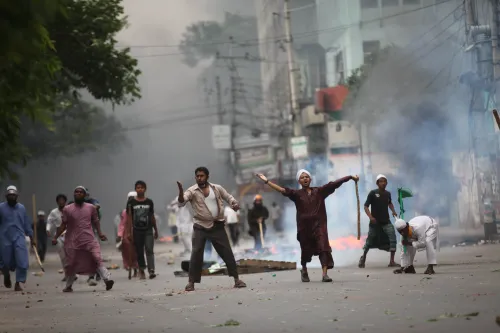
New Delhi, March 8 (NationPress) The July Mass Uprising Memorial Museum, intended to commemorate the mass uprising in Bangladesh from July 2024, is embroiled in a recruitment controversy, according to a news report highlighting several irregularities before the museum's establishment.
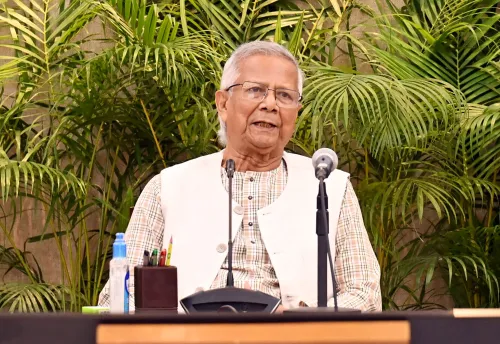
The issues relate to the recruitment processes for the museum's construction and suggest a potential conflict of interest involving former cultural affairs adviser, Mostofa Sarwar Farooki.
Findings from an investigation by the Times of Bangladesh indicate that Farooki appointed himself as the chairman of the museum’s governing board while still serving as a cultural affairs adviser in the interim government, raising significant ethical concerns.
The newspaper states that its findings are based on government documentation, purportedly revealing that rules were circumvented and the hiring process was expedited to favor certain individuals and agencies.
Initially, the museum was slated to be an extension of the Bangladesh National Museum; however, it was transformed into an independent entity under Farooki's influence during his advisory role.
According to the report, Section 8 of the ordinance mandates that the museum be governed by a 15-member board led by a distinguished expert from fields like education, history, literature, or culture. Nevertheless, a government gazette published on February 3—just before the national elections—revealed that Farooki himself was appointed as chairman.
This situation presents a conflict of interest, as Farooki was still serving in a ministerial capacity when the appointment was made.
Officials have pointed out that those responsible for the hiring process altered standards, relaxed educational qualifications, and modified other criteria.
A job advertisement issued on January 29, 2025, for 96 positions allowed applicants merely seven days to apply, with a deadline set for February 4. Typically, government recruitment guidelines provide at least 21 days for submissions, indicating that the recruitment procedure was hastily conducted while the adviser was still in office.
The Times report questions the composition of the recruitment selection committees, noting that under public administration rules, these committees are generally chaired by higher-ranking officials, such as deputy secretaries or joint secretaries. However, Farooki appointed less senior ministry officials, including senior assistant secretary Azam Uddin Talukder and assistant secretary Sekandar Ali Khan.
Point of View
The emergence of a recruitment scandal involving a significant cultural project like the July Mass Uprising Memorial Museum is alarming. It underscores the need for transparency and accountability in public service, especially when it involves influential figures. Upholding integrity in governance is paramount for the trust of the citizens.
NationPress
8 Oct 2026
Frequently Asked Questions
What is the July Mass Uprising Memorial Museum?
The July Mass Uprising Memorial Museum is planned to document the mass uprising in Bangladesh during July 2024.
What allegations are being made against Mostofa Sarwar Farooki?
He is accused of self-appointing as the chairman of the museum’s board while serving as a cultural affairs adviser, creating a conflict of interest.
What irregularities were reported in the recruitment process?
Reports indicate that recruitment rules were altered, and the application period was significantly shortened to favor certain candidates.
How does this scandal affect the museum's credibility?
The allegations undermine the museum's credibility and raise questions about governance and ethical practices in its establishment.
What steps are being taken to address these issues?
Investigations are ongoing, and there are calls for greater transparency and adherence to ethical standards in public service.