Is Bangladesh's Reform Referendum on the Verge of Approval, Threatening the 1972 Constitution?
Synopsis
Bangladesh is on the brink of a significant constitutional reform that could reshape its political landscape. Following a decisive election victory by the BNP, citizens face a referendum that may threaten the foundational 1972 Constitution. As the nation votes, concerns grow over the implications of these reforms on democracy and governance.
Key Takeaways
BNP's electoral victory marks a significant political shift.
Proposed reforms could establish a bicameral Parliament.
Concerns arise over the potential overturning of the 1972 Constitution .
Public support for the reforms may lead to mandatory implementation.
The historical context of referendums in Bangladesh is crucial to understanding current events.
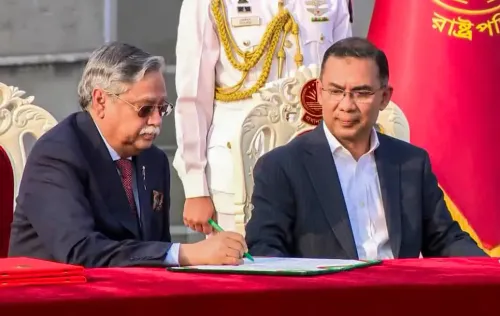
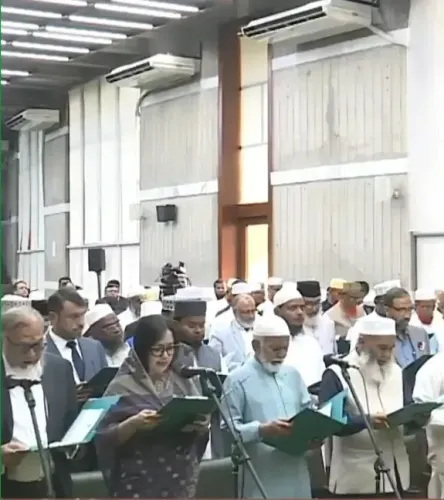
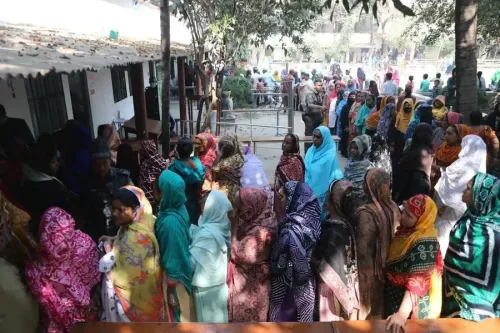
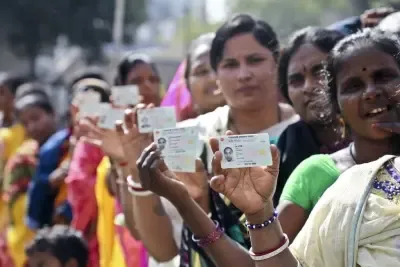
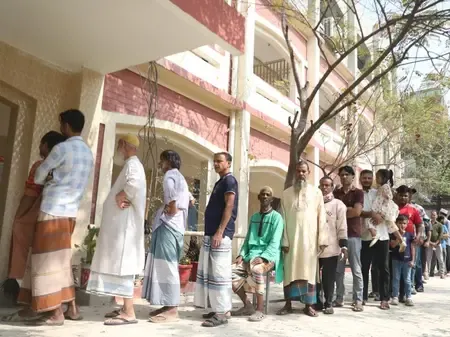
New Delhi, Feb 13 (NationPress) The Bangladesh Nationalist Party (BNP) has achieved a resounding victory in the elections. On February 12, the nation participated in voting for the first time since the uprising that resulted in the removal of Sheikh Hasina. Concurrently, citizens were presented with a decision on a constitutional reform initiative under the “July National Charter” (Constitutional Amendment) Implementation Order 2025.
Local media have reported that a significant majority of those who cast their votes supported the reform initiative. One report indicated that 73 percent of the votes counted favored the referendum. However, an official announcement regarding the referendum results has yet to be released.
At present, the nation operates under a parliamentary system. Should the referendum receive approval, a new legislative body known as the Upper House would be established, consisting of 100 seats allocated based on party vote shares during general elections. This change would necessitate that constitutional amendments obtain approval from both Houses, requiring a two-thirds majority in the lower house and a simple majority in the Upper House.
Moreover, the impeachment of the President would require a two-thirds majority in both legislative chambers. Following these changes, it would become mandatory for the deputy speaker of the lower house to be from the opposition party, and reserved seats for women would gradually expand to 100. Any significant international treaty pertaining to national security would also require approval from both Houses.
The reform package aims to reinstate the caretaker government system, which had previously been eliminated. The establishment of such a government would depend on the consensus among the ruling party, the opposition, and the second opposition party.
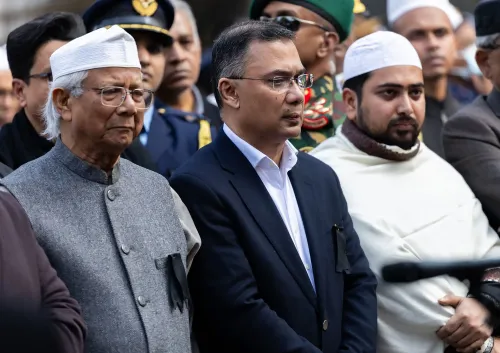
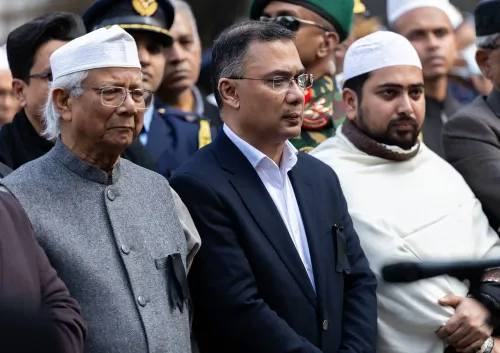
While Muhammad Yunus, who leads the interim government, has described the reform as revolutionary, skepticism remains prevalent.
Numerous proposals within the reform could potentially overturn fundamental constitutional principles.
Experts suggest that the referendum represents an effort to amend the Constitution, thereby ending a continuity that has persisted for nearly 55 years. Additionally, there is no provision for a plebiscite, even if the government secured the President's signature on the matter.
Media reports indicate that a majority of the populace has endorsed the implementation of this reform, obligating the government to proceed.
The implementation would result in the formation of a bicameral Parliament. Experts are questioning this move, as the Constitution currently does not permit it, leading to potential legal challenges that may prolong the resolution in court.
Since its inception in 1971, Bangladesh has undergone three referendums—1977, 1985, and 1991.
Both the 1977 and 1985 referendums were conducted under military governance, while the 1991 referendum was aimed at creating provisions for a caretaker government to oversee the conduct of national elections.
All three past referendums received overwhelming support, ranging from 84.38 to 98.88 percent.
The initial two referendums inquired whether the public had confidence in the sitting president and his policies, while the third sought approval for transitioning from a presidential system back to parliamentary democracy.
Experts argue that a closer examination of the reform reveals attempts to dismantle the 1972 Constitution of Bangladesh. Should this reform be enacted, it could pose a threat to the very foundation of the nation.
Yunus has fervently advocated for the reform, which also acknowledges the interim government he leads. He is striving to solidify his legacy, which has been tainted by violence. In a nationwide address on February 9, Yunus urged a “Yes” vote for the proposed package. He asserted that a victory for the “Yes” vote in the referendum would pave the way for a brighter future for Bangladesh, framing the referendum as a step toward a civilized society from chaos.
Point of View
We must approach the unfolding situation in Bangladesh with diligence and impartiality. The proposed constitutional reforms bring forth a myriad of implications for the nation's democratic fabric. Our commitment is to provide thorough analysis and insights as this significant development progresses, ensuring that the voices of the people are heard and respected.
NationPress
2 Oct 2026
Frequently Asked Questions
What is the significance of the referendum in Bangladesh?
The referendum is crucial as it seeks to approve a constitutional reform package that may reshape the political structure of Bangladesh.
What changes could the referendum bring?
If approved, the referendum would establish a bicameral Parliament and reinstate the caretaker government system, among other reforms.
Why are experts concerned about the reforms?
Experts express concerns that the reforms may undermine the principles of the 1972 Constitution and threaten the foundation of the nation.
What historical context is relevant to this referendum?
Bangladesh has a history of referendums, with previous ones taking place under different political circumstances, including military rule.
How have the past referendums been received by the public?
Past referendums in Bangladesh received overwhelming support, ranging from 84.38 to 98.88 percent approval.