Bomb Threat Investigations in Bengal Reveal Use of VPNs and Foreign Servers; Email Racket Under Investigation
Synopsis
A police investigation in West Bengal has uncovered that bomb threats targeting courts and post offices utilized VPNs and foreign servers. The mastermind remains at large as authorities search for answers.
Key Takeaways
VPNs and foreign servers were used to carry out bomb threats.
The investigation is ongoing with the mastermind still at large.
Authorities are collaborating across states to track the culprits.
Hoax bomb threats have become more prevalent in recent months.
Email IDs linked to the crimes may have been part of an organized racket.
Kolkata, March 11 (NationPress) A comprehensive police inquiry into a series of bomb threats targeting various locations such as courts, post offices, and passport offices throughout West Bengal has uncovered that the culprits employed Virtual Private Networks (VPNs) and foreign servers to hide their identities.
On Wednesday, investigators reported that the digital footprints linked to these hoax threats trace back to servers located outside of India.
A senior official from the West Bengal Police indicated that the individual orchestrating this wave of panic is still at large, and efforts are ongoing to apprehend those responsible for these incidents.
Recently, multiple bomb scare emails incited fear in various regions of the state, including Kolkata. These threatening messages were reported from different locations on separate days, with the latest occurrence happening last Tuesday at the Regent Park Post Office in the Golf Green area of south Kolkata.
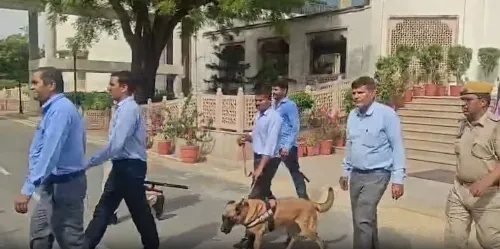
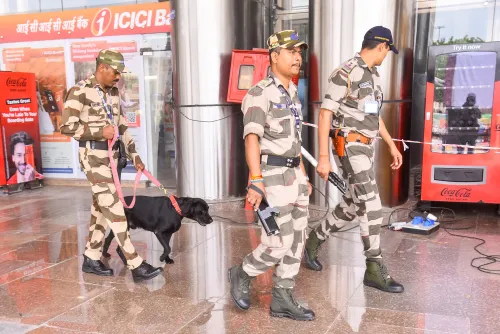
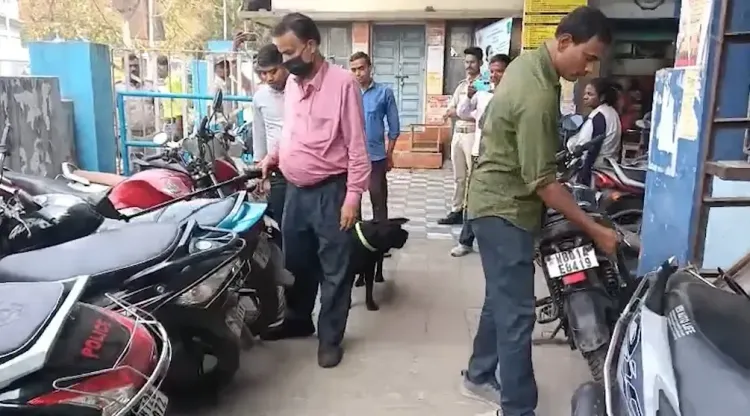
In response to the bomb threat at the post office, police and a bomb disposal team promptly arrived at the scene. The area was evacuated and thoroughly searched for several hours; however, no suspicious items were found. Investigators remain vigilant, aware that additional threats could emerge.
Earlier, judges from several courts in Kolkata and other districts had also received similar threat emails. The investigation is being conducted collaboratively by the West Bengal Police and the Special Task Force of the Kolkata Police.
Authorities reported that such hoax bomb threats have emerged in various regions across the country in recent months. Law enforcement agencies from different states are sharing intelligence to track down the individuals behind these threats. Recently, the Gujarat Police acted on a lead and arrested a young man in relation to these incidents, bringing him to West Bengal.
Officials noted that while the arrested individual did not send the threat emails, his email ID was used in the operation.
Investigators revealed that email addresses utilized in these cybercrimes are frequently bought and sold online, often without the original owner's awareness, indicating the existence of a sophisticated racket. The inquiry has also suggested that the detained youth may be involved in such activities.
The investigation confirmed that VPN services were indeed used to obscure the sender's location.
Frequently Asked Questions
What locations were targeted by the bomb threats?
The bomb threats targeted various locations including courts, post offices, and passport offices across West Bengal.
How did the perpetrators conceal their identities?
The perpetrators used Virtual Private Networks (VPNs) and foreign servers to hide their identities.
What steps have authorities taken in response to the threats?
Authorities have evacuated affected locations, conducted thorough searches, and are collaborating across states to track down the individuals behind the threats.
Were any suspicious items found during the searches?
No suspicious items were found during the extensive searches conducted at the affected locations.
What has been discovered about the email IDs used in the threats?
Investigators found that the email IDs used in the threats are often bought and sold online, sometimes without the original owner's knowledge, indicating an organized racket.