Diamond Harbour Voter Intimidation: FIR Filed After Bikers Issue Post-Poll Threats
Synopsis
Bikers openly threatened voters in Diamond Harbour — Abhishek Banerjee's Lok Sabha constituency — warning of post-May 4 'action.' The Election Commission ordered an FIR within hours, days after suspending five local police officers for bias. It exposes a troubling pattern of pre-emptive voter intimidation replacing overt booth violence in Bengal.
Key Takeaways
FIR filed at Diamond Harbour Police Station on Sunday, April 26 , on ECI's direct orders after bikers threatened voters in the Kakdwip area .
Miscreants allegedly warned voters of "action" after May 4 — the scheduled vote counting date — constituting a direct threat to electoral participation.
Charges in the FIR include intimidation, criminal threats, breach of peace, and obstruction of government work .
Just two days earlier, the ECI suspended five Diamond Harbour police officers — including the Additional SP and SDPO — for violating the code of conduct and failing to maintain impartiality.
Diamond Harbour is the Lok Sabha seat of TMC General Secretary Abhishek Banerjee and comprises seven Assembly segments .
The first phase of Bengal polls on April 23 was largely peaceful; the ECI is working to ensure the second phase is equally incident-free.
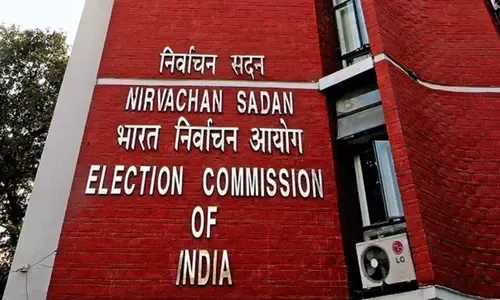
An FIR has been registered at Diamond Harbour Police Station in West Bengal's South 24 Parganas district after a motorcycle procession was used to openly intimidate voters with threatening slogans, acting on direct orders from the Election Commission of India (ECI) on Sunday, April 26. The case marks a serious escalation in poll-related violence concerns ahead of the second phase of West Bengal local body elections, with miscreants allegedly warning voters that "action" would be taken against them after May 4 — the date of vote counting.
What Happened in Diamond Harbour
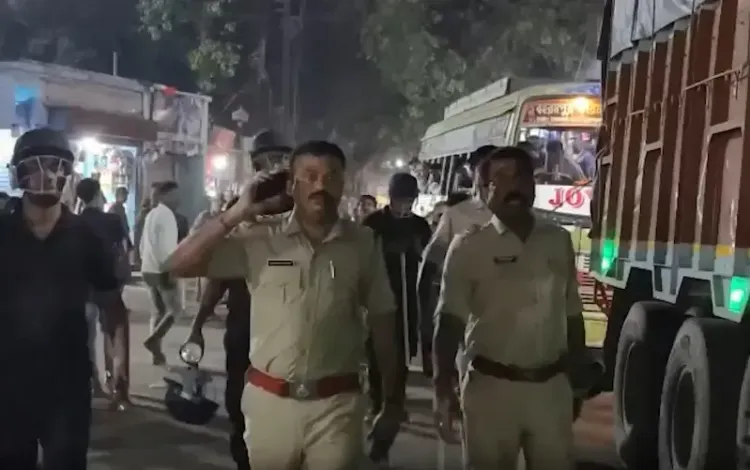
The Election Commission of India received a formal complaint alleging that voters in the Kakdwip area of Diamond Harbour constituency were being systematically intimidated by a group of individuals riding motorcycles in a procession. The bikers reportedly raised threatening slogans targeting voters in full public view, creating an atmosphere of fear in the run-up to the second phase of polling.
The most alarming element of the complaint was the alleged open warning issued by the miscreants — that voters would face "action" after May 4, the day votes are scheduled to be counted. Election law experts note that such explicit post-poll threats are designed to suppress participation among opposition-leaning voters and constitute a direct assault on the democratic process.
Within hours of the complaint being received, the ECI directed the local election officer and police to take immediate action — with a deadline set for Sunday evening. Authorities complied swiftly, registering a case on multiple charges including intimidation, criminal threats, attempt to breach public peace, and obstruction of government work.
ECI's Strong Prior Action in Diamond Harbour
This incident does not exist in isolation. Just two days earlier, on Friday, April 25, the Election Commission suspended five police officers in Diamond Harbour, including the Additional Superintendent of Police and the Sub-Divisional Police Officer (SDPO). The suspension was ordered for what the Commission described as "serious violations of the code of conduct and failure to maintain impartiality."
The West Bengal Chief Secretary was formally notified of the suspensions, signalling the ECI's intent to hold the state's law enforcement apparatus directly accountable. Critics have long argued that police in politically sensitive constituencies in Bengal tend to align with the ruling party — a charge the Trinamool Congress (TMC) government has consistently denied.
It is notable that Diamond Harbour is the Lok Sabha constituency of Trinamool Congress General Secretary Abhishek Banerjee, widely regarded as the second most powerful figure in the TMC after Chief Minister Mamata Banerjee. The constituency comprises seven Assembly segments, making it a politically high-stakes zone.
Pattern of Political Violence in Bengal Elections
West Bengal has a documented history of poll-related violence and voter intimidation. Human rights organisations and opposition parties — including the BJP and CPI(M) — have repeatedly flagged incidents of booth capturing, threats against voters, and attacks on poll workers across multiple election cycles.
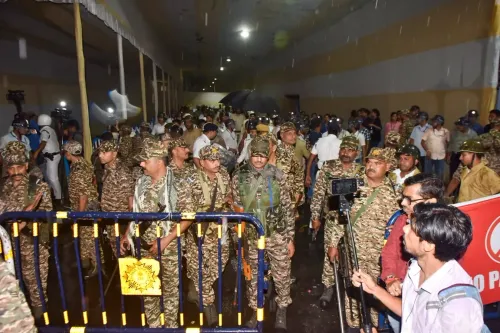
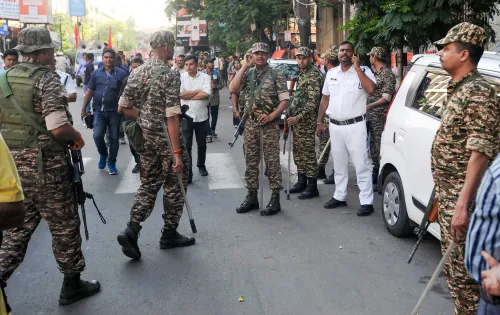
The first phase of voting on April 23 was largely peaceful, according to ECI officials, who credited increased central force deployment for the relative calm. However, the Diamond Harbour incident suggests that intimidation tactics have shifted — from overt booth-level violence to pre-emptive psychological pressure on voters before they even reach polling stations.
This pattern — threatening voters with post-election consequences — is particularly insidious because it is harder to capture on camera and more difficult to prosecute than direct physical violence. Legal analysts point out that while the FIR has been filed, securing convictions in such cases historically remains challenging in politically charged environments.
What the Election Commission Is Doing
The ECI has deployed a multi-pronged strategy for the second phase of polling, including increased central paramilitary force deployment, real-time monitoring of sensitive booths, and a dedicated complaint redressal mechanism. The Commission has made clear that it expects the second phase to be conducted without any unrest.
The swift filing of the FIR — within hours of the complaint — reflects the ECI's attempt to demonstrate zero tolerance for intimidation. However, the Commission's credibility will ultimately be tested by whether the accused are actually arrested and prosecuted before polling day, or whether the FIR becomes a procedural formality with no real deterrent effect.
What Comes Next
With vote counting scheduled for May 4, the coming days will be critical. The ECI has set a high bar with its decisive action — suspending senior police officers and ordering FIRs within hours — and any further incidents of voter intimidation will put that credibility under severe pressure. Opposition parties are expected to closely monitor ground conditions and file additional complaints if threats continue.
The broader implication of this incident extends beyond one constituency: it raises fundamental questions about whether free and fair elections are possible in politically polarised states when law enforcement itself is suspected of partisan alignment. The ECI's intervention in Diamond Harbour may set a precedent for how future election-related intimidation cases are handled across India.
Point of View
But suspending officers and filing FIRs mean little if no arrests follow before polling day. More significantly, the shift from overt booth violence to pre-emptive psychological threats — warning voters of post-election consequences — represents a sophisticated evolution in electoral coercion that India's election machinery is not yet fully equipped to counter. The real test of democratic health in Bengal will be whether a voter in Kakdwip feels safe enough to choose freely on polling day.
NationPress
22 Sept 2026
Frequently Asked Questions
Why was an FIR filed in Diamond Harbour during Bengal elections?
An FIR was filed at Diamond Harbour Police Station after a motorcycle procession was used to threaten voters in the Kakdwip area, with bikers allegedly warning residents of 'action' after May 4. The Election Commission of India ordered the FIR on Sunday, April 26, on charges including intimidation and obstruction of government work.
What action did the Election Commission take in Diamond Harbour?
The ECI ordered local police to file an FIR against the miscreants within hours of receiving the complaint. Earlier, on April 25, the Commission had also suspended five police officers in Diamond Harbour — including the Additional SP and SDPO — for serious violations of the code of conduct.
Who is the MP from Diamond Harbour constituency?
Diamond Harbour is the Lok Sabha constituency of Trinamool Congress General Secretary Abhishek Banerjee, widely considered the second most influential leader in the TMC. The constituency consists of seven Assembly segments.
What charges were included in the Diamond Harbour voter intimidation FIR?
The FIR was registered on multiple charges including criminal intimidation, threats, attempt to breach public peace, and obstruction of government work. The complaint alleged that bikers openly warned voters they would face consequences after May 4, the vote counting date.
Was the first phase of West Bengal elections peaceful?
Yes, the first phase of voting held on April 23 was largely peaceful, according to Election Commission officials. The ECI is now focused on ensuring the second phase is equally free from violence and voter intimidation.