ECI Warns Bengal Police: Zero Tolerance for Voter Intimidation Before April 29 Polls
Synopsis
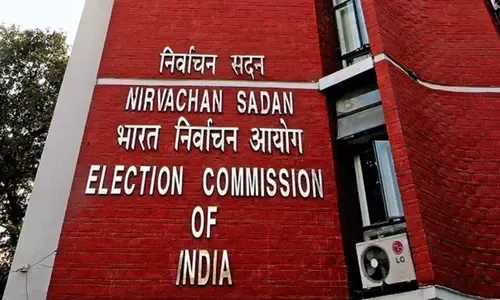
The Election Commission of India has put Kolkata and South 24 Parganas police on notice — promising 'unprecedented disciplinary consequences' for any officer negligent in handling voter intimidation or explosive use before West Bengal's April 29 Phase 2 elections. The Alipore Police Station, covering CM Mamata Banerjee's residence, saw its top officers replaced.
Key Takeaways
The Election Commission of India (ECI) on April 26 warned Kolkata Police and South 24 Parganas District Police of strict disciplinary action for negligence ahead of April 29 Phase 2 polls .
Special Poll Observer Subrata Gupta led the ECI delegation at the high-level coordination meeting held in Kolkata .
The Commission replaced OCs of three police stations and one additional OC, including both top officers at Alipore Police Station — the precinct covering CM Mamata Banerjee's official residence .
Five police officers , including one Additional Superintendent of Police from Diamond Harbour Police District , were suspended and face departmental proceedings.
Individual OCs and ICs have been made personally accountable for any use of explosives or voter intimidation within their jurisdictions on or before polling day.
West Bengal's South 24 Parganas district has a documented history of poll-related violence, making these enforcement actions particularly significant for free and fair elections.
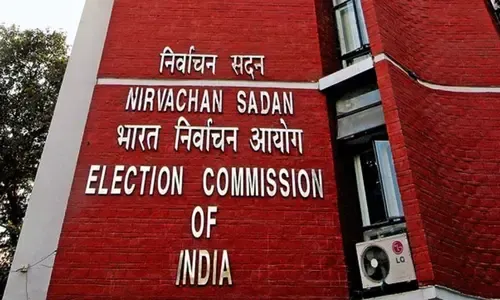
The Election Commission of India (ECI) on Sunday, April 26, issued a stern warning to the Kolkata Police and South 24 Parganas District Police, threatening unprecedented disciplinary action against officers found negligent in preventing voter intimidation or the use of explosives to terrorise voters ahead of West Bengal's second phase elections on April 29. The warning signals the Commission's resolve to ensure free and fair polling in one of India's most politically volatile states.
High-Stakes Coordination Meeting in Kolkata
The warning was delivered during a high-level coordination meeting held in Kolkata, attended by police personnel at multiple ranks from both Kolkata Police and the South 24 Parganas district. The ECI team was led by Subrata Gupta, the Commission-appointed Special Poll Observer for West Bengal, underscoring the gravity of the situation.
The Commission made it explicitly clear that Officers-In-Charge (OCs) and Inspectors-In-Charge (ICs) of police stations would be held personally accountable for any incidents of explosive use or voter coercion within their jurisdictions — both on and before the polling day.
What the Election Commission Said
An insider from the office of the West Bengal Chief Electoral Officer (CEO) revealed the Commission's unambiguous stance: "Any event of use of explosives within their area or any event of voters' intimidation should be handled by them strongly. In case of negligence in such matters, the concerned OC or IC will have to face unprecedented disciplinary consequences. No one will be spared."
The OCs and ICs were also directed to take immediate and decisive action the moment any such incident is reported, leaving no room for delay or inaction. This marks a significant escalation in the ECI's enforcement posture compared to previous election cycles in the state.
Police Reshuffles and Suspensions Signal Serious Intent
The ECI's warning was backed by swift administrative action. On Saturday night, the Commission ordered the replacement of OCs of three police stations and one additional OC on charges of dereliction of duty. Notably, one of the affected stations was the Alipore Police Station — whose jurisdiction covers the official residence of Chief Minister Mamata Banerjee — where both the OC and additional OC were replaced simultaneously.
Additionally, the ECI ordered the suspension of five police officers, including one Additional Superintendent of Police, under the Diamond Harbour Police District in South 24 Parganas, and initiated formal departmental proceedings against them. These actions collectively represent one of the most aggressive pre-poll enforcement drives seen in recent West Bengal election history.
Why This Matters: West Bengal's History of Poll Violence
West Bengal has a long and troubled history of election-related violence. The use of crude bombs and voter intimidation has been documented across multiple election cycles, with South 24 Parganas frequently emerging as a flashpoint. This comes amid heightened scrutiny of law enforcement agencies in the state, with opposition parties repeatedly alleging that local police act as instruments of the ruling party rather than neutral enforcers of election law.
The ECI's decision to personally fix accountability on individual OCs and ICs — rather than issuing blanket warnings to senior leadership — is a deliberate strategy to break the culture of impunity at the ground level. Critics argue that in past elections, mid-level officers often escaped consequences even when violence occurred in their jurisdictions.
What to Watch Next
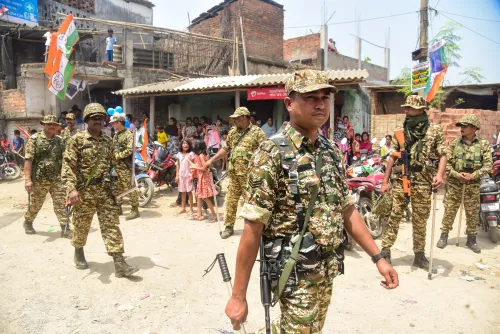
With April 29 polling day fast approaching, all eyes will be on ground-level compliance and whether the reshuffled officers can establish visible deterrence. The Election Commission is expected to deploy central forces in sensitive booths across South 24 Parganas and parts of Kolkata. Any incident of poll violence on voting day will be a direct test of the Commission's enforcement credibility — and could trigger further punitive action against the state police machinery.
Point of View
The very precinct guarding the Chief Minister's home, is a pointed political signal: no jurisdiction is untouchable. What's often missed in mainstream coverage is that these enforcement actions are as much about optics as operations — the Commission is building a paper trail that could justify Central intervention if violence erupts on April 29. For voters in South 24 Parganas, the real test isn't the warnings issued in Kolkata's conference rooms, but whether a reshuffled officer at a remote booth will actually act when a local strongman shows up.
NationPress
30 Sept 2026
Frequently Asked Questions
What action did the Election Commission take against Bengal police before April 29 polls?
The ECI warned Kolkata Police and South 24 Parganas District Police of strict disciplinary action for negligence in handling voter intimidation or explosive incidents. It also replaced OCs of three police stations and suspended five officers, including an Additional SP, in Diamond Harbour.
Who is the special poll observer for West Bengal appointed by ECI?
Subrata Gupta has been appointed as the Commission's Special Poll Observer for West Bengal. He led the ECI team at the coordination meeting with Kolkata Police and South 24 Parganas District Police on April 26.
Why was the Alipore Police Station OC replaced before Bengal elections?
The OC and additional OC of Alipore Police Station were replaced on charges of dereliction of duty. Alipore Police Station is significant because its jurisdiction includes the official residence of West Bengal Chief Minister Mamata Banerjee.
When is West Bengal Phase 2 election scheduled?
West Bengal's second phase of elections is scheduled for April 29. Kolkata and parts of South 24 Parganas district are among the constituencies going to the polls in this phase.
What are the consequences for police officers negligent during Bengal polls?
Officers-In-Charge and Inspectors-In-Charge of police stations have been made personally accountable for voter intimidation or explosive incidents in their areas. The ECI has warned of 'unprecedented disciplinary consequences' and no officer will be spared for proven negligence.