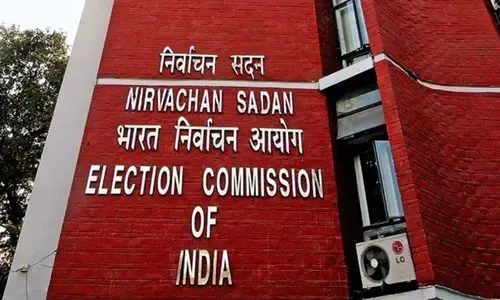
West Bengal Assembly Elections: ECI Implements Surveillance on Electoral Officers
Synopsis
The Election Commission of India has mandated rigorous surveillance on electoral officers for the upcoming West Bengal Assembly elections, aiming to ensure a violence-free polling process. With two layers of oversight, the initiative promises to uphold electoral integrity.
Key Takeaways
Multi-layered surveillance for electoral officers is being implemented.
The objective is to ensure peaceful and violence-free elections .
Control rooms will oversee polling activities at district and booth levels.
CAPF movements will be managed by ECI-nominated police observers.
Two phases of elections are scheduled: April 23 and April 29.
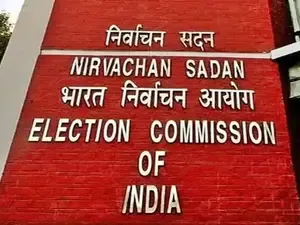
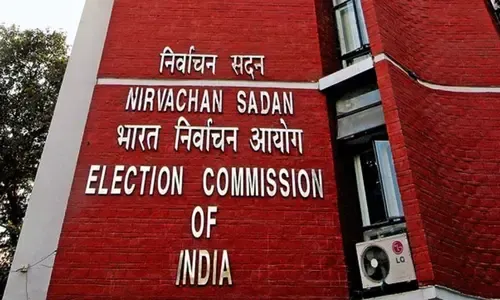
Kolkata, March 17 (NationPress) The responsibilities of electoral officers across all tiers will be subject to multi-layered surveillance during the polling days for the upcoming two-phase West Bengal Assembly elections scheduled for next month.
“The Chief Election Commissioner, Gyanesh Kumar, during a press brief on Sunday, affirmed that the elections in West Bengal would be free from violence and conducted peacefully. To achieve this goal, the ECI has opted for continuous and layered surveillance of electoral officers at every level, particularly on the polling days of April 23 and April 29,” revealed a source from the Chief Electoral Officer (CEO) office in West Bengal.
The CEO’s office stated that the surveillance will commence with a control-room-based system featuring two levels.
A control room will be established at the District Magistrate (DM) office, who also serves as the District Electoral Officer (DEO), in every district. This center will oversee the polling booth and station levels to ensure that returning and polling officers adhere to ECI guidelines.
The second level will consist of an integrated control room situated at the CEO’s office in Kolkata, where it will be monitored whether the electoral officers from the DEOs promptly address complaints from the public and political parties regarding polling practices at various levels.
On the two polling days, a parallel surveillance system will remain operational. “Observers assigned to each of the 294 Assembly constituencies will continuously oversee the polling process at the booths and stations, while two district-specific central observers will maintain overall surveillance from the control room at the respective DEO's office,” disclosed insiders from the CEO’s office.
In this secondary line of oversight, the highest level of monitoring will be executed by central observers appointed by the ECI and their teams.
“Regarding the movement of security personnel, both Central Armed Police Forces (CAPF) and state forces, the process will be managed at the district level by composite teams, to assess the specific CAPF deployment needs, and the decisions made by police observers will be final,” added the CEO’s office source.
To ensure optimal deployment of central security forces for the upcoming Assembly elections, the Election Commission of India (ECI) has decided to withdraw the district administration's authority to dictate CAPF movement, which will remain in effect from the enforcement of the model code of conduct until its conclusion.
Previously, District Magistrates, including District Electoral Officers, had the power to determine the movement of CAPF before, during, or after the elections while the model code was active.
This time, however, the ECI has decided that the designated police observers for the elections will manage the CAPF movements in their respective districts. This directive was communicated to the CEO’s office during the ECI's recent two-day review visit, according to a source from the CEO’s office.
During the first phase of voting on April 23, elections will be held for 152 Assembly constituencies, while the second phase on April 29 will cover 142 constituencies. As per current ECI estimates, a minimum of 2,300 companies of CAPF are set to be deployed for each phase.
Point of View
The upcoming West Bengal Assembly elections are pivotal for maintaining democratic integrity. The Election Commission's proactive measures reflect a commitment to ensuring fair practices and minimizing electoral misconduct. This layered surveillance approach is a significant step towards restoring voter confidence.
NationPress
5 Oct 2026
Frequently Asked Questions
What is the purpose of the surveillance on electoral officers?
The surveillance aims to ensure that electoral officers adhere to ECI guidelines and maintain a peaceful voting environment during the elections.
When will the West Bengal Assembly elections take place?
The elections are scheduled to occur in two phases on April 23 and April 29.
Who will oversee the electoral officers during the elections?
Both district-specific observers and central observers appointed by the ECI will supervise the electoral officers.
What changes have been made regarding CAPF movement during elections?
The ECI has removed the district administration's authority to determine CAPF movements, which will now be managed by nominated police observers.
How many constituencies will vote in each phase?
In the first phase, 152 constituencies will vote, while 142 will vote in the second phase.