Did Hanuman Beniwal Champion Workers' Rights in Lok Sabha with Call for 80% Local Employment?
Synopsis
In a compelling address in the Lok Sabha, Hanuman Beniwal raised urgent concerns about workers' rights and pushed for a bold policy to ensure 80% local employment in industries. His remarks highlight the need for protecting laborers amid legislative changes, making this a significant moment for labor rights in India.
Key Takeaways
Hanuman Beniwal emphasizes the need for strong workers' rights .
Calls for 80% local employment in industries.
Critiques the Industrial Relations Code amendments for potential negative impacts on labor.
Highlights constitutional rights regarding equality and trade unions.
Stresses the importance of effective labor law implementation .
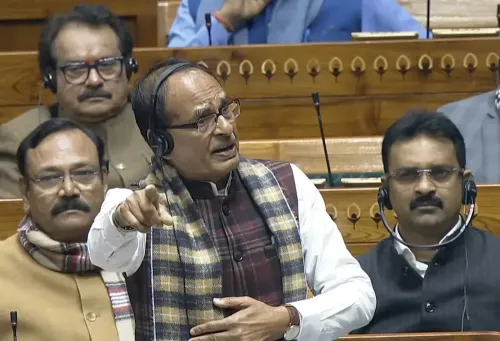
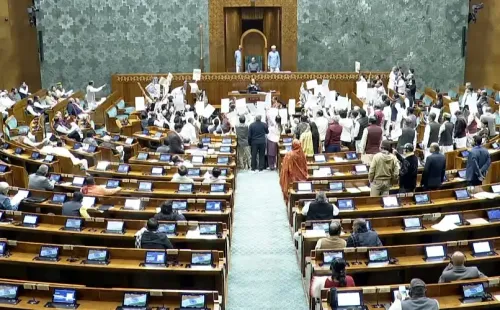
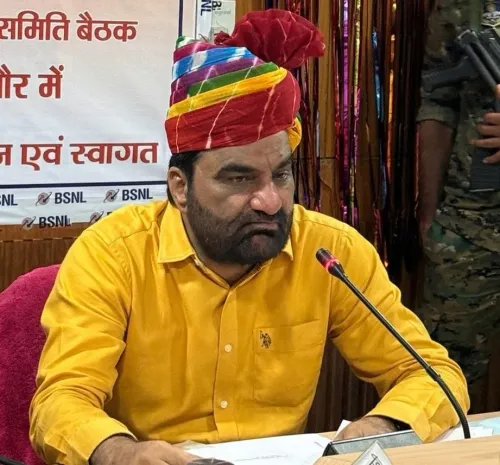
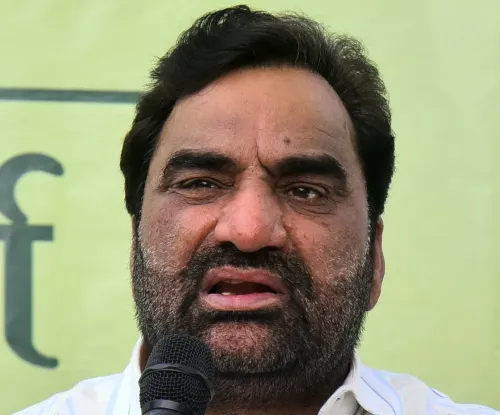
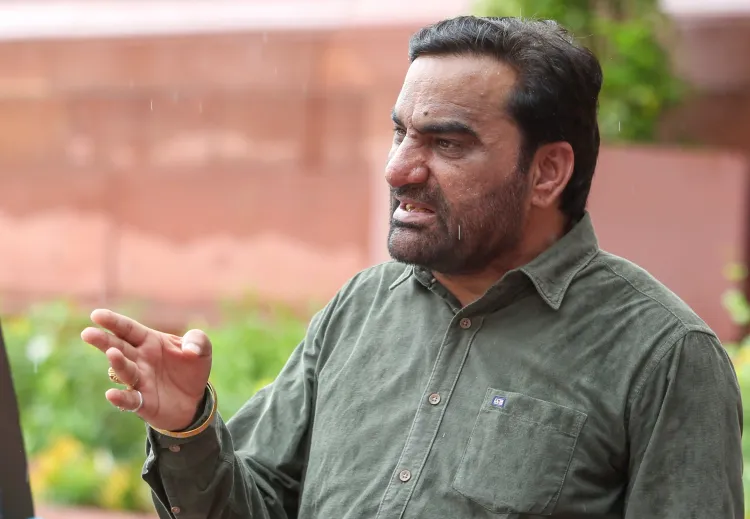
Jaipur, Feb 12 (NationPress) Nagaur MP and the National President of the Rashtriya Loktantrik Party (RLP), Hanuman Beniwal, expressed significant concerns regarding workers' rights in the Lok Sabha while discussing the Industrial Relations Code (Amendment) Bill, 2026. He advocated for a policy that mandates 80% local employment within various industries.
During the debate, Beniwal underscored various issues pertaining to the rights and security of workers, including factory employees, contract labourers, gig workers, and other contractual personnel.
While addressing the House, he stated that the proposed legislation, which is presented as a series of technical amendments aimed at providing clarity, would ultimately undermine the rights of workers.
“The government argues this Bill is intended to offer clarity, but in actuality, it will favor industrialists while leaving workers insecure. If the Bill were genuinely advantageous, trade unions across the country would not oppose it,” he stated.
In his opposition to the Bill, Beniwal contended that specific provisions infringe upon Articles 14, 19(1)(c), and 21 of the Constitution. He emphasized that the rights to equality, to form trade unions, and to strike are fundamental rights, and excessive restrictions, mandatory notice periods, and punitive clauses would make these rights ineffective.
Quoting Article 21, he noted that the Supreme Court has consistently affirmed that the right to live encompasses the right to live with dignity. He argued that job insecurity, arbitrary layoffs, and delays in dispute resolution compromise that dignity.
Moreover, he accused the government of overlooking the Directive Principles of State Policy, including Articles 38, 39, and 43A, which pertain to social and economic justice, safeguarding livelihoods, and encouraging worker participation in management.
“These provisions are not merely ornamental; they are essential to governance,” Beniwal asserted.
The MP referenced examples from Rajasthan’s industrial landscape, including cement factories and refineries, where he claimed instances of worker fatalities and neglect toward labor welfare have occurred. He also pointed out issues of corruption within certain Labour Department offices and demanded robust implementation of labor laws, social security initiatives, and the state's silicosis policy.
Clarifying his stance, Beniwal remarked: “We are not against industrial growth, investment, or reform. However, we cannot endorse anti-labour legislation. It is the duty of this House to defend the rights of laborers, employees, and gig workers who form the backbone of India’s economy. Development is meaningful only when it is equitable and inclusive.”
He urged that the Bill should progress only after broad consultations with trade unions, industry representatives, and state governments. He also called for balanced measures concerning strikes and collective bargaining, timely establishment of industrial tribunals, and a policy ensuring 80% employment for local residents in sectors like cement and refineries.
Beniwal additionally advocated for the approval of a pending proposal to set up an Employees’ State Insurance Corporation (ESIC) dispensary with three doctors in Nagaur and sought clarity on the future and regularization of contract workers.
Point of View
The concerns raised by Hanuman Beniwal resonate deeply with ongoing debates about labor rights and employment policies in India. His call for local employment and protection of workers' rights reflects a significant demand for inclusivity in economic growth. This issue merits attention as it could shape the future landscape of labor relations in the country.
NationPress
24 Sept 2026
Frequently Asked Questions
What did Hanuman Beniwal advocate for in the Lok Sabha?
Hanuman Beniwal advocated for the protection of workers' rights and called for a policy ensuring 80% local employment in industries during discussions on the Industrial Relations Code (Amendment) Bill, 2026.
Why did Beniwal oppose the Industrial Relations Code Amendment Bill?
Beniwal opposed the Bill, claiming it would weaken workers' rights and infringe upon constitutional provisions related to equality, trade union formation, and the right to strike.
What examples did Beniwal provide regarding labor welfare issues?
Beniwal cited instances from Rajasthan's industrial sector, including reports of worker deaths and negligence in labor welfare, particularly in cement factories and refineries.
What does Beniwal believe about the government's approach to labor laws?
Beniwal believes the government is neglecting the Directive Principles of State Policy and that labor laws must be effectively implemented to protect workers' rights.
What are the implications of Beniwal's call for local employment?
Beniwal's push for 80% local employment aims to secure more job opportunities for local residents and ensure that industrial growth benefits the local workforce.