Why Are Major Trade Bodies Rejecting the Nationwide Protest?
Synopsis
In a striking move, multiple labor organizations have distanced themselves from a nationwide strike call, labeling it politically motivated. This article explores the reactions from significant trade bodies and their stance on the ongoing labor issues, shedding light on the implications for workers across India.
Key Takeaways
Major labor organizations reject the nationwide strike .
Political motivations questioned .
Importance of dialogue over confrontation emphasized .
Pro-worker reforms highlighted by labor leaders .
Need for collaboration within the labor community stressed .
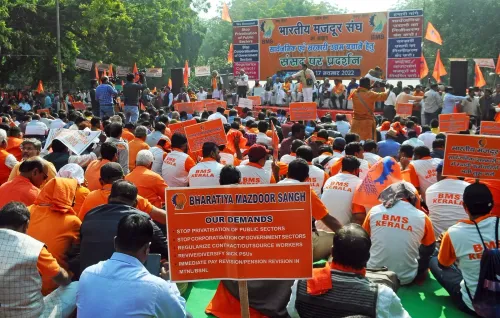
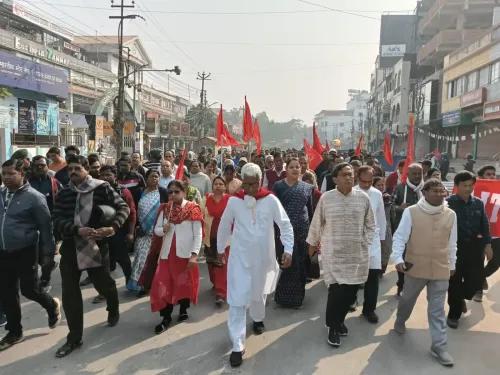
New Delhi, Feb 12 (NationPress) A number of labor groups from various states have distanced themselves from the national strike called by certain trade unions, labeling it as “politically motivated” and claiming it does not represent the wider interests of workers.
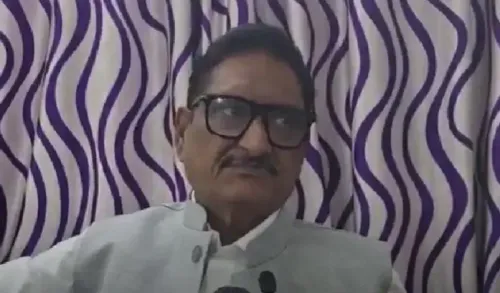
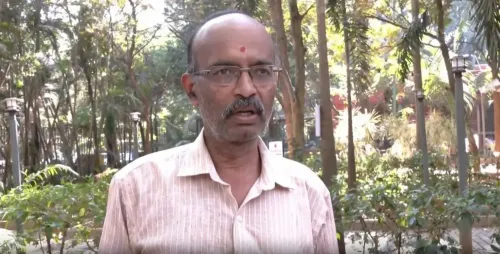
Rakesh Mani Pandey, the National Secretary of the Hind Mazdoor Kisan Panchayat (Uttar Pradesh), stated that his organization, along with 18 other prominent bodies, including the Bharatiya Mazdoor Sangh, will not support the strike.
"Firstly, let me clarify that the Hind Mazdoor Kisan Panchayat and 18 leading organizations, such as the Bharatiya Mazdoor Sangh, are not participating in this strike. Claims that 3 crore or even 30 crore individuals are partaking are purely fictional. Not even 10 percent of the workforce is involved in this movement," he remarked.
Pandey accused the strike of being fueled by political motivations rather than genuine labor issues.
"Certain labor organizations, under the influence of political parties and lacking public backing, frequently issue strike calls. It's rare for a year to pass without them announcing two or three strikes. Four or five such groups come together, publicize their call, and chant slogans," he explained.
Pandey stressed the importance of dialogue over confrontation. "The Union Minister has kept his doors open. Whenever we have concerns, we can approach him, engage in discussions, and find solutions. Instead of addressing issues through dialogue, they jump straight to strikes," he added.
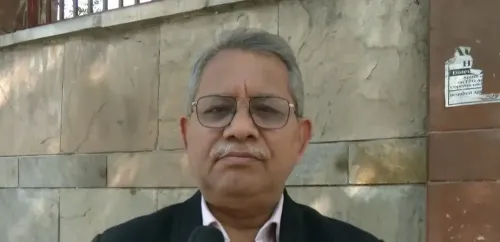
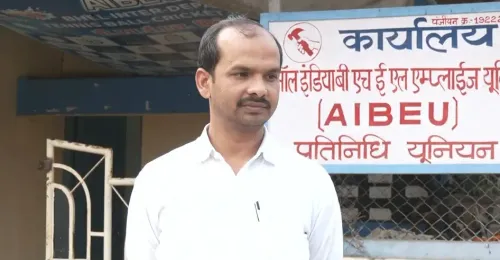
Prashant Padhi, State President (Odisha) and National Vice-President of the National Front of Indian Trade Unions (NFITU), echoed similar sentiments, calling the protest politically driven and detrimental to workers’ welfare.
"Those opposing labor laws or codes and calling for a strike are overlooking several worker-friendly decisions. For example, gratuity, which previously required five or ten years of service, is now accessible after just one year," Padhi stated.
“This strike is inappropriate, and we will not extend our support,” he concluded.
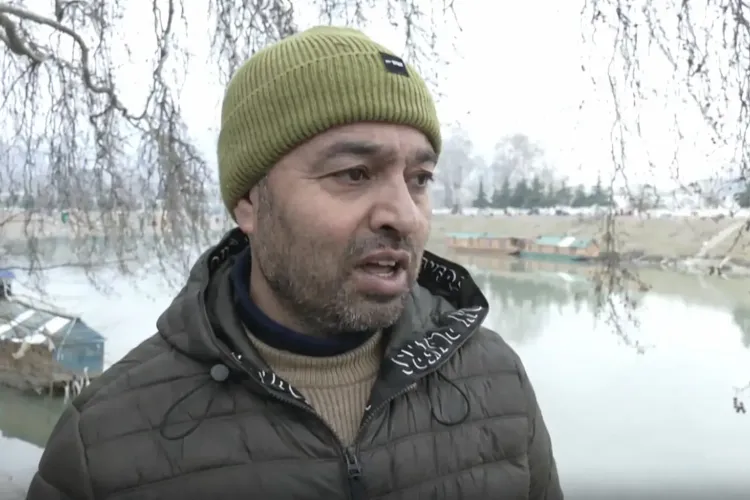
Kashmir Labour Union President Ashraf Gani defended the four labor codes, asserting that their goal is to ensure social security, minimum wages, and enhanced transparency.
"The ‘One Nation, One Labour Code’ seeks to benefit workers. A minimum wage provision has been established to prevent injustice, and safety measures have been reinforced," Gani emphasized, adding that the reforms align with the vision of a developed India by 2047.
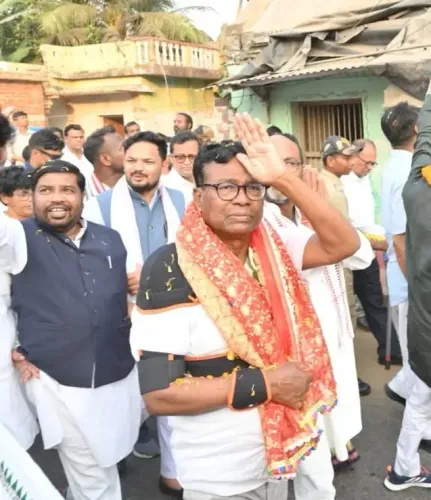
In West Bengal, NFITU state President Bumba Mukherjee stated that the organization “completely opposes” the strike called on Thursday.
"On behalf of the National Front of Indian Trade Unions, we fully reject this strike. It is entirely politically motivated," he asserted.
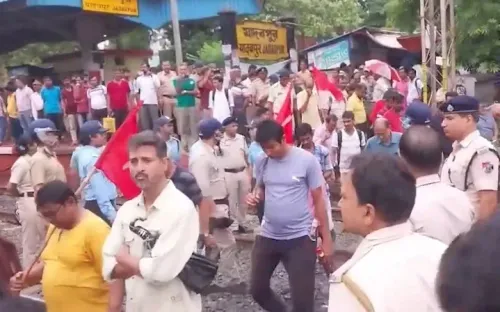
The comments come amid a nationwide call for protest by certain trade unions concerning labor-related matters, with multiple organizations asserting that the strike lacks widespread support among the workforce.
Point of View
It's essential to report on labor movements with an unbiased lens. While protests are a fundamental right, understanding the motivations behind them is crucial. This situation reflects the ongoing struggle between political influences and genuine worker representation, highlighting the need for constructive dialogue and collaboration within the labor community.
NationPress
5 Oct 2026
Frequently Asked Questions
What is the reason behind the rejection of the nationwide strike by labor organizations?
Many labor organizations have labeled the strike as politically motivated and not representative of the broader interests of workers.
How many organizations have distanced themselves from the strike?
At least 19 major organizations, including the Bharatiya Mazdoor Sangh, have distanced themselves from the strike.
What do labor leaders suggest instead of strikes?
Labor leaders emphasize the importance of dialogue and discussions with government representatives instead of resorting to strikes.
What changes in labor laws have been highlighted?
Changes include the adjustment of gratuity eligibility from five or ten years of service to just one year.
What is the 'One Nation, One Labour Code' initiative?
It aims to streamline labor laws to benefit workers, ensuring minimum wages and enhanced safety measures.