Are MP farmer unions calling Bharat Bandh politically motivated?
Synopsis
As India prepares for a nationwide strike, Bharat Bandh, leaders from Madhya Pradesh are claiming the protest is politically driven. Discover the implications of this strike and the responses from union leaders about the government's labor reforms and their impact on the workforce.
Key Takeaways
Strike is politically motivated .
Government labor reforms are aimed at worker welfare .
Unions demand annulment of new labor codes .
Potential disruptions in various sectors .
Importance of dialogue between stakeholders .
Indore, Feb 12 (NationPress) As numerous states in India brace for significant disruptions following a call for a nationwide strike, known as Bharat Bandh, by various trade unions and farmers’ organizations, leaders from Madhya Pradesh have labeled the protest as politically motivated.
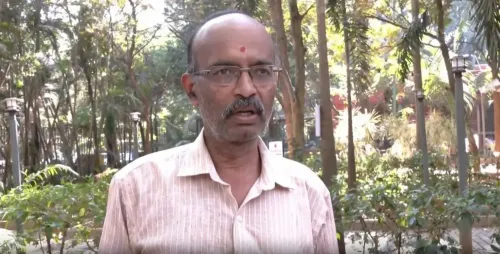
In Indore, Umang Bansal, the National Coordinator of Fight for Right, stated to IANS that the strike is entirely driven by political agendas and is unlikely to have a substantial impact on the nation.
“This strike is fundamentally politically motivated, and its repercussions on the country will be minimal. The government’s initiatives are crafted with the workers’ welfare in mind. While there may be some imperfections in the regulations, such disruptions cannot silence the government,” Bansal remarked.
He emphasized the necessity for stakeholders to collaborate and present their grievances to the government for effective resolutions.
“We need to come together and communicate these issues to the government, allowing them to address them accordingly. The various schemes instituted by the government are for the benefit of the workers,” he added.
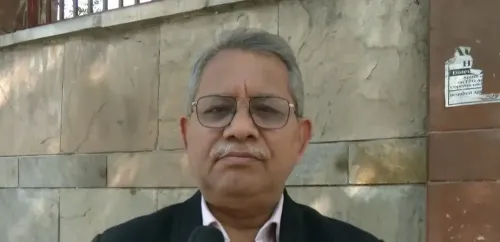
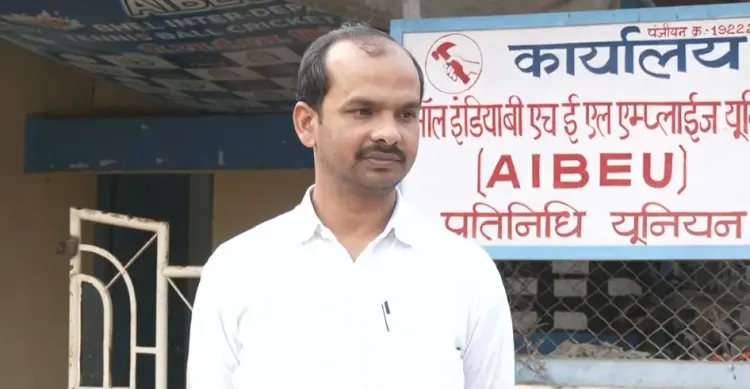
In Bhopal, Satendra Kumar, a leader from the All India Bank Employees’ Union (AIBEU), echoed similar sentiments, asserting that the strike is politically influenced and commended the government’s labor reforms.
“The call for a strike today is politically motivated. The government’s actions are commendable. The transition from 29 labor laws to four is a significant step forward. Once implemented, the benefits will be evident, propelling us towards the vision of Viksit Bharat,” Kumar informed IANS.
He further mentioned that the new labor codes will enhance Provident Fund (PF) coverage and foster worker welfare.
“These four labor laws are pivotal for increasing PF coverage. This is a great stride towards workers’ welfare,” he noted.
Kumar also highlighted that these reforms would support new entrepreneurs and small enterprises.
“This will also aid those initiating startups and significantly benefit small businesses, aligning with the vocal for local initiative,” he added.
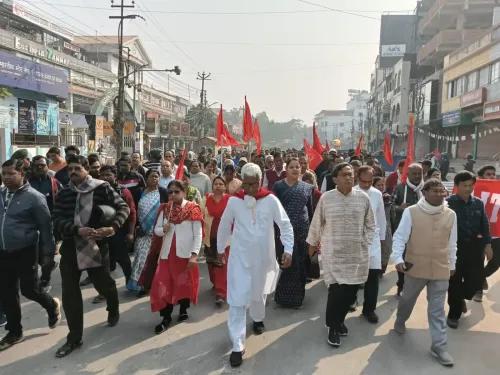
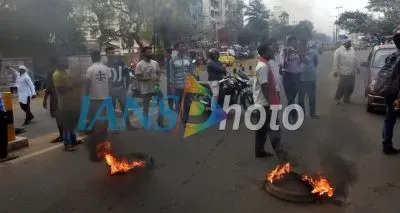
Meanwhile, various sectors, including public sector banks, government offices, transport services, and markets across several states, are anticipated to be affected due to the strike. Some educational institutions may also close in areas where protests are prevalent, depending on local circumstances.
The strike has been organized by a coalition of central trade unions, receiving strong support from farmer groups opposing the new labor codes and the proposed India-US trade agreement.
The unions contest the four labor codes that replaced 29 labor laws last year, claiming these new regulations undermine workers’ rights, diminish job security, and facilitate easier hiring and firing processes for employers. They have also raised alarms regarding privatization, wage issues, and insufficient social security provisions.
According to the unions, strike notices have been disseminated across most sectors, and preparations for the bandh are actively progressing. Their primary demands include the annulment of the four labor codes and related regulations, the withdrawal of the Draft Seed Bill, the Electricity Amendment Bill, and the Sustainable Harnessing and Advancement of Nuclear Energy for Transforming India (SHANTI) Act.
Additionally, they are calling for the restoration of MGNREGA and the repeal of the Viksit Bharat - Guarantee for Rozgar and Ajeevika Mission (Gramin) Act, 2025.
Point of View
Bharat Bandh, approaches, it is crucial to recognize the varying perspectives from different stakeholders. While some view the protest as a politically fueled initiative, others see it as a necessary action to voice concerns over recent labor reforms. Ultimately, dialogue and collaboration are essential in addressing the issues at hand, ensuring the welfare of all workers involved.
NationPress
23 Sept 2026
Frequently Asked Questions
What is Bharat Bandh?
Bharat Bandh is a nationwide strike called by trade unions and farmers' organizations to protest against various issues, including labor reforms.
Why do some leaders claim the strike is politically motivated?
Some leaders argue the strike is politically driven, suggesting it lacks a genuine grassroots movement and instead serves certain political agendas.
What are the demands of the protesting unions?
The unions are demanding the annulment of four new labor codes, withdrawal of specific bills, and restoration of MGNREGA.
How might the strike affect daily life in India?
The strike could disrupt public sector banks, government offices, transport services, and educational institutions in various regions.
What changes have been made to labor laws recently?
The government has replaced 29 labor laws with four new codes, which the unions argue undermine workers' rights and job security.