Bhopal Police orders prior permission for protests ahead of Congress' Nov 26 march
Synopsis
Bhopal's Police Commissioner has mandated prior permission for all public gatherings under a two-month order — issued just days before Congress scheduled a city-wide march against alleged vote theft. Congress president Jitu Patwari has called it proof of the BJP government's 'political nervousness,' and vowed the march will go ahead on 26 November regardless.
Key Takeaways
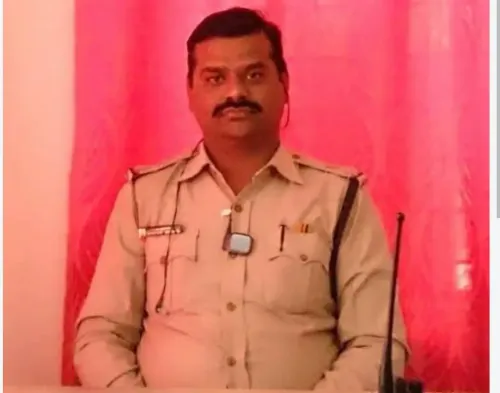
Bhopal Police Commissioner Sanjay Kumar issued a prohibitory order on 16 November requiring prior police approval for all protests, rallies, and public gatherings in the city.
The order, under Section 163 of the BNSS, 2023 , will remain in force for two months .
It covers sit-ins, processions, vehicle rallies, effigy burnings, gheraos, and submission of memorandums, among other activities.
Violations invite action under Section 223 of the BNS, 2023 ; organisers are liable for damage from disorder.
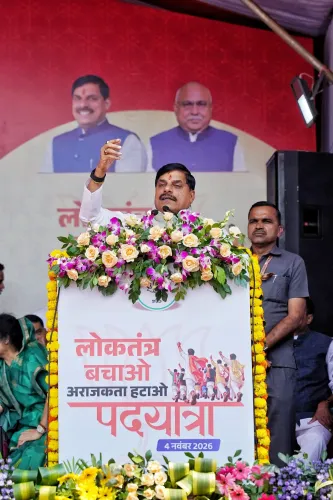
Madhya Pradesh Congress President Jitu Patwari condemned the order on X, calling it proof of the BJP government's 'political nervousness.' Congress has pledged to proceed with its 26 November protest march in Bhopal against alleged vote theft.
Bhopal Police Commissioner Sanjay Kumar on 16 November 2026 issued a prohibitory order making prior police permission mandatory for all public gatherings in Bhopal, including protests, rallies, and demonstrations. The order, invoked under Section 163 of the Bharatiya Nagarik Suraksha Sanhita (BNSS), 2023, will remain in force for two months and comes directly ahead of a Congress-planned march on 26 November against alleged vote theft in Madhya Pradesh.
What the Order Covers
The directive requires prior approval from the Deputy Commissioner of Police (Intelligence and Security) for a broad range of public programmes. These include sit-ins, agitations, processions, vehicle rallies, foot marches, public meetings, effigy burnings, submission of memorandums, and gheraos of government offices, buildings, and residences.
The order additionally prohibits provocative speeches targeting the religious sentiments of other communities, as well as publications likely to create communal tension. Carrying or using arms, weapons, or explosives during public events has been explicitly barred, and torch processions have been prohibited. Violations will invite action under Section 223 of the Bharatiya Nyaya Sanhita (BNS), 2023, with organisers held responsible for any damage to public or government property arising from disorder.
What the Police Commissioner Said
Commissioner Kumar, explaining the rationale, stated that various communities, organisations, and political parties frequently hold such events to raise demands, mark festivals, or conduct social programmes — all of which require adequate police and traffic arrangements. 'Prior information about such programmes is necessary so that appropriate security arrangements can be ensured for their orderly conduct,' Kumar stated in the order.
He further said the measures were essential to prevent public programmes from disrupting normal life, escalating into violence, or causing damage to public property. The order was issued ex parte under Section 163(2) of the BNSS.
Congress Cries Foul
Madhya Pradesh Congress President Jitu Patwari on Tuesday sharply condemned the order in a post on X, alleging that the ruling Bharatiya Janata Party (BJP) government was attempting to suppress democratic dissent out of fear of protests against vote theft. 'The government is so frightened by the voices being raised against vote theft that it is now putting restrictions on the voice of democracy itself. The new order issued through the Bhopal Police Commissioner is proof of the government's political nervousness and intolerance towards democracy,' Patwari wrote.
Patwari further asserted that government orders and police restrictions could neither imprison the truth nor suppress public anger. Addressing Chief Minister Mohan Yadav directly, he declared that the Congress was 'neither afraid of orders nor concerned about repression' and would not surrender before the ruling establishment. 'Democracy is not the property of any government. On November 26, the people of Madhya Pradesh will raise a strong voice in defence of democracy against vote theft,' he said.
Context and What to Watch
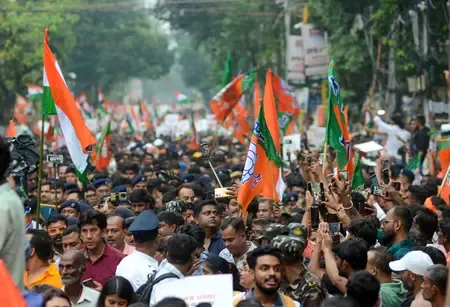
The timing of the order is notable. The Congress had already announced a protest march in Bhopal on 26 November — Constitution Day — against what it describes as large-scale vote theft in Madhya Pradesh. Critics argue the two-month window of the prohibitory order effectively covers the planned march and extends well beyond any immediate law-and-order concern, raising questions about its intent.
Notably, the use of Section 163 of the BNSS — the successor to Section 144 of the Code of Criminal Procedure — to impose advance-permission requirements on protests is not unprecedented in Indian cities, but orders of this duration and breadth often attract legal scrutiny. It remains to be seen whether the Congress will challenge the order in court or attempt to hold its march under the new compliance framework.
Point of View
But courts have consistently held that such orders cannot be used as a blanket veto on democratic assembly. If Congress challenges this in court, the Madhya Pradesh BJP government may find the optics of defending a two-month protest ban far costlier than the march itself.
NationPress
17 Nov 2026
Frequently Asked Questions
What is the Bhopal Police order about protests and rallies?
The Bhopal Police Commissioner issued an order on 16 November mandating that all public gatherings — including protests, rallies, processions, and public meetings — require prior approval from the Deputy Commissioner of Police (Intelligence and Security). The order is in force for two months and was issued under Section 163 of the Bharatiya Nagarik Suraksha Sanhita (BNSS), 2023.
Why has Congress objected to the Bhopal Police order?
The Congress has objected because the order comes ahead of its planned protest march in Bhopal on 26 November against alleged vote theft in Madhya Pradesh. Madhya Pradesh Congress President Jitu Patwari has alleged that the BJP government issued the directive to suppress democratic dissent and stifle opposition voices.
What activities does the Bhopal prohibitory order cover?
The order covers sit-ins, agitations, processions, rallies, public meetings, effigy burnings, foot marches, vehicle rallies, submission of memorandums, and gheraos of government offices, buildings, and residences. It also bans provocative speeches targeting religious sentiments and prohibits carrying arms or explosives at public events.
What happens if someone violates the Bhopal Police order?
Organisers who hold public programmes without prior permission face legal action under Section 223 of the Bharatiya Nyaya Sanhita (BNS), 2023. They are also held responsible for any damage to public or government property arising from disorder during such events.
Will the Congress proceed with its November 26 march in Bhopal?
Yes, Congress has stated it will not back down. Jitu Patwari declared that the party is 'neither afraid of orders nor concerned about repression' and that the people of Madhya Pradesh will 'raise a strong voice in defence of democracy against vote theft' on 26 November, Constitution Day.