Bhutan glacial lake outburst flood puts Assam's Dhubri district on high alert
Synopsis
A glacial lake burst at Bhutan's Shintaphu Lake sent floodwaters racing down the Mo Chhu and Sankosh rivers toward Assam and West Bengal on Thursday. With the CWC warning of a sudden surge in Dhubri and Alipurduar, and riverside villages like Surendrapur on edge, the event is a sharp reminder that Himalayan glacial melt is now a live cross-border disaster risk for India's northeast.
Key Takeaways
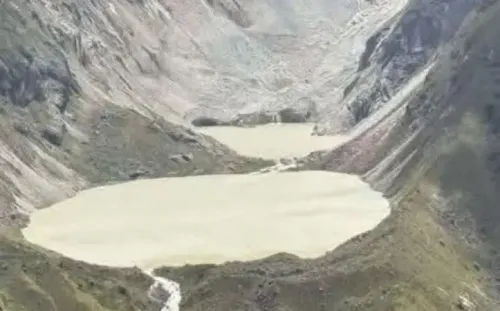
Shintaphu Lake in Bhutan's Gasa district experienced a Glacial Lake Outburst Flood (GLOF) on Thursday evening, 30 October 2026 .
The Central Water Commission (CWC) issued a special advisory warning of possible sudden water rise in Dhubri (Assam) and Alipurduar (West Bengal) .
Floodwaters are moving through the Mo Chhu river system into the Sankosh river ; surge was expected to hit the India-Bhutan border within 6–8 hours .
Chief Minister Himanta Biswa Sarma confirmed state-level monitoring of Dhubri and Kokrajhar districts.
ASDMA reported Sankosh river water levels were steady as of 6:30 am on Friday .
Residents in Surendrapur and Khoksaguri have been urged to stay vigilant and follow local administration instructions.
A Glacial Lake Outburst Flood (GLOF) at Shintaphu Lake in Bhutan's Gasa district on Thursday evening has triggered widespread fear among residents living along riverbanks in Assam's Dhubri district, with authorities warning of a possible sudden surge in downstream water levels. The Central Water Commission (CWC) issued a special advisory alerting both Dhubri district in Assam and Alipurduar district in West Bengal to the risk.
What Triggered the Alert
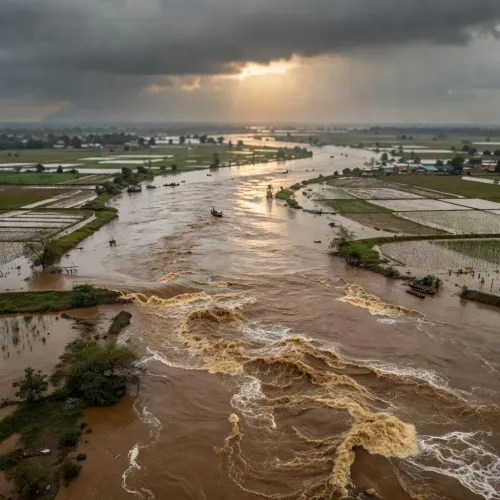
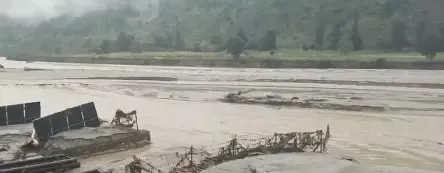
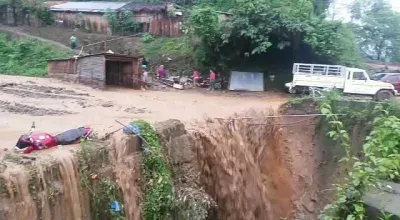
The sudden outburst at Shintaphu Lake released a massive volume of glacial water, setting off flash flooding across Bhutan's mountainous terrain. The floodwaters are moving downstream through the Mo Chhu river system into the Sankosh river, which flows through portions of Assam and West Bengal. According to the CWC advisory, the flood surge was expected to reach the India-Bhutan border within six to eight hours of Thursday's outburst.
Fear Among Riverside Communities
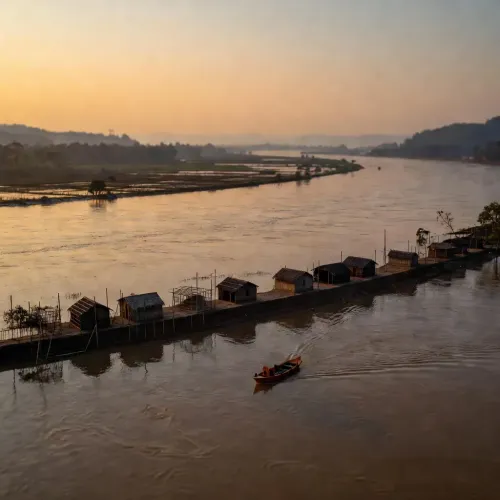
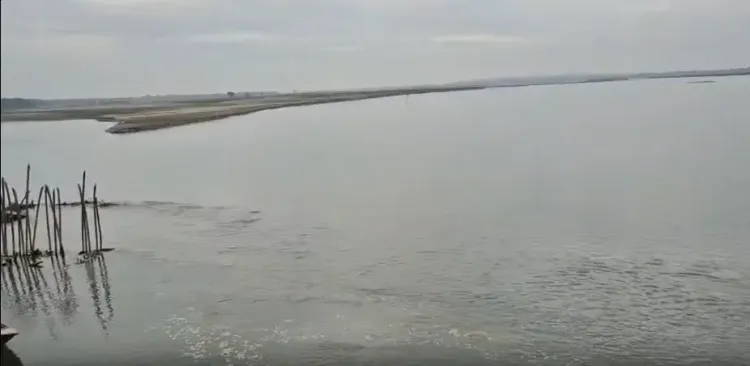
Locals in vulnerable riverine settlements, including Surendrapur and Khoksaguri, said on Friday that residents had gathered along the riverbank to assess the evolving situation. Many expressed apprehension that a nocturnal surge could inundate homes and agricultural land with little warning. The anxiety is compounded by the area's history of seasonal flooding, which leaves communities with narrow response windows when water levels rise rapidly overnight.
Government Response and Monitoring
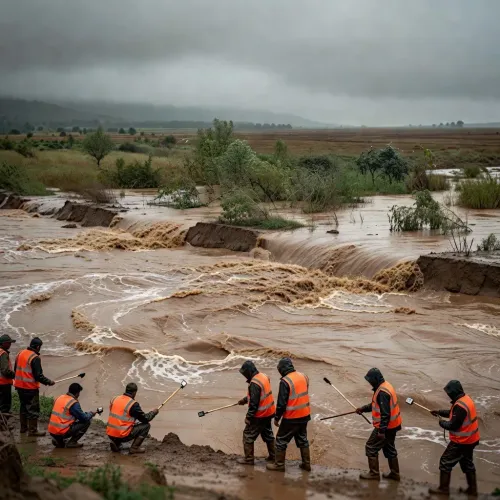
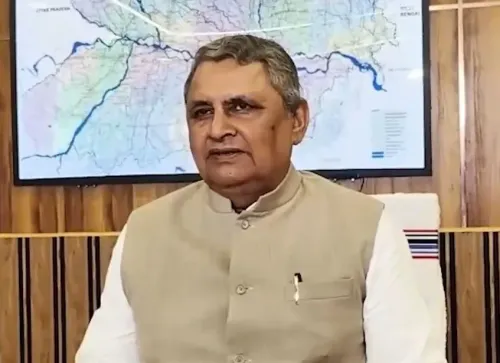
Chief Minister Himanta Biswa Sarma said the state government was closely monitoring the possible impact of the Bhutan GLOF across vulnerable revenue circles of Dhubri and Kokrajhar districts. The Chief Minister's Office confirmed that the Dhubri district administration was on the ground and prepared to respond to any downstream impact. District authorities and disaster response teams across both districts have been placed on high alert.
Sankosh River Levels and ASDMA Update
An Assam State Disaster Management Authority (ASDMA) spokesperson said the water level of the Sankosh river remained steady as of 6:30 am on Friday. Officials have urged residents to stay vigilant and follow instructions from local authorities as monitoring continues round the clock. Notably, GLOFs in the Himalayan and sub-Himalayan belt have become a recurring threat — Bhutan's glacial lakes have seen multiple outburst events over recent decades, each carrying significant downstream risk for India's northeast and eastern states.
What's Next
Authorities in both Assam and West Bengal are on standby as the flood pulse travels downstream. The CWC and ASDMA are expected to issue updated advisories as river gauge readings evolve. Residents in low-lying riverine areas have been advised not to move to riverbanks and to keep emergency supplies ready pending an all-clear from district administrations.
Point of View
But the six-to-eight-hour window for a cross-border flood surge to reach the India-Bhutan border leaves precious little time for organised evacuation of riverine settlements. As glacial melt accelerates under climate change, GLOFs in the Himalayan belt will grow in frequency and intensity — making bilateral disaster-data-sharing agreements with Bhutan not a diplomatic nicety but an operational necessity.
NationPress
30 Oct 2026
Frequently Asked Questions
What is a Glacial Lake Outburst Flood (GLOF) and why is it dangerous?
A Glacial Lake Outburst Flood (GLOF) occurs when a natural dam holding a glacial lake — formed by ice or moraine — suddenly fails, releasing a massive surge of water downstream. For communities along rivers like the Sankosh in Assam and West Bengal, GLOFs can cause flash flooding with very little warning, threatening homes, agricultural land, and lives.
Which areas in India are at risk from the Bhutan GLOF?
The Central Water Commission has specifically warned of a possible sudden rise in water levels in Dhubri district of Assam and Alipurduar district of West Bengal. Riverside villages including Surendrapur and Khoksaguri in Dhubri have been identified as particularly vulnerable.
What is the current status of the Sankosh river after the Bhutan GLOF?
According to an ASDMA spokesperson, the Sankosh river's water level was steady as of 6:30 am on Friday. Authorities are continuing round-the-clock monitoring and will issue updated advisories as readings change.
What steps has the Assam government taken in response?
Chief Minister Himanta Biswa Sarma confirmed that the state government is closely monitoring vulnerable revenue circles in Dhubri and Kokrajhar districts. The Dhubri district administration has been deployed on the ground, and disaster response teams have been placed on high alert across both districts.
How does a Bhutan glacial lake outburst reach Assam?
The outburst at Shintaphu Lake in Bhutan's Gasa district releases water into the Mo Chhu river system, which feeds into the Sankosh river. The Sankosh flows through parts of Assam and West Bengal before joining the Brahmaputra, meaning any major surge upstream can reach Indian territory within hours.