Bhutan glacial lake burst floods alert in north Bengal, residents evacuated
Synopsis
A glacial lake at Shintaphu, Bhutan — already flagged as one of 17 high-risk lakes — has burst again, just five years after a 2021 episode that reshaped the Mo Chhu River. With floodwater heading toward north Bengal's Sankosh River and residents of Alipurduar evacuated to highways and relief camps, the episode is a stark reminder that the eastern Himalayas' glacial threat is not a future risk — it is a recurring present one.
Key Takeaways
Shintaphu Lake in Gasa district, Bhutan suffered a glacial lake outburst flood (GLOF) on Thursday evening, 30 October 2026 .
Outflow raised water levels in the Mo Chhu River and is moving downstream toward the Sankosh River in north Bengal .
State Minister Nisith Pramanik activated the State Disaster Management Team and notified the NDRF ; floodwater was expected to reach the plains within 5 to 6 hours .
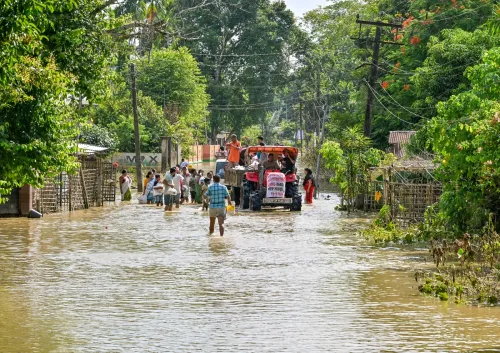
Residents of Kumargram block, Alipurduar district were evacuated to relief camps; many initially returned home on Friday morning before retreating again as the river turned muddy.
Partial damage reported to an irrigation project in Punakha and a section of the Punakha-Gasa road washed away; full extent of damage in Bhutan not yet assessed.
Shintaphu is one of 17 high-risk glacial lakes in Bhutan and previously caused a major flood event on 26 August 2021 .
A glacial lake outburst flood (GLOF) at Shintaphu Lake in Gasa district, Bhutan, has triggered a flood alert across north Bengal, with the West Bengal government evacuating residents along the Sankosh River to relief camps on 30 October 2026. The sudden discharge of glacial water is raising fears of significant inundation in districts bordering Bhutan.
How the GLOF Unfolded
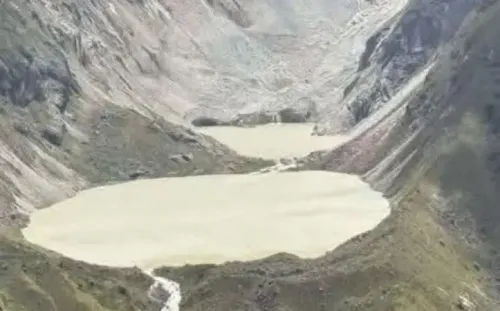
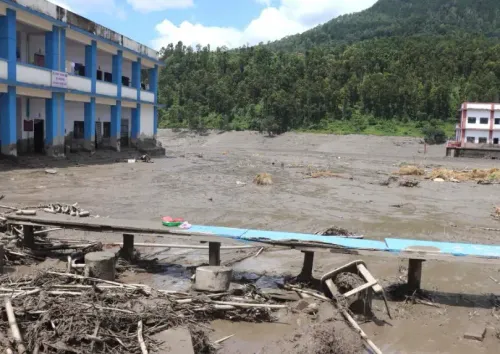
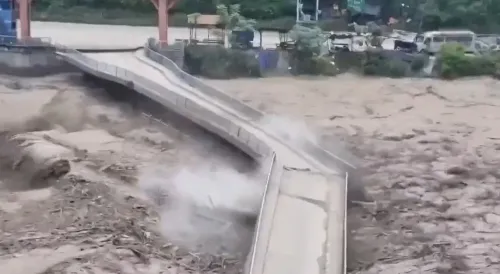
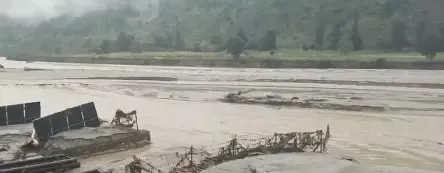
On Thursday evening, a large volume of water surged out of Shintaphu Lake, a glacial water body in Gasa district. The outflow damaged infrastructure near the Gasa Shachu hot spring and caused the Mo Chhu River — one of the two largest tributaries of the Sankosh — to rise sharply. A stretch of the Punakha-Gasa road was reportedly washed away, disrupting traffic, while an irrigation project in Punakha suffered partial damage. The full extent of damage within Bhutan is not yet known, according to preliminary reports.
Although an alert was issued on Thursday night, the Sankosh's water level had not risen significantly by Friday morning. By afternoon, however, water levels began climbing sharply across several stretches, prompting heightened concern on both sides of the border.
What the Government Said
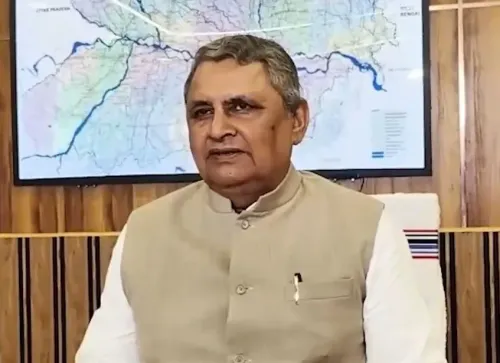
State Minister Nisith Pramanik confirmed that water from the burst lake was flowing downstream through the Mo Chhu River and heading toward the Sankosh River. 'Residents living along the Sankosh River and its tributaries have been alerted. They have been advised to move to a safe place immediately to ensure their safety,' Pramanik said.
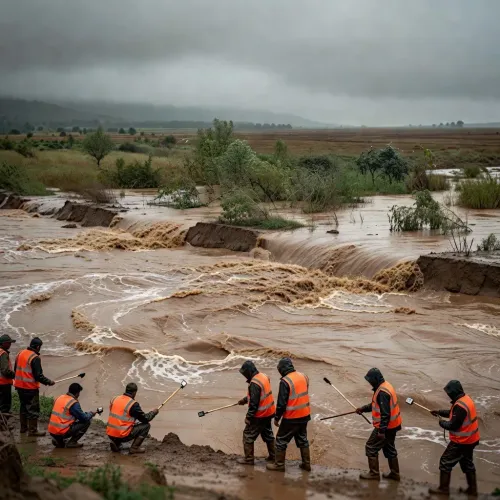
The minister added that floodwater was expected to reach the plains within 5 to 6 hours of the alert, 'creating a high risk of significant flooding in the area.' He confirmed that the State Disaster Management Team had been activated, the National Disaster Response Force (NDRF) had been notified, and disaster management volunteers had been deployed on-site.
Evacuations and Ground Situation
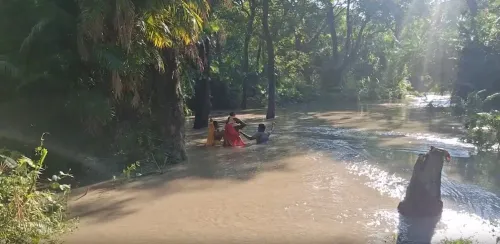
Residents along the Sankosh in north Bengal districts bordering Bhutan were evacuated to relief camps. Many spent the night on the national highway out of fear. On Friday morning, with the river appearing calm, several residents of Kumargram block in Alipurduar district attempted to return home. However, as the Sankosh's waters turned increasingly muddy — a sign of elevated sediment load from upstream — many reversed course and returned to the camps.
Why Shintaphu Lake Is a Known Hazard
Shintaphu is among 17 lakes in Bhutan officially identified as high-risk due to glacial instability. This is not the first time it has unleashed downstream chaos: on 26 August 2021, a sudden rise in the lake's water level caused the Mo Chhu to overflow, change its course, and wash away the Gasa Shachu hot spring. The recurrence underlines the escalating threat of GLOFs in the eastern Himalayan region as glaciers destabilise under rising temperatures.
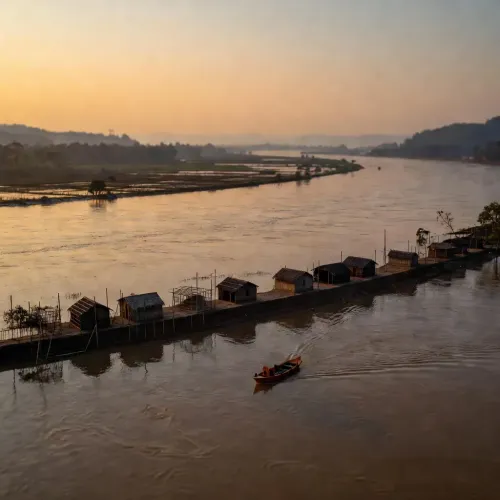
The Torsa, Jaldhaka, Sankosh, and Raidak rivers all enter north Bengal from Bhutan, making the region structurally vulnerable to any upstream glacial event. The Sankosh — known as the Puna Tsang Chhu in Bhutan — originates in northern Bhutan, flows through Assam and West Bengal, and eventually joins the Brahmaputra. A substantial surge in the Mo Chhu therefore propagates downstream, amplifying flood risk well into the Bengal plains.
What Happens Next
Authorities are closely monitoring river levels across the affected districts. The situation in Alipurduar and neighbouring areas will remain critical over the coming hours as the full quantum of released water works its way downstream. With the monsoon season still active and glacial outburst risk undiminished, this episode is likely to renew calls for a robust early-warning system linking Bhutanese hydrological stations directly to Bengal's disaster management network.
Point of View
And north Bengal's exposure to it is structural. Four trans-boundary rivers funnel Bhutanese glacial melt directly into one of India's most flood-prone zones, yet a real-time, bilaterally managed early-warning system remains absent. The 2021 episode should have accelerated that infrastructure; it did not. Until India and Bhutan formalise a shared hydrological alert protocol, each GLOF will follow the same script: overnight panic, highway camps, and a narrow escape that is mistaken for preparedness rather than luck.
NationPress
30 Oct 2026
Frequently Asked Questions
What is a glacial lake outburst flood (GLOF) and why did Shintaphu Lake burst?
A glacial lake outburst flood occurs when a lake formed by glacial meltwater suddenly releases its stored water, often due to the failure of an ice or moraine dam. Shintaphu Lake in Bhutan's Gasa district is one of 17 lakes in Bhutan identified as high-risk because of glacial instability, and it had a similar outburst event as recently as 26 August 2021.
Which areas of north Bengal are at risk from the Shintaphu Lake GLOF?
Areas along the Sankosh River and its tributaries in north Bengal are most at risk, particularly Kumargram block in Alipurduar district. The Torsa, Jaldhaka, Sankosh, and Raidak rivers all enter north Bengal from Bhutan, making border districts structurally vulnerable to any upstream glacial event.
What steps has the West Bengal government taken in response?
State Minister Nisith Pramanik confirmed that the State Disaster Management Team has been activated and the NDRF notified. Residents along the Sankosh have been advised to move to safer locations, disaster management volunteers have been deployed on-site, and relief camps have been set up for evacuees.
What damage has occurred in Bhutan so far?
Preliminary reports indicate that an irrigation project in Punakha suffered partial damage and a stretch of the Punakha-Gasa road was washed away, disrupting traffic. Infrastructure near the Gasa Shachu hot spring was also damaged. The full extent of the damage in Bhutan is not yet known.
Has Shintaphu Lake caused floods before?
Yes. On 26 August 2021, a sudden rise in Shintaphu Lake's water level caused the Mo Chhu River to overflow, change course, and wash away the Gasa Shachu hot spring. The recurrence of a similar event in 2026 highlights the persistent glacial instability at the site.