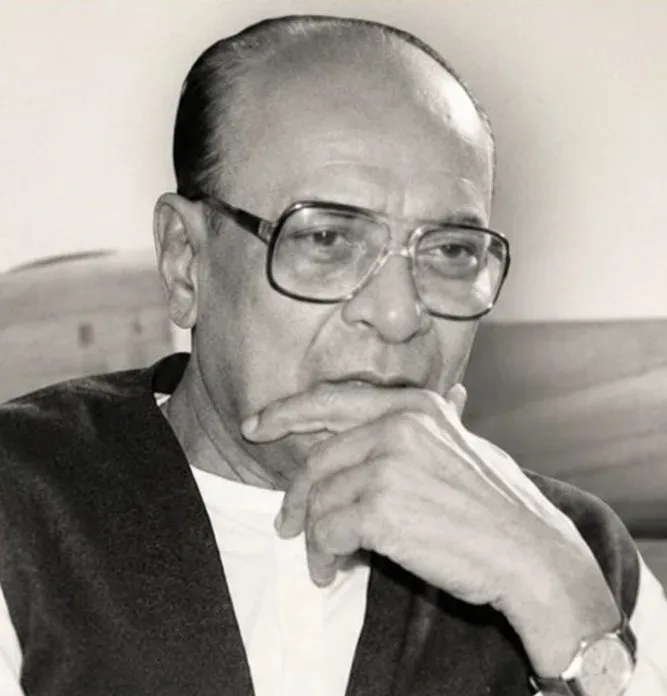
Biju Patnaik: How Odisha's aviator-CM shaped India-Indonesia ties
Synopsis
Long before India-Indonesia ties became a diplomatic talking point, one man flew a Dakota into Dutch-occupied Java and changed history. PM Modi's Jakarta tribute to Biju Patnaik revives the story of a 31-year-old aviator-politician who evacuated Indonesian leaders, named a future president, and earned the title 'Bhoomi Putra' — a legacy that still shapes bilateral relations today.
Key Takeaways
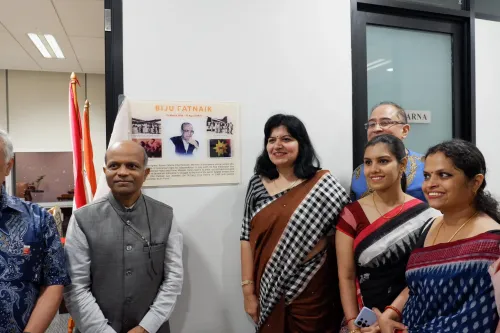
PM Narendra Modi honoured Biju Patnaik during his visit to Jakarta on 7 July , the first leg of a three-nation tour.
In July 1947 , Patnaik flew a Dakota into Dutch-controlled Indonesian territory to evacuate two Indonesian leaders, at Jawaharlal Nehru's request.
Patnaik is credited with suggesting the name 'Megawati' — from Sanskrit meghavatī — for Sukarno's daughter, who later became Indonesia's first female president .
He was honoured in Indonesia with the title 'Bhoomi Putra' ; the aircraft used in the mission reportedly became a museum piece.
Patnaik served as Chief Minister of Odisha twice ( 1961–1963 and 1990–1995 ) and died on 17 April 1997 , aged 81 .
His son Naveen Patnaik became Odisha's longest-serving chief minister, holding office from 2000 to 2024 .
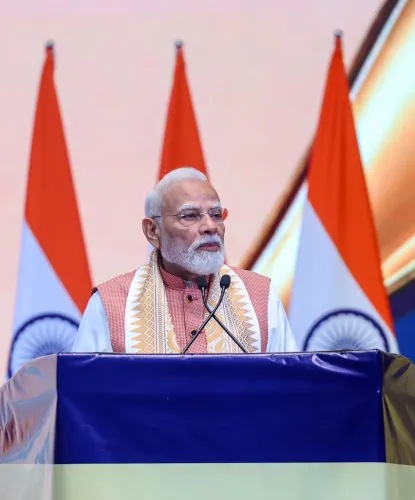
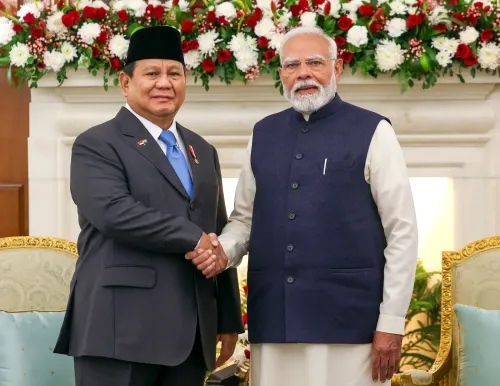
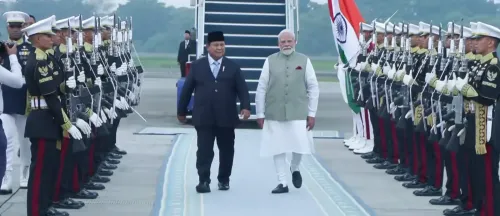
Prime Minister Narendra Modi, during his visit to Jakarta on Tuesday, 7 July — the first leg of a three-nation tour — paid tribute to Biju Patnaik, former chief minister of Odisha, for his pivotal role in Indonesia's independence movement and the lasting diplomatic bonds his actions helped forge between the two nations. Modi's remarks brought renewed attention to a chapter of mid-20th-century history that sits at the heart of India–Indonesia bilateral relations.
The Daring 1947 Mission
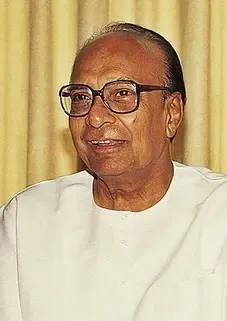
In July 1947, Bijayananda Patnaik — widely known as Biju Babu — flew a Dakota aircraft into Dutch-controlled Indonesian territory to evacuate two Indonesian leaders and bring them safely to India. The mission was undertaken at the personal request of Prime Minister Jawaharlal Nehru, and Patnaik, then approximately 31 years old, volunteered without hesitation.
He was accompanied on the flight by his wife and co-pilot, Gyanwati Patnaik. Facing the threat of Dutch interception, Patnaik reportedly warned that any attack on his aircraft would invite retaliation against Dutch aircraft over Indian skies. He successfully evacuated the two leaders, first to Singapore and then to New Delhi, in a mission that drew significant international attention.
Why the Mission Mattered
When Japan surrendered at the end of World War II, the Netherlands moved to reassert colonial control over Indonesia. Indonesian leaders were detained, and freedom of movement was severely curtailed. Patnaik's evacuation allowed those leaders to reach India and address the issue on an international platform — aligning New Delhi firmly with anti-colonial movements in Southeast Asia.
The aircraft used in the mission reportedly became a museum piece in Indonesia, a tangible symbol of that shared history. Patnaik was honoured in Indonesia and bestowed the affectionate title 'Bhoomi Putra' — son of the soil — by the Indonesian people.
The Megawati Connection
Patnaik's ties to Indonesia extended beyond the dramatic evacuation. He is credited, according to several historical accounts, with suggesting the name 'Megawati' for the daughter of Sukarno — the revolutionary leader who became Indonesia's first president. The name is derived from the Sanskrit word meghavatī, meaning 'she who has a cloud' or 'daughter of clouds', reportedly chosen because it was raining at the time of her birth.
Sukarno's daughter, Diah Permata Megawati Setiawati Sukarnoputri, went on to serve as Indonesia's fifth president and its first and only female head of state, as well as the country's eighth vice president. Megawati has reportedly recounted the story of her naming in meetings with Indian leaders, underscoring the deeply personal dimension of Patnaik's connection to Indonesia.
Aviator, Freedom Fighter, Politician
Patnaik's life spanned an extraordinary range of roles. Reportedly trained at the Delhi Flying Club, he flew rescue sorties during World War II and is said to have used his aircraft to provide clandestine support to Indian freedom activists. After the war, he founded Kalinga Airlines before entering politics.
He served as Chief Minister of Odisha from 1961 to 1963 and again from 1990 to 1995, and held the post of Union Minister of Steel, Mines and Coals in the governments of Morarji Desai and Charan Singh. He passed away on 17 April 1997 at the age of 81.
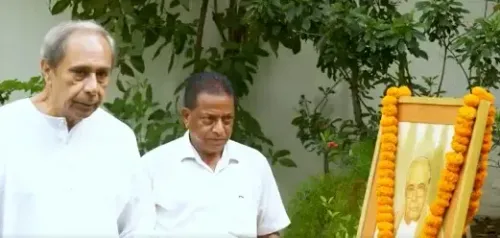
His son, Naveen Patnaik, founder of the Biju Janata Dal (BJD), served as Odisha's chief minister from 2000 to 2024, a tenure that makes him the longest-serving chief minister in the state's history.
Legacy in India–Indonesia Relations
Modi's tribute in Jakarta underscores how individual courage can leave an enduring diplomatic imprint. The 1947 mission remains a foundational episode in India–Indonesia relations — one that established personal bonds between the two nations' founding figures and set a tone of solidarity that successive governments have built upon. As bilateral ties between India and Indonesia continue to deepen, Biju Patnaik's legacy offers a reminder that diplomacy is often shaped by acts of personal daring as much as by formal agreements.
Point of View
Flying into hostile airspace with his wife as co-pilot, essentially freelancing history. That Patnaik also named a future Indonesian president is the kind of detail that sounds apocryphal but has been recounted by Megawati herself. The real question is whether India's foreign policy establishment has done enough to institutionalise this legacy — or whether it surfaces only when a PM needs a warm anecdote on a state visit.
NationPress
6 Oct 2026
Frequently Asked Questions
Who was Biju Patnaik and what was his role in Indonesia's independence?
Biju Patnaik, formally known as Bijayananda Patnaik, was an Odishan aviator, freedom fighter, and politician who in July 1947 flew a Dakota aircraft into Dutch-controlled Indonesian territory to evacuate two Indonesian independence leaders to safety in India. The mission, undertaken at the request of Prime Minister Jawaharlal Nehru, aligned India with anti-colonial movements in Southeast Asia and earned Patnaik lasting respect in Indonesia.
Why did PM Modi mention Biju Patnaik during his Jakarta visit?
PM Narendra Modi, visiting Jakarta on 7 July as the first leg of a three-nation tour, paid tribute to Patnaik's role in Indonesia's independence movement and the personal bonds he forged with Indonesia's founding figures. Modi noted how Patnaik's actions helped bring India and Indonesia closer, invoking a shared historical memory to underscore the depth of bilateral ties.
What is the connection between Biju Patnaik and Megawati Sukarnoputri?
Patnaik is credited with suggesting the name 'Megawati' for the daughter of Indonesia's first president, Sukarno, reportedly because it was raining at the time of her birth — the name derives from the Sanskrit word meghavatī, meaning 'daughter of clouds.' Megawati Sukarnoputri went on to serve as Indonesia's fifth president and its first and only female head of state.
What political offices did Biju Patnaik hold in India?
Patnaik served as Chief Minister of Odisha twice — from 1961 to 1963 and again from 1990 to 1995. He also served as Union Minister of Steel, Mines and Coals in the governments of Morarji Desai and Charan Singh. He founded Kalinga Airlines and was a prominent figure in mid-20th-century Indian politics.
What happened to the aircraft Biju Patnaik used in the 1947 Indonesia mission?
The Dakota aircraft used in the 1947 evacuation mission reportedly became a museum piece in Indonesia, preserved as a symbol of the shared history between India and Indonesia. Patnaik was also honoured with the title 'Bhoomi Putra' — meaning son of the soil — by the Indonesian people.