BJD to hold mass protest in Bhubaneswar on Sep 28 against MMDR Act
Synopsis
The BJD is going to the streets over a law it says cost Odisha ₹1 lakh crore in a single stroke. With Naveen Patnaik personally leading the 28 September rally, the MMDR Amendment Act protest is also the clearest signal yet of how the party plans to rebuild as Odisha's principal opposition — by anchoring itself to state rights and mineral wealth.
Key Takeaways
BJD has called a mass protest at Lower PMG, Bhubaneswar on 28 September 2026 against the MMDR Amendment Act .
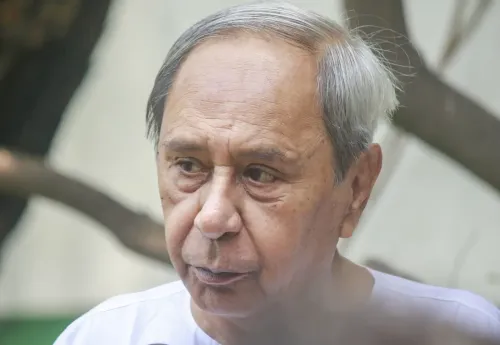
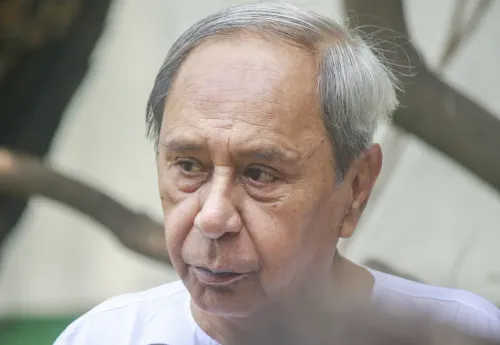
BJD president Naveen Patnaik , as Leader of Opposition, is expected to personally attend the rally.
The party alleges the Act strips state governments of control over mines, calling it a 'black law' that violates federal principles.
Odisha accounts for approximately 44% of India's mineral resources, making it the most affected state, according to the BJD.
The Supreme Court ruled on 25 July 2024 that states can levy taxes on mines; BJD says the MMDR amendment wiped out potential arrears of ₹1 lakh crore and annual revenue of ₹12,000 crore for Odisha.
The opposition Biju Janata Dal (BJD) on Thursday, 24 September 2026, announced a large-scale protest meeting in Bhubaneswar on 28 September, demanding the repeal of the Mines and Minerals (Development and Regulation) Amendment Act — which the party has labelled a 'black law' — and accusing the Centre of stripping states of their rightful control over mineral resources.
What BJD Is Demanding
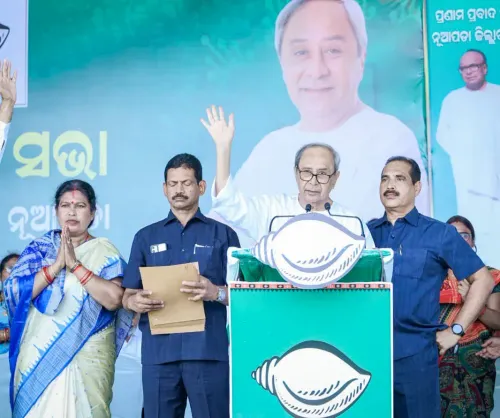
The protest rally is scheduled at Lower PMG in Bhubaneswar, and BJD president and Leader of Opposition Naveen Patnaik is expected to attend. The party has appealed to the people of Odisha to back the agitation, framing the MMDR Amendment Act as a direct assault on the federal structure of governance.
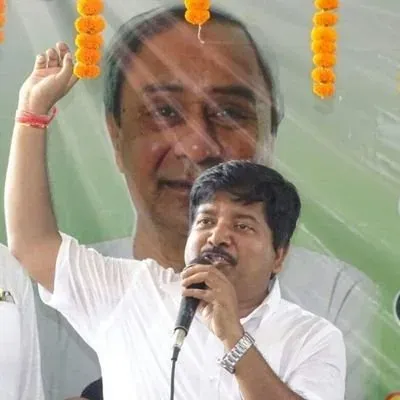
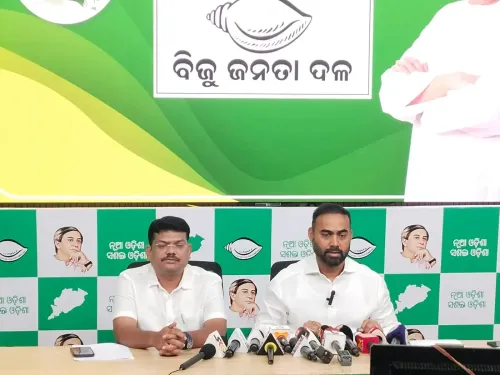
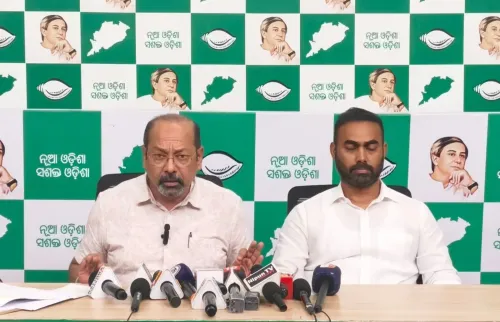
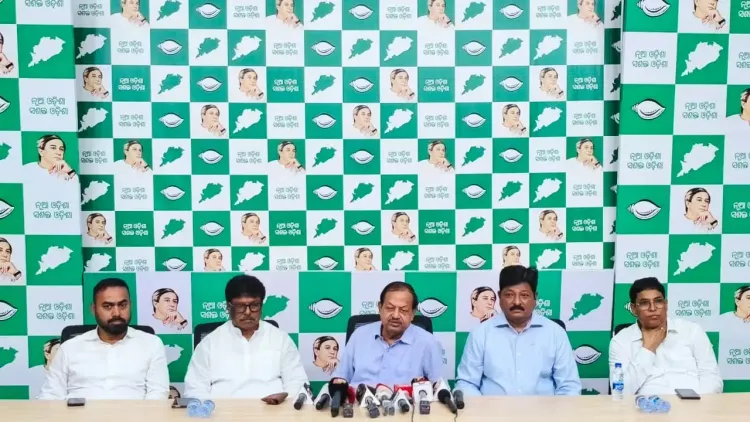
Senior Vice-President Debi Prasad Mishra, speaking at a press conference at Sankha Bhawan, alleged that the amended law had transferred control over mines and mineral-bearing lands away from state governments to the Centre. 'Therefore, demanding its withdrawal, the BJD will organise a massive protest meeting at Lower PMG on 28 September, in which BJD President Shri Naveen Patnaik will participate,' Mishra said.
The Stakes for Odisha
Mishra pointed out that Odisha holds roughly 44 per cent of the country's total mineral wealth, making it uniquely vulnerable to any policy shift that curtails state revenues from mining. The BJD argues that the amendment effectively nullifies a landmark judicial ruling that had promised the state a significant financial windfall.
BJD Vice-President Pratap Jena recalled that the Naveen Patnaik-led government had, in 2004, enacted a law enabling Odisha to impose taxes and levies on mines and mineral-bearing lands. Mining companies contested this legislation in court, keeping the matter pending before the Supreme Court for years.
The Supreme Court Ruling and Its Aftermath
On 25 July 2024, the Supreme Court ruled in Odisha's favour, holding that states possess the authority to levy taxes on mines and minerals. According to the BJD, this verdict could have brought Odisha arrears worth ₹1 lakh crore and an annual inflow of ₹12,000 crore. The party contends that the MMDR Amendment Act, introduced subsequently, effectively negated that financial benefit.
BJD vs BJP Over the Amendment
The BJD also took aim at state-level Bharatiya Janata Party (BJP) leaders for endorsing the amendment and claiming it would benefit rather than harm Odisha. The regional party said such a position was untenable given the scale of potential revenue loss. This marks a further hardening of the BJD's opposition stance following its loss of power in Odisha, as it seeks to consolidate public sentiment around state rights and natural-resource revenues ahead of future electoral contests.
With Naveen Patnaik set to lead the 28 September rally in person, the protest is poised to serve as a significant show of organisational strength for the party in its new role as the principal opposition force in Odisha.
Point of View
The party needs a high-visibility issue that paints the BJP as anti-state — and mineral revenue is tailor-made for that framing. The Supreme Court's July 2024 ruling handed BJD a powerful rhetorical weapon: a concrete rupee figure (₹1 lakh crore in arrears) that the Centre can be accused of having legislated away. Whether that argument holds legal scrutiny is secondary to its political potency in a mineral-rich state where royalty revenue shapes both the budget and public sentiment. The BJP's counter-claim — that Odisha benefits from the amendment — will need to be far more granular to neutralise the narrative before the 28 September rally gives it national visibility.
NationPress
24 Sept 2026
Frequently Asked Questions
What is the MMDR Amendment Act and why is BJD opposing it?
The Mines and Minerals (Development and Regulation) Amendment Act is a central law that, according to the BJD, transfers control over mines and mineral-bearing lands from state governments to the Centre. The BJD calls it a 'black law' that violates India's federal structure and deprives Odisha of revenues confirmed by a Supreme Court ruling.
What did the Supreme Court rule on mineral taxes in 2024?
On 25 July 2024, the Supreme Court held that states have the authority to impose taxes and levies on mines and minerals. The BJD claims this verdict entitled Odisha to ₹1 lakh crore in arrears and ₹12,000 crore in annual revenue — benefits it says the MMDR Amendment Act subsequently nullified.
Why is Odisha particularly affected by the MMDR Amendment Act?
Odisha holds approximately 44% of India's total mineral resources, making it more exposed than any other state to policy changes that affect mining revenues. The BJD argues that no state has more to lose from a law that curtails state-level taxation rights over mines.
Who will lead the BJD protest on 28 September?
BJD president and Leader of Opposition Naveen Patnaik is expected to personally attend and address the protest rally at Lower PMG in Bhubaneswar on 28 September 2026.
What is the BJP's position on the MMDR Amendment Act in Odisha?
State BJP leaders have reportedly argued that the MMDR Amendment Act will benefit rather than harm Odisha. The BJD has sharply rejected this position, accusing them of defending a law that works against the state's financial interests.