Delhi BJP chief calls Kejriwal a 'Political Hindu', slams Rohini Sundarkand event
Synopsis
Delhi BJP President Harsh Malhotra has branded Arvind Kejriwal a 'Political Hindu', alleging that Sunday's Sundarkand Paath in Rohini is a repeat of a 2024 religious outreach that AAP quietly abandoned after holding events in only 50 of a promised 70 constituencies — and that the real audience this time is Punjab's electorate.
Key Takeaways
Delhi BJP President Harsh Malhotra called Arvind Kejriwal a 'Political Hindu' on 12 July , dismissing his Rohini Sundarkand Paath as an electoral gimmick.
Malhotra alleged Kejriwal's current Hindu outreach contradicts his earlier statement that he would not visit Ayodhya due to the site's 'disputed past'.
In 2024 , the AAP government announced weekly Sundarkand Paath across all 70 Delhi Assembly constituencies ; events reportedly took place in only around 50 constituencies on 16 January 2024 before the initiative was abandoned.
A March 2024 announcement of simultaneous recitations at 2,600 locations also reportedly fell short, with 26 locations seeing no events, according to Malhotra.
BJP linked Sunday's event to upcoming Punjab Assembly elections , alleging it is aimed at influencing Hindu voters in the state.
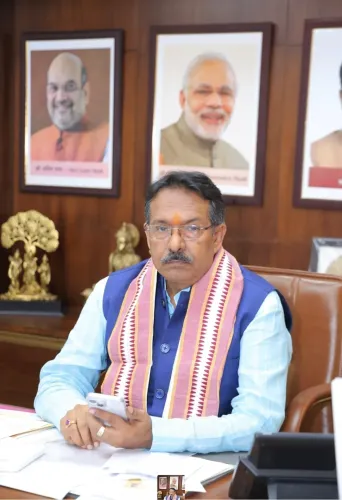
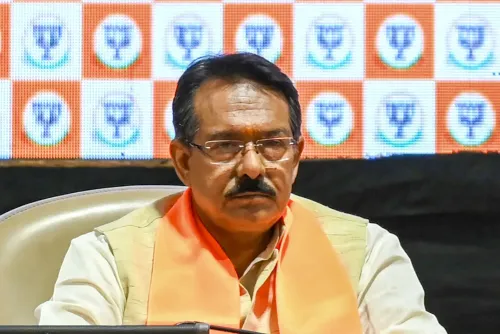
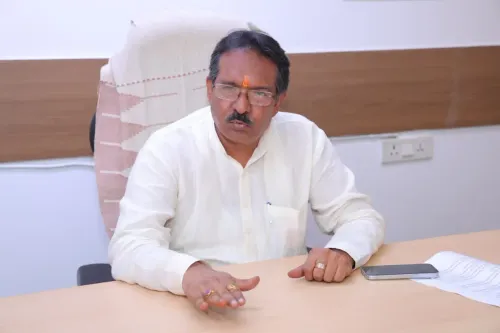
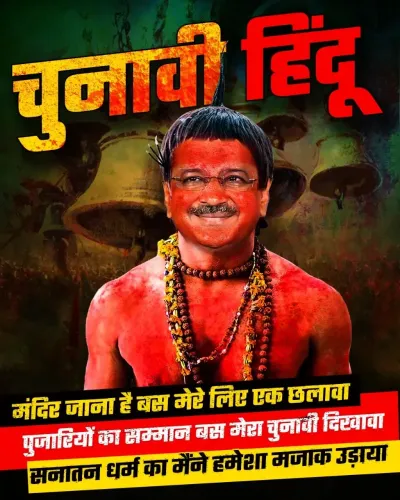
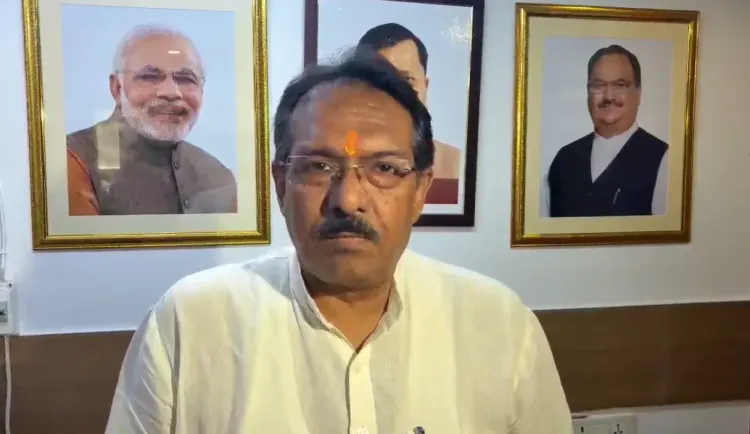
Delhi Bharatiya Janata Party (BJP) President Harsh Malhotra on Sunday, 12 July labelled Aam Aadmi Party (AAP) National Convenor Arvind Kejriwal a 'Political Hindu', dismissing the former Chief Minister's Shri Sundarkand Paath programme in Rohini as a calculated gimmick aimed at influencing voters ahead of upcoming state elections, including in Punjab.
What Malhotra Said
'Whenever Kejriwal finds himself politically cornered, he attempts to improve his political standing by organising Shri Sundarkand recitations in Delhi,' Malhotra said, pointing to what he described as an unfulfilled promise by the AAP convenor to hold such religious gatherings at over 2,000 locations.
The Delhi BJP chief argued that Kejriwal's current overtures toward Hindu religious events directly contradict his earlier stated position — that he would never visit Ayodhya because of what Kejriwal had called the site's 'disputed past'. Malhotra also recalled a speech in which Kejriwal, quoting his maternal grandmother, had reportedly said he did not wish to visit a temple he believed had been built after demolishing a mosque.
The 2024 Sundarkand Paath Record
Malhotra cited a specific pattern of alleged non-delivery. After the construction of the Shri Ram Temple in Ayodhya in 2024, the then-AAP government announced weekly Shri Sundarkand Paath programmes across all 70 Assembly constituencies of Delhi. According to Malhotra, recitations were held in around 50 constituencies on 16 January 2024, after which only a handful of programmes took place before the initiative was quietly discontinued.
In March 2024, the AAP government further announced that the Sundarkand Paath would be organised simultaneously at 2,600 locations. Malhotra claimed the recitation did not take place at 26 locations, and the broader programme was eventually abandoned without explanation.
Punjab Angle and Electoral Context
The BJP leader directly linked Sunday's Rohini event to electoral calculations beyond Delhi. 'It is a clear effort to influence Hindu voters of Punjab and other states where elections are due in the near future, as he can already see the writing on the wall after the outcomes in West Bengal and Assam,' Malhotra said.
This comes amid heightened political activity across multiple states, with parties recalibrating their outreach strategies ahead of assembly polls. Critics argue that invoking religious symbolism at politically sensitive moments is a well-worn tactic across party lines — but Malhotra insisted the pattern is uniquely pronounced with Kejriwal.
AAP's Position and What Comes Next
AAP has not issued an immediate public response to Malhotra's remarks, according to available reports. Kejriwal's decision to hold the Rohini Sundarkand Paath on 12 July is likely to draw further scrutiny as Punjab's political calendar heats up. Whether AAP revives or expands the religious outreach programme beyond this single event will be closely watched by both supporters and political rivals.
Point of View
But it cuts both ways. The BJP itself has made Hindu religious symbolism central to its political identity, which makes the attack on Kejriwal for doing the same inherently contradictory. The more substantive allegation — that AAP's 2024 Sundarkand Paath programme collapsed after a single round — is verifiable and, if accurate, gives the charge real political traction beyond rhetoric. What this episode underscores is that in Indian electoral politics, the question is rarely whether a party invokes religion, but whether it can do so credibly. Kejriwal's documented reversal on Ayodhya remains his most exposed flank, and no amount of Rohini recitations is likely to close it without a direct accounting.
NationPress
11 Oct 2026
Frequently Asked Questions
Why did Delhi BJP chief Harsh Malhotra call Arvind Kejriwal a 'Political Hindu'?
Malhotra used the term to argue that Kejriwal adopts Hindu religious symbolism only when politically cornered, citing the Rohini Sundarkand Paath as the latest example. He contrasted it with Kejriwal's earlier statement that he would not visit Ayodhya due to its 'disputed past'.
What is the Shri Sundarkand Paath programme that AAP announced in 2024?
In early 2024, the then-AAP government announced weekly Sundarkand Paath recitations across all 70 Delhi Assembly constituencies. According to Malhotra, events were held in around 50 constituencies on 16 January 2024, after which the programme was quietly discontinued.
Why is BJP linking the Rohini event to Punjab elections?
Malhotra alleged that Kejriwal is using the Rohini Sundarkand Paath to signal Hindu religious credentials to voters in Punjab and other states with upcoming assembly elections, rather than out of genuine devotion.
What did Kejriwal previously say about the Ram Temple in Ayodhya?
According to Malhotra, Kejriwal had earlier said he would not visit Ayodhya because of the site's 'disputed past', and in a speech had quoted his maternal grandmother to suggest he did not wish to visit a temple he believed was built after demolishing a mosque. After the Ram Temple's construction in 2024, Kejriwal's position reportedly shifted.
Has AAP responded to Malhotra's allegations?
No immediate public response from AAP was available at the time of reporting. The party has not yet commented on Malhotra's specific claims about the 2024 Sundarkand Paath programme falling short of its announced targets.