YouTuber Maridhas arrested in Tamil Nadu: BJP slams TVK govt over free speech
Synopsis
Tamil Nadu police arrested YouTuber Maridhas in Madurai over videos targeting CM C. Joseph Vijay and TVK leaders, with the ruling party citing AI-generated defamatory content. The BJP's Vanathi Srinivasan fired back, calling it a constitutional assault on free speech — and alleging the TVK is now mirroring the very tactics it once condemned under the DMK.
Key Takeaways
YouTuber Maridhas was arrested by police at his residence in Madurai on 8 June over videos targeting Chief Minister C.
Joseph Vijay and TVK leaders.
Ruling party members alleged the videos used AI-generated content and contained defamatory remarks against government figures.
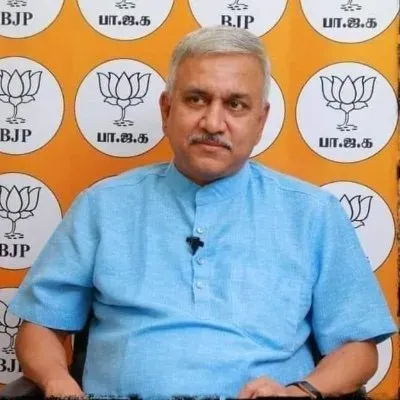
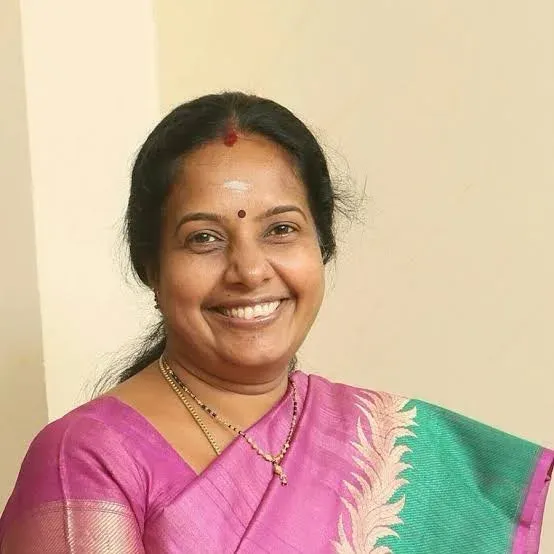
BJP National Women's Wing president Vanathi Srinivasan called the arrest 'highly condemnable' and an attack on freedom of speech.
Srinivasan alleged the TVK government is replicating suppression tactics previously criticised under the DMK regime.
The arrest is expected to intensify the political debate around social media criticism, defamation law, and AI content in Tamil Nadu .
YouTuber Maridhas was arrested by Tamil Nadu police at his residence in Madurai following complaints that he posted videos targeting Chief Minister C. Joseph Vijay, several Tamilaga Vettri Kazhagam (TVK) ministers, and ruling party MLAs. The arrest on Monday, 8 June triggered sharp political backlash, with the Bharatiya Janata Party (BJP) accusing the state government of weaponising law enforcement to silence dissent.
What Led to the Arrest
Ruling party members alleged that Maridhas deployed artificial intelligence (AI)-generated content in his videos and made defamatory remarks against government leaders. Police acted on these complaints and detained him from his Madurai home. The YouTuber had been running a channel that routinely criticised the functioning of the TVK administration.
BJP's Condemnation
Vanathi Srinivasan, BJP National Women's Wing president and former Coimbatore South MLA, described the arrest as 'highly condemnable' in a statement posted on social media. She alleged that Maridhas was detained merely for questioning the TVK government — which she termed a 'reels-model government' — and argued that highlighting a government's failures is a fundamental right guaranteed under the Constitution. 'Criticism should be countered with answers and responses, not with arrests,' she said.
Pattern of Suppression, BJP Alleges
Srinivasan further alleged that the TVK government was replicating tactics that opposition parties had themselves condemned during the previous Dravida Munnetra Kazhagam (DMK) regime — specifically, the use of police action and intimidation against social media critics. She argued that no democratic government should resort to coercive measures to suppress dissenting voices, and that accountability demands openness to public scrutiny.
Broader Implications
The arrest comes at a time when the boundaries of permissible online criticism of elected governments are being actively contested across Indian states. The use of AI-generated content in political commentary adds a newer legal dimension to an already fraught debate. Notably, this is not the first instance in Tamil Nadu where a social media commentator has faced police action over content targeting ruling party figures.
The confrontation between the TVK administration and opposition parties over freedom of expression, the limits of defamation law, and the role of AI in political content is expected to intensify in the days ahead.
Point of View
The legal grey zone around AI-generated content, and the recurring instinct of ruling parties — across ideological lines — to reach for the police when criticism stings. The BJP's invocation of the DMK precedent is politically convenient but not without substance; Tamil Nadu has a documented history of using defamation and IT Act provisions against social media commentators regardless of which party holds power. What is new here is the AI angle — if courts begin treating algorithmically generated content as a distinct aggravating factor in defamation cases, it could set a precedent with sweeping consequences for digital political commentary nationwide. The TVK government has not yet offered a detailed public defence of the arrest beyond the complaints filed, which leaves the accountability gap wide open.
NationPress
23 Oct 2026
Frequently Asked Questions
Why was YouTuber Maridhas arrested in Tamil Nadu?
Maridhas was arrested by Tamil Nadu police at his Madurai residence following complaints that he posted videos targeting Chief Minister C. Joseph Vijay and TVK leaders. Ruling party members alleged the videos contained AI-generated content and defamatory remarks against government figures.
Who is Vanathi Srinivasan and why did she react?
Vanathi Srinivasan is the BJP National Women's Wing president and a former MLA from Coimbatore South. She condemned the arrest as an attack on free speech, arguing that criticising a government is a constitutionally guaranteed right and that arrests should not be used to silence dissent.
What role did AI-generated content play in the case?
TVK members alleged that Maridhas used artificial intelligence to generate content in his videos, which they claimed crossed into defamation. This AI angle adds a newer legal dimension to the case, as courts have not yet established clear standards for AI-assisted political commentary.
Has Tamil Nadu seen similar arrests of social media critics before?
Yes, Tamil Nadu has a history of police action against social media commentators targeting ruling party figures, under both the DMK and previous administrations. The BJP has alleged that the TVK government is continuing this pattern rather than breaking from it.
What happens next in the Maridhas case?
The political confrontation over the arrest is expected to escalate, with freedom of expression, defamation law, and AI content likely to remain central to the debate. Legal proceedings against Maridhas are ongoing, and opposition parties are expected to keep pressure on the TVK government over the matter.