Has the Bribery Racket in the CGST Office of Jhansi Been Exposed?
Synopsis
In a decisive move against corruption, the CBI has uncovered a bribery scheme within the CGST office in Jhansi. An IRS officer and four others were arrested for soliciting bribes to manipulate GST cases. This crackdown reflects the ongoing fight for integrity in tax administration, raising alarms about transparency in GST enforcement.
Key Takeaways
CBI exposes a bribery network in CGST office Jhansi.
IRS officer among five arrested for corruption.
Rs 1.5 crore bribe demand revealed during investigation.
Operation signifies ongoing integrity challenges in tax administration.
CBI emphasizes zero-tolerance policy towards public office corruption.
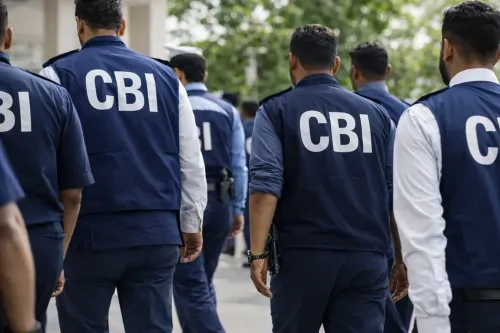
Jhansi, Dec 31 (NationPress) In a crucial initiative against corruption, the Central Bureau of Investigation (CBI) has successfully dismantled a bribery operation within the Central Goods and Services Tax (CGST) office located in Jhansi, Uttar Pradesh.
The agency apprehended a senior Indian Revenue Service (IRS) officer, known as Deputy Commissioner Prabha Bhandari (2016 batch), alongside two Superintendents, a lawyer, and the proprietor of a private firm; Ajay Sharma, Anil Kumar Tiwari (Superintendents CGST, Jhansi), Naresh Kumar Gupta (GST Advocate), and Rajendra Kumar Mangtani, owner of Jai Ambey Plywood.
This operation commenced on December 30, following allegations of soliciting an unwarranted sum of Rs 1.5 crore.
The implicated officials purportedly demanded the bribe to provide advantages to private companies embroiled in GST evasion cases, thereby jeopardizing ongoing investigations and settlements.
CBI operatives executed a carefully planned sting operation, capturing the two Superintendents in the act of accepting Rs 70 lakh in cash. This sum was allegedly received on behalf of the Deputy Commissioner, who orchestrated the scheme.
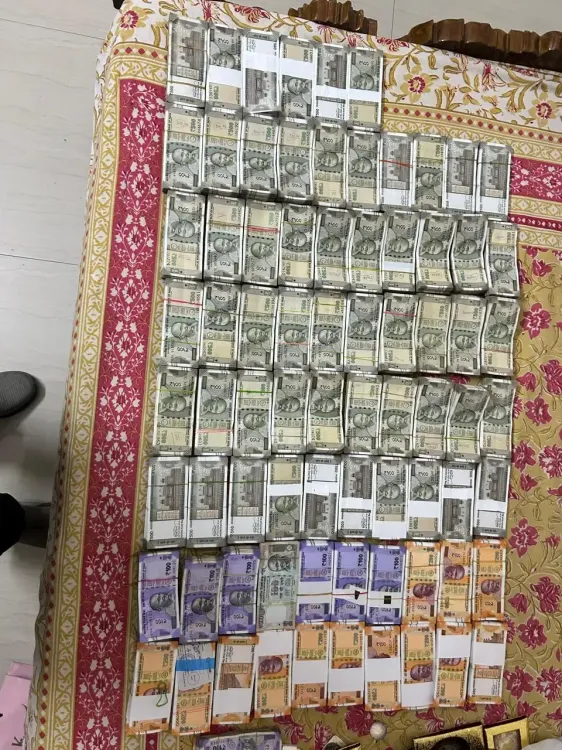
Subsequent to the arrests, extensive searches at residences and properties associated with the suspects uncovered significant recoveries: around Rs 90 lakh in additional cash, property documents, jewelry, and bullion.
The total amount of cash confiscated stands at Rs 1.60 crore, with ongoing searches aimed at revealing further assets.
Sources suggest that the racket involved collusion between tax officials, legal intermediaries, and private entities to manipulate GST processes for financial gain.
These arrests emphasize the ongoing difficulties in preserving integrity within tax administration, despite reforms implemented after the introduction of GST.
The accused, including the IRS officer, will be presented before the appropriate court following necessary medical examinations.
The CBI has reiterated that the investigation is still active, with the potential for further discoveries and the attachment of illicit assets.
This operation underscores the agency's unwavering stance against corruption in public sectors, particularly within Revenue Departments that manage high-stakes tax issues.
It serves as a serious warning amid increasing scrutiny concerning transparency in GST enforcement.
Point of View
I recognize the gravity of the CBI's operation in Jhansi. This incident reveals persistent corruption challenges in tax administration, underscoring the importance of transparency in our revenue systems. The public must remain vigilant and demand accountability from public officials.
NationPress
30 Sept 2026
Frequently Asked Questions
What was the main issue uncovered by the CBI in Jhansi?
The CBI uncovered a bribery racket operating within the CGST office in Jhansi, leading to the arrest of an IRS officer and several accomplices.
How much money was involved in the bribery scheme?
The scheme involved demands for a bribe of Rs 1.5 crore, with Rs 70 lakh caught during the sting operation.
What actions did the CBI take in this operation?
The CBI arrested key individuals, including a senior IRS officer, and conducted extensive searches that led to the recovery of significant amounts of cash and assets.
Why is this operation significant?
This operation highlights ongoing issues of corruption within tax administration, emphasizing the need for reform and accountability.
What does this mean for future GST enforcement?
The crackdown signifies a serious warning regarding corrupt practices and the need for transparency in GST enforcement.