How Does the Budget Sustain Reform Momentum with a People-Centric Approach? KPMG in India CEO Explains
Synopsis
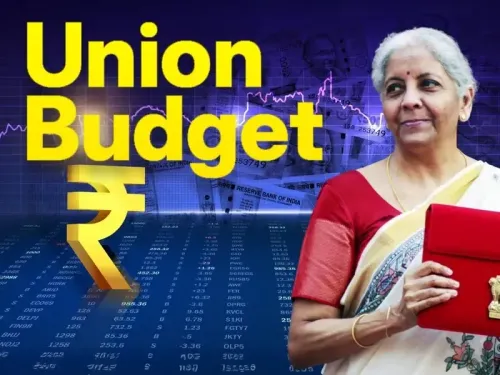
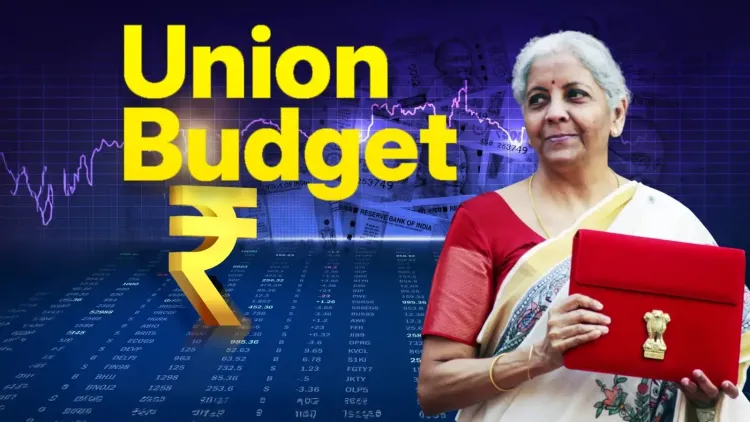
The Union Budget 2026-27 maintains a reformative momentum through a people-centric lens, as articulated by KPMG in India’s CEO. Discover how the government aims to balance fiscal responsibility with growth and inclusivity while enhancing India's position in global value chains.
Key Takeaways
People-centric approach for reform.
Focus on stability and inclusivity .
Investment in strategic sectors .
Support for Champion MSMEs .
Strengthening BFSI sector .
New Delhi, Feb 2 (NationPress) The Union Budget 2026-27 continues to promote reform momentum by adopting a people-centric approach that emphasizes stability, inclusivity, and long-term value creation, stated Yezdi Nagporewalla, CEO of KPMG in India, on Monday.
This Budget articulates a clear and assured vision of the government’s dedication to shaping a developed India, successfully balancing fiscal responsibility with sustained investment in growth, resilience, and inclusion.
“Maintaining the fiscal deficit glide path, despite global trade and supply-chain challenges, highlights the strength of India’s macroeconomic fundamentals and policy credibility,” he remarked.
Additionally, the focus on advancing strategic and emerging sectors, including ISM 2.0 for semiconductors, a long-term vision for rare earth ecosystems, and tax incentives for hyperscalers investing in India, indicates a concerted effort to convert potential into concrete results through robust, high-value domestic capabilities, Nagporewalla noted.
These initiatives are crucial for reducing import reliance and enhancing India’s role in global value chains, he added.
Moreover, the emphasis on fostering ‘Champion MSMEs’ through equity investments, liquidity support, and professional guidance is particularly encouraging.
The SME growth fund, coupled with targeted compliance and skill development initiatives, is set to assist businesses that are vital for job creation and regional economic advancement—helping them fulfill their ambitions, he stated.
Incentives like the tax holiday for global cloud and data center services further bolster India's reputation as a dependable digital and technology hub.
Sunil Badala, National Head of Tax at KPMG in India, remarked that the Budget provides a strong, forward-thinking impetus for the BFSI sector, showcasing the government’s commitment to financial stability, deeper capital markets, and simplified tax administration.
“The proposal to establish a High-Level Committee on Banking for Viksit Bharat represents a significant structural reform aimed at enhancing governance, improving financial resilience, and aligning credit delivery and inclusion with India’s next phase of economic growth,” Badala added.
In summary, Budget 2026 fortifies governance, deepens markets, and alleviates compliance burdens—positioning India’s BFSI sector for a more competitive and globally integrated future, he concluded.
Point of View
It is imperative to recognize the significance of the Union Budget's focus on a people-centric approach aimed at stability and inclusiveness. The insights from KPMG's leadership underscore a commitment to fostering growth while ensuring accountability, which aligns with Nation's vision of a prosperous future for all citizens.
NationPress
29 Sept 2026
Frequently Asked Questions
What is the key focus of the Union Budget 2026-27?
The Union Budget 2026-27 focuses on a people-centric approach emphasizing stability, inclusivity, and long-term value creation.
How does the Budget aim to enhance India's economic growth?
The Budget aims to enhance economic growth by balancing fiscal responsibility with investments in strategic sectors and supporting SMEs.
What initiatives are included for MSMEs?
The Budget includes equity infusions, liquidity support, and professional assistance to develop 'Champion MSMEs.'
What is the role of the BFSI sector in this Budget?
The BFSI sector receives a forward-looking push aimed at ensuring financial stability and deeper capital markets.
What does KPMG's CEO say about India's macroeconomic fundamentals?
KPMG's CEO highlights the robustness of India's macroeconomic fundamentals, which remain strong despite global challenges.