Maharashtra CM Fadnavis Inaugurates 124 Health Institutions on Independence Day
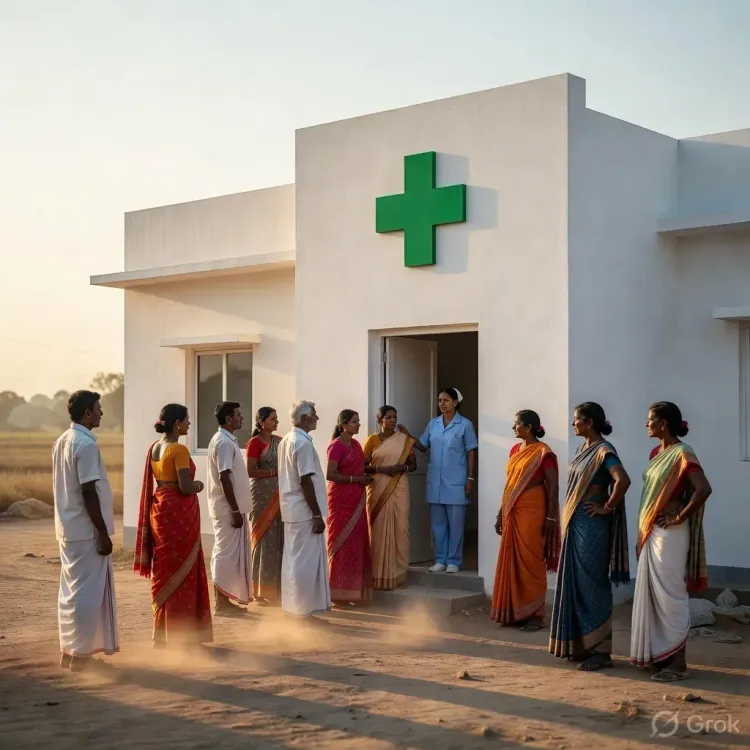
Synopsis
On Independence Day 2026, Maharashtra's Chief Minister's Office announced the simultaneous inauguration of 124 health institutions across the state, framing it as a historic step toward a healthier Maharashtra under CM Devendra Fadnavis and aligned with PM Modi's national health mission priorities.
Key Takeaways
124 health institutions were inaugurated across Maharashtra on August 15, 2026 .
The announcement was made by the Chief Minister's Office of Maharashtra , tagging both PM Narendra Modi and CM Devendra Fadnavis .
The Marathi term loka'rpan ('dedication to the people') was used, signalling a public-first framing of the event.
The move aligns with Ayushman Bharat policy lineage, which has targeted primary and secondary health infrastructure upgrades since 2018 .
Operational rollout and staffing of the new facilities will be the key metric to track in subsequent state health budget cycles.
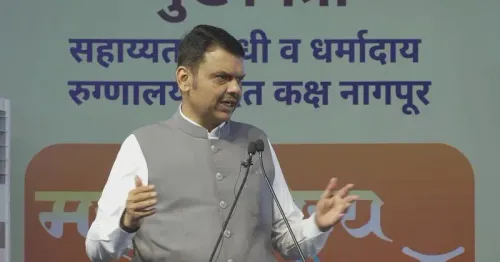
On Independence Day, August 15, 2026, Maharashtra took a landmark step toward universal public healthcare — unveiling 124 health institutions across the state in a single, sweeping inauguration. The Chief Minister's Office of Maharashtra announced the event, tagging both Prime Minister Narendra Modi and Chief Minister Devendra Fadnavis, signalling the dual political weight behind the moment.
124 Institutions, One Day: What the Scale Signals
Inaugurating 124 health facilities simultaneously is not a routine ribbon-cutting. It reflects a deliberate strategy — using the symbolic gravity of Independence Day to anchor a state-wide health infrastructure push. The Marathi phrase 'निरोगी महाराष्ट्राच्या दिशेने ऐतिहासिक पाऊल' ('a historic step toward a healthy Maharashtra') frames this not as an administrative milestone but as a civilisational commitment. The word 'लोकार्पण' — meaning 'dedication to the people' — carries a specific weight in Indian political tradition: these facilities are being handed to citizens, not merely opened by officials.
Modi, Fadnavis, and Maharashtra's Health Mission
The tagging of Prime Minister Narendra Modi alongside Chief Minister Devendra Fadnavis is deliberate. Maharashtra has been an active participant in successive phases of national health missions, including the Ayushman Bharat scheme launched in 2018, which targeted upgrades to primary and secondary health infrastructure at the district and sub-district level. Today's inaugurations fit squarely into that policy lineage — state capacity expanding in step with central government priorities.
Why Independence Day Is the Chosen Moment
Indian states have long used August 15 as a launchpad for flagship announcements, knowing the day commands maximum public attention. For Maharashtra — a state of 120 million-plus residents with vast rural health gaps — a mass inauguration on this date is a statement of political intent as much as administrative delivery. The question that follows every such announcement is the one that matters most: how quickly do these facilities become fully operational, staffed, and equipped?
Watch for the operational status of these 124 institutions to surface in upcoming state health budget reviews — that is where the promise meets the pavement.
Point of View
Central vision. The real test, however, lies beyond the inauguration: Maharashtra's rural health infrastructure has historically struggled with staffing and supply-chain gaps that no ribbon-cutting resolves. If these facilities become functional within a defined timeline, it marks genuine progress; if not, the announcement risks becoming another data point in the pattern of aspirational health pledges that outpace ground reality.
NationPress
30 Sept 2026
Frequently Asked Questions
How many health institutions were inaugurated in Maharashtra on Independence Day 2026?
124 health institutions were inaugurated across Maharashtra on August 15, 2026 , as announced by the Chief Minister's Office.
Who inaugurated the 124 health centres in Maharashtra?
The inauguration was announced by the Chief Minister's Office of Maharashtra , with Chief Minister Devendra Fadnavis and Prime Minister Narendra Modi both tagged in the official post.
What does 'nirogee Maharashtra' mean?
Nirogee Maharashtra is a Marathi phrase meaning 'healthy Maharashtra' — it is the vision framing the state's push to expand and upgrade public healthcare infrastructure.
How does this relate to Ayushman Bharat?
Maharashtra has been an active participant in the Ayushman Bharat scheme since its 2018 launch, which funds upgrades to primary and secondary health facilities at the district level. The mass inauguration aligns with that central government policy framework.
Why do Indian states announce projects on Independence Day?
August 15 commands maximum public and media attention in India, making it a preferred date for states to announce flagship initiatives and signal political intent on key issues like healthcare and infrastructure.