California Assembly adopts Diwali resolution, honours Indian American diaspora
Synopsis
California's State Assembly has formally adopted a Diwali resolution honouring Indian Americans and the global Indian diaspora — designating 8 November as this year's festival date and calling Diwali one of the world's oldest celebrations. Introduced by Assembly members Darshana Patel and Ash Kalra, the move reflects the growing legislative recognition of South Asian cultural identity in the United States.
Key Takeaways
The California State Assembly adopted House Resolution 137 recognising Diwali and honouring Indian Americans and the global Indian diaspora .
This year's Diwali is designated as 8 November ; all Californians are encouraged to participate in celebrations.
The resolution was introduced on 13 August by Assembly members Darshana Patel and Ash Kalra .
The Hindu American Foundation was consulted on the bill language and welcomed the adoption publicly.
The resolution recognises Hindus, Sikhs, Buddhists, and Jains as communities that celebrate Diwali annually.
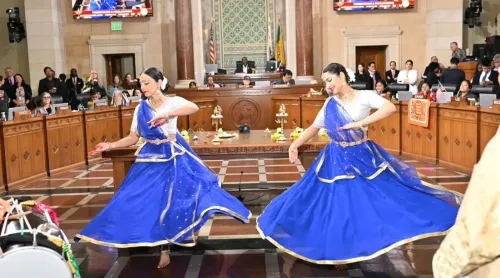
The California State Assembly has adopted House Resolution 137, formally recognising Diwali and expressing its 'deepest respect' for Indian Americans and the Indian diaspora across the state and around the world. The resolution designates 8 November as this year's Diwali date and encourages all Californians to participate in the celebrations.
How the Resolution Came About
Assembly members Darshana Patel and Ash Kalra introduced the measure on 13 August, drawing a broad coalition of co-authors from across the State Assembly. The resolution was subsequently considered and cleared by the Assembly Committee on Rules before being formally adopted. Its wide legislative backing signals growing political recognition of South Asian communities in California.
What the Resolution Says
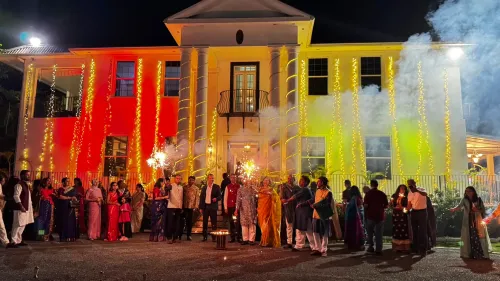
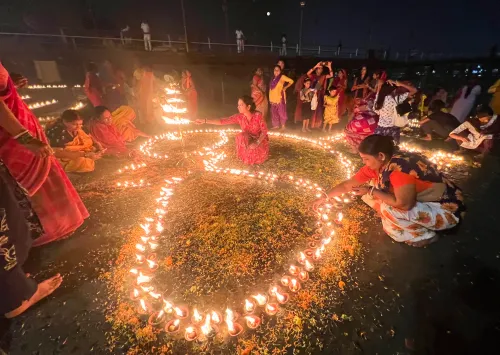
The resolution describes Diwali — also known as Deepavali, meaning 'a row of lamps' — as one of the world's oldest festivals, celebrated annually by Hindus, Sikhs, Buddhists, and Jains across the United States and globally. It identifies generosity, unity, joy, appreciation, and reflection as the celebration's central values, and characterises the festival's lamps as representing 'the defeat of darkness and the victory of light.'
The document further notes that for many communities, Diwali marks the beginning of a new year — a period to commit to knowledge, growth, and happiness. It underscores the festival's role in promoting wisdom, kindness, and transformation through family gatherings and shared traditions.
Hindu American Foundation's Role
The Hindu American Foundation announced the adoption in a social media post, calling it a milestone for the community. 'California's Diwali Resolution has officially been ADOPTED!' the organisation said. It thanked Assembly members Patel and Kalra 'for their leadership in recognising the significance of Diwali and advancing this important resolution,' and added: 'Special thanks to Asm. Patel's office for reaching out to us for consultation on the bill language. We're grateful for the opportunity to contribute.'
Significance for Indian Americans
California is home to one of the largest Indian American populations in the United States, making the resolution particularly significant for the community. Notably, this move reflects a broader trend of US state legislatures formally acknowledging South Asian cultural milestones — a recognition that carries both symbolic weight and political resonance ahead of future electoral cycles. The resolution is non-binding but sends a clear message of inclusion from the state's legislative body.
With Diwali 2025 approaching on 8 November, communities across California are expected to organise public celebrations, lighting events, and cultural programmes in the spirit the resolution encourages.
Point of View
But its symbolism should not be underestimated — California's legislative nod to Diwali reflects the growing electoral weight of Indian Americans in a state with one of the country's largest South Asian populations. What stands out is the Hindu American Foundation's direct consultative role in drafting the bill language, a sign that diaspora advocacy groups are operating with increasing institutional access. The broader pattern is clear: South Asian cultural recognition is moving from community halls into legislative chambers. The real test will be whether symbolic resolutions translate into substantive policy representation for Indian Americans at state and federal levels.
NationPress
6 Oct 2026
Frequently Asked Questions
What is California's House Resolution 137 on Diwali?
House Resolution 137 is a resolution adopted by the California State Assembly formally recognising Diwali and expressing the state's 'deepest respect' for Indian Americans and the Indian diaspora. It designates 8 November as this year's Diwali date and encourages Californians to join in the celebrations.
Who introduced the California Diwali resolution?
Assembly members Darshana Patel and Ash Kalra introduced the resolution on 13 August. It drew a broad group of co-authors from across the State Assembly before being cleared by the Assembly Committee on Rules.
Which communities does the Diwali resolution recognise?
The resolution recognises Hindus, Sikhs, Buddhists, and Jains as communities that celebrate Diwali annually across the United States and around the world. It describes the festival as one of the world's oldest holidays.
What role did the Hindu American Foundation play?
The Hindu American Foundation was consulted on the bill language by Assembly member Patel's office and publicly welcomed the resolution's adoption. The organisation announced the news on social media, thanking Patel and Kalra for their leadership.
Is the California Diwali resolution legally binding?
No, House Resolution 137 is a symbolic, non-binding resolution. It does not create law or allocate funds but formally expresses the California State Assembly's recognition of Diwali and its respect for Indian American and South Asian communities.