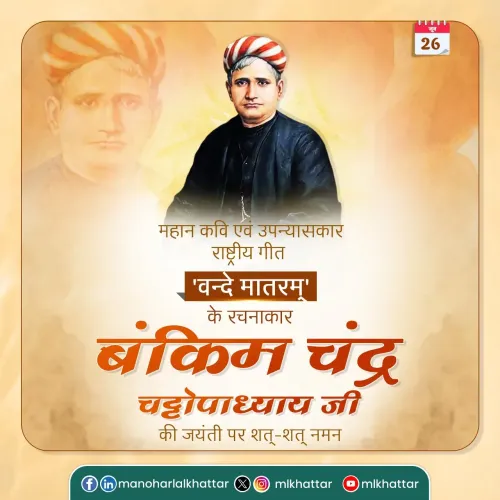
Should the Centre Restore the Deteriorating Home of Bankim Chandra Chattopadhyay?
Synopsis
BJP MP Govind Laljibhai Dholakia has called for urgent action to restore the neglected Kolkata home of Bankim Chandra Chattopadhyay. As India celebrates the 150th anniversary of Vande Mataram, this plea highlights the importance of preserving cultural heritage. Learn more about the ongoing debate in Parliament and the implications for India's literary legacy.
Key Takeaways
Govind Laljibhai Dholakia calls for government intervention.
The home of Bankim Chandra Chattopadhyay is at risk of collapse.
Preserving cultural heritage is vital for future generations.
A restored site could facilitate cultural and social activities .
Prime Minister Modi highlights historical political implications.
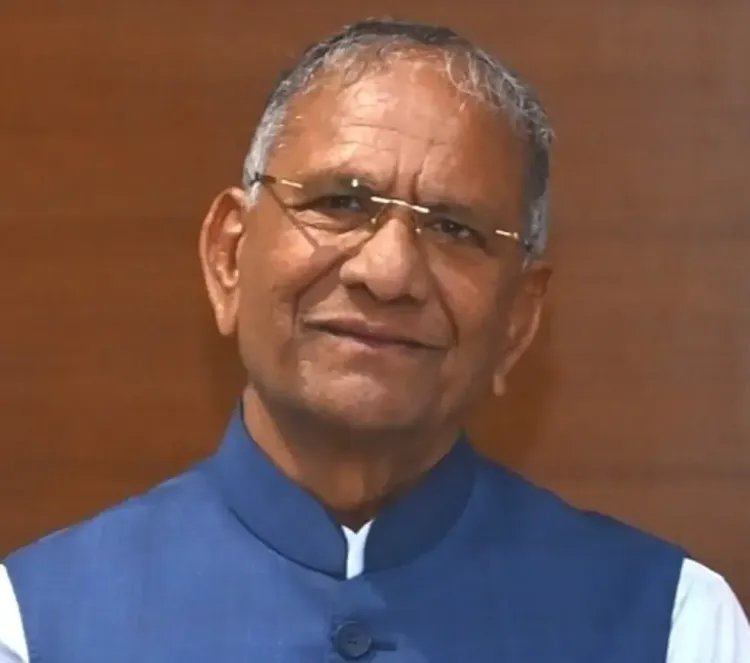
New Delhi, Dec 8 (NationPress) In a special session of Parliament commemorating the 150th anniversary of Vande Mataram, BJP MP Govind Laljibhai Dholakia expressed his concerns regarding the dilapidated condition of the Kolkata residence of Bankim Chandra Chattopadhyay, the esteemed author of this iconic national anthem.
During his remarks in Zero Hour, Dholakia highlighted the unfortunate neglect of a location tied to a pivotal figure in India's freedom struggle.
He informed the assembly that the structure, linked to one of the most significant patriotic songs in India's independence history, is now dangerously deteriorating, posing a risk of further damage or even collapse.
“The Central government must step in to restore this house with due respect to his legacy,” Dholakia urged.
He stressed that maintaining such historical sites is crucial for keeping the heritage of our national icons alive for the generations to come.
Furthermore, he noted that a revitalized location could act as a hub for cultural and social initiatives, enabling “social work to continue in his honor” and aiding in the immortalization of Bankim Chandra’s contributions.
His comments come amidst increasing demands from historians and heritage advocates to protect the nation’s literary and cultural sites, many of which suffer from similar neglect. The government is anticipated to consider this issue as part of its broader heritage conservation efforts.
Prime Minister Narendra Modi delivered a pointed critique of the Congress party during a Lok Sabha debate marking 150 years of Vande Mataram, accusing former Prime Minister Jawaharlal Nehru of siding with Muhammad Ali Jinnah regarding objections to the national anthem and “catering to communal sentiments.”
In his opening remarks, Modi referred to a letter Nehru had sent to Netaji Subhas Chandra Bose, warning that Vande Mataram could “provoke and irritate Muslims” and recommending a reconsideration of its use.
“This is significant, considering that Vande Mataram originated in Bankim Chandra’s Bengal,” he stated.
The Prime Minister also connected the national anthem to the 1975 Emergency imposed by Indira Gandhi, noting that when Vande Mataram marked its centenary, “the Constitution was stifled, and those who lived for patriotism were imprisoned.”
He urged Parliament not to overlook the current opportunity to “restore the glory of Vande Mataram.”
Point of View
My perspective aligns with the nation's commitment to preserving its cultural heritage. The calls for restoration of Bankim Chandra Chattopadhyay's home are not only about safeguarding a physical structure but also about honoring the legacy of those who shaped our freedom and identity. It's crucial that we act decisively to protect these national treasures for future generations.
NationPress
20 Oct 2026
Frequently Asked Questions
Why is the home of Bankim Chandra Chattopadhyay significant?
Bankim Chandra Chattopadhyay is the author of Vande Mataram, an iconic national song that played a crucial role in India's independence movement.
What did BJP MP Govind Laljibhai Dholakia propose?
Dholakia proposed that the Central government should restore the dilapidated home of Bankim Chandra in Kolkata to honor his legacy.
What is the current condition of the home?
The home is in a dilapidated state , posing risks of further damage or collapse, indicating urgent need for restoration.
What broader issue does this highlight?
This situation reflects the neglect of many cultural and literary landmarks across India, prompting calls for heritage conservation.
What did Prime Minister Modi say related to this topic?
Modi criticized Nehru's past remarks about Vande Mataram, linking them to a broader narrative on the importance of the national anthem.