Should Candidates Be Disqualified for Unauthorized Digital Signature Use?

Synopsis
Shiv Sena MP Milind Deora raises concerns over unauthorized digital signatures on nomination forms, urging the SEC to disqualify affected candidates. This issue emerges amidst a critical election season in Maharashtra, potentially jeopardizing the integrity of the electoral process. The SEC's stance is awaited, as parties grapple with internal conflicts.
Key Takeaways
Milind Deora has filed an objection with the SEC regarding unauthorized digital signatures.
Forms A and B are essential for candidate nominations.
The integrity of the electoral process is under scrutiny.
Digital signatures may lead to disqualification of candidates.
Political alliances in Maharashtra are facing challenges during elections.
Mumbai, Dec 31 (NationPress) Shiv Sena MP Milind Deora formally addressed the State Election Commission (SEC) on Wednesday, seeking the disqualification of multiple candidates due to purported unauthorized digital signature usage on essential nomination papers.
In his correspondence to the SEC, Deora pointed out significant procedural irregularities concerning the issuance and authentication of Form A and Form B.
"These documents are vital for elections. Form A empowers party officials to nominate candidates, while Form B identifies the officially sanctioned candidate entitled to use the party's reserved symbol," he stated.
Deora argued that numerous political entities have been submitting these forms with digital or computerized signatures, a procedure he claims contradicts the SEC's established regulations.
He emphasized that current guidelines mandate these forms to bear the physical signatures of authorized party representatives.
"The application of digital signatures undermines the sanctity, transparency, and integrity of the electoral process," Deora expressed in his appeal.
He contended that candidates using digitally signed forms have effectively filed nominations without proper authorization.
As a result, Deora has requested the SEC to annul all Forms A and B filed through digital or computerized signatures, reject those nominations, and disqualify any candidates who submitted such forms. He also called for urgent clarifications to Returning Officers to ensure strict compliance with physical signature requirements.
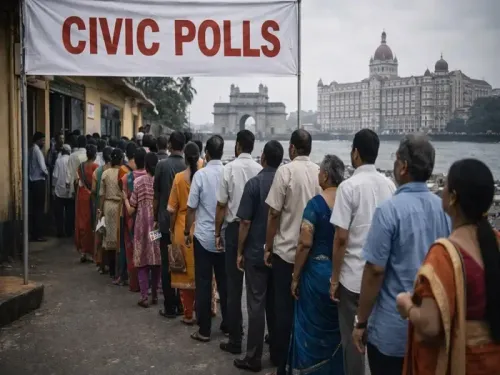
This objection arises during a critical election period for Maharashtra's local governing bodies, including municipal corporations and councils.
Deora cautioned that acceptance of digital signatures could create a dangerous precedent and provide an unlawful advantage to parties circumventing traditional verification methods. The State Election Commission has not yet responded officially to Deora's request.
In the meantime, the ruling Mahayuti alliance has been unable to reach consensus in 24 out of 29 municipal corporations. In these regions, the constituent parties (BJP, Shinde’s Shiv Sena, and Ajit Pawar's NCP) will vie against one another.
The affected municipalities encompass Jalna, Parbhani, Latur, Amravati, Pimpri-Chinchwad, Chhatrapati Sambhajinagar, Solapur, Akola, Malegaon, Nanded, Nagpur, Sangli, Nashik, Dhule, Pune, Mumbai, Thane, Ulhasnagar, Navi Mumbai, Mira-Bhayandar, Bhiwandi, and Vasai-Virar. The BJP-NCP (Ajit Pawar) alliance is restricted to only Akola, Ahilyanagar, and Panvel.
Conversely, the BJP-Shiv Sena (Shinde) alliance exists solely in Chandrapur, Nagpur, Mumbai, Thane, Kalyan-Dombivli, and Bhiwandi.
Moreover, the Mahayuti parties will directly compete in four locations: Ichalkaranji (friendly contests), Kolhapur, Jalgaon, and Panvel.
Point of View
I believe it's essential to uphold the integrity of our electoral processes. Milind Deora's objection highlights crucial challenges that need addressing. The use of digital signatures raises concerns about transparency and authenticity, which are pillars of democracy. Thus, it is imperative for the SEC to investigate this matter thoroughly to ensure fair elections.
NationPress
19 Sept 2026
Frequently Asked Questions
What are Forms A and B in elections?
Forms A and B are critical electoral documents that authorize party officials to nominate candidates and identify officially approved candidates, respectively.
Why are digital signatures controversial in this context?
Digital signatures are seen as a potential violation of the SEC's guidelines, which mandate physical signatures to ensure authenticity and prevent fraud.
What action is being requested by Milind Deora?
Deora is requesting the SEC to disqualify candidates who submitted forms with unauthorized digital signatures and to clarify the requirement for physical signatures.
What could be the implications of accepting digital signatures?
Accepting digital signatures could set a dangerous precedent, undermining the electoral process's integrity and providing unfair advantages to some parties.
What is the current political situation in Maharashtra?
The ruling Mahayuti alliance is facing internal conflicts, with parties contesting against each other in several municipalities, complicating the political landscape.