Could Canadian PM Carney's Upcoming Visit to India Signal a New Era in Bilateral Relations?
Synopsis
The anticipated visit of Canadian Prime Minister Mark Carney to India may herald a transformative phase in bilateral relations, focusing on economic cooperation, energy integration, and security challenges. This report explores the potential implications for trade and strategic partnerships between the two nations.
Key Takeaways
Economic Cooperation: The visit may enhance bilateral trade through a Comprehensive Economic Partnership Agreement.
Investment Flows: Canada is a significant source of foreign institutional investment in India.
Energy Integration: Cooperation in energy resources and clean technologies is expected to deepen.
Security Collaboration: The visit will address counter-terrorism efforts and security concerns.
Innovation Ecosystem: Growth in research collaborations and startup partnerships is anticipated.
New Delhi/Ottawa, Feb 12 (NationPress) India and Canada are not connected by geography or alliance frameworks, but rather by economic complementarity and shared interests in global governance—a relationship that has historically proven resilient, according to a report published on Thursday.
Former diplomat Sanjay Kumar Verma shared in 'India Narrative' that if current trajectories continue, the dynamics of India-Canada relations in the next decade will likely be influenced more by investment flows, energy integration, and supply chain collaborations rather than political fluctuations.
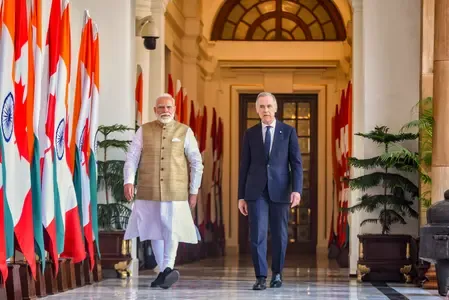
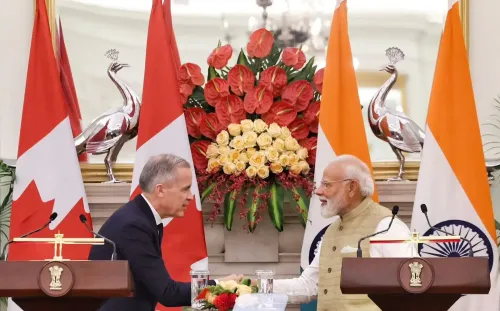
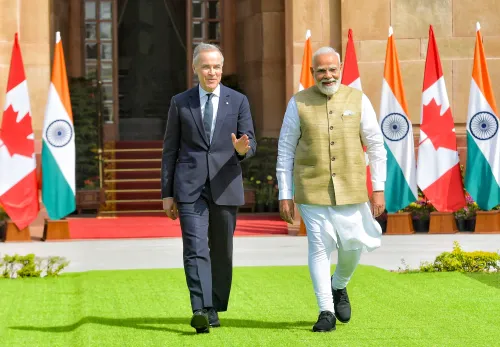
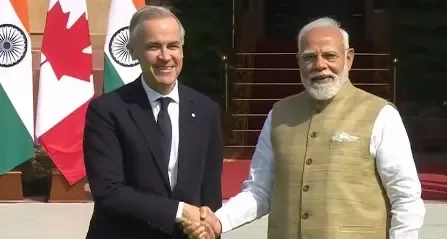
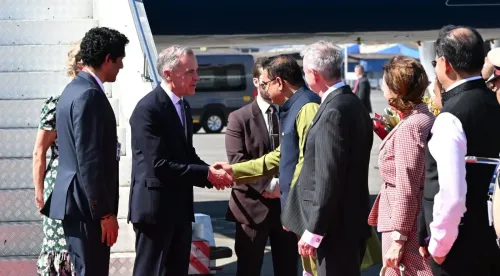
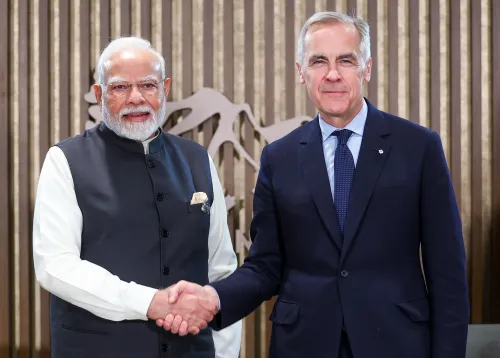
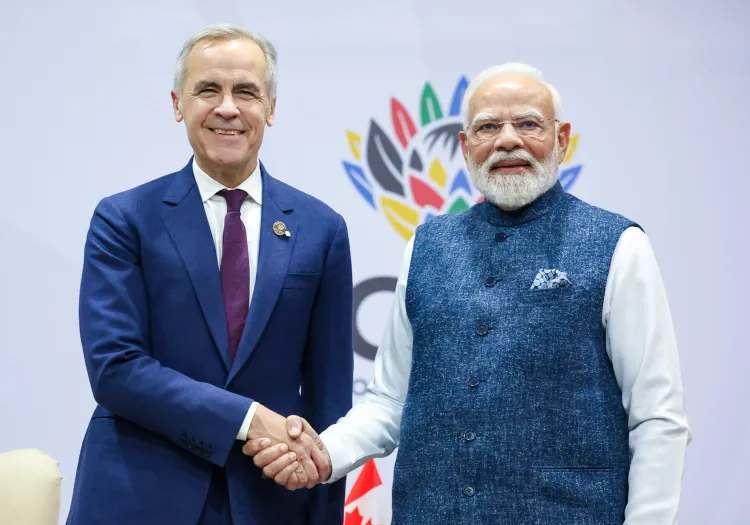
He noted that the forthcoming visit of Canadian Prime Minister Mark Carney to India could indicate a transition from stabilization to a more structured approach to enhancing bilateral relations, emphasizing trade frameworks, investment channels, and long-term energy integration.
Verma mentioned that the finalization of the Terms of Reference for a Comprehensive Economic Partnership Agreement could be a pivotal step toward institutionalizing economic collaboration between the two nations. Enhanced regulatory facilitation of Indian exports in pharmaceuticals, digital services, engineering goods, and refined petroleum products would significantly boost Indian market access in Canada.
In return, India is anticipated to further liberalize its market for Canadian exports, including energy resources, potash, pulses, timber, and advanced agricultural technology. Canadian institutional capital already stands as one of the top foreign institutional investments in India's infrastructure and renewable energy sectors. A structured trade framework could substantially increase bilateral trade volumes over the next decade, potentially doubling current levels if barriers related to tariffs, regulations, and mobility are progressively minimized,” Verma elaborated.
He also indicated that the visit is likely to aid in establishing a clearer economic, security, and strategic framework for the next phase of their partnership.
Energy cooperation is expected to deepen through structured hydrocarbon supply engagements and ongoing discussions about long-term uranium procurement to support India's civil nuclear expansion and clean energy requirements. Supply chain complementarities are anticipated to propel reciprocal market access discussions across agriculture, energy, advanced manufacturing inputs, and services trade.
“Collaborations in industrial and technology sectors are expected to grow, focusing on critical minerals processing, advanced materials, aerospace, digital technologies, and next-generation manufacturing ecosystems. Clean and green technology partnerships, including renewable energy integration, carbon management technologies, and emerging hydrogen value chains, could become foundational pillars of this relationship. Moreover, there is a likelihood of parallel growth in innovation ecosystems through research collaborations, startup partnerships, and advanced skills mobility,” Verma detailed.
Beyond economic objectives, the report emphasized that the visit is also anticipated to strengthen cooperation against security challenges, particularly in countering cross-border terrorism, including Khalistani networks and anti-India elements in Canada, along with their financing and transnational enablers.
It underscored that improved coordination among law enforcement and security agencies is expected to focus on intelligence sharing, disrupting illicit financial flows, and joint actions against organized crime and terror-related supply chains.
“At the multilateral level, both countries are also likely to reiterate their commitment to reform global governance institutions, including the United Nations, to better reflect modern geopolitical and economic realities, enhance counter-terror cooperation frameworks, and improve the efficacy of global development and security responses,” Verma noted.
Point of View
It's crucial to recognize the significance of international diplomacy in shaping India's future. The upcoming visit of Prime Minister Carney is not just about trade; it's an opportunity to strengthen security ties and enhance economic collaboration in a rapidly changing global landscape. Our commitment is to provide unbiased analysis that keeps our readers informed and engaged with these vital developments.
NationPress
9 Oct 2026
Frequently Asked Questions
What is the primary focus of PM Carney's visit to India?
The visit primarily aims to enhance economic ties, focusing on trade agreements, investment flows, and energy cooperation between India and Canada.
How might this visit impact bilateral trade?
The visit could lead to the finalization of the Comprehensive Economic Partnership Agreement, potentially doubling current bilateral trade volumes.
What role does energy cooperation play in this relationship?
Energy cooperation is expected to deepen, particularly in hydrocarbon supply and long-term uranium procurement for India's civil nuclear energy needs.
Are there security concerns being addressed?
Yes, the visit aims to strengthen cooperation against cross-border terrorism and enhance coordination among law enforcement agencies.
What is the significance of this visit for future relations?
It signals a potential shift towards a more structured phase of expansion in bilateral ties, focusing on economic and strategic frameworks.