CBI court convicts two Pratapgarh postal officials in bribery case
Synopsis
A CBI special court in Lucknow has convicted two Pratapgarh post office employees who allegedly ran a structured bribe scheme — charging ₹100 per ₹20,000 deposited and calling it 'Suvidha Kharch'. The verdict, nearly five years after the trap, comes alongside a separate CBI arrest in Bhopal where ₹72.50 lakh in cash was seized from a CGST official's premises.
Key Takeaways
CBI court in Lucknow convicted two officials of the Sub Post Office, Kunda, Pratapgarh on 12 October in a bribery case.
Suraj Prasad Mishra (postal assistant) sentenced to 3 years imprisonment and fined ₹15,000 ; Santosh Kumar Saroj (sub-postmaster) sentenced to 6 months imprisonment and fined ₹5,000 .
The officials allegedly demanded ₹100 per ₹20,000 deposited in RD accounts, calling it 'Suvidha Kharch' .
CBI caught Mishra red-handed on 30 November 2019 accepting a bribe of ₹1,000 to process a deposit of ₹2,00,040 .
In a separate case, CBI arrested CGST Superintendent Rajesh Kumar in Bhopal on 11 October and seized ₹72.50 lakh in cash from linked premises.
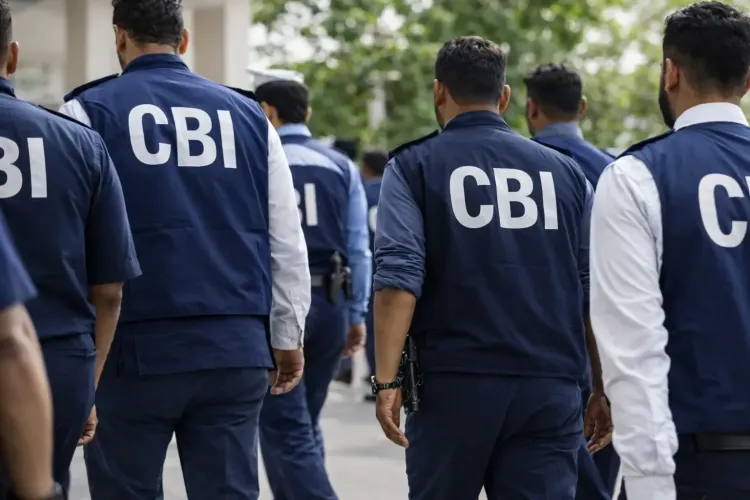
A Central Bureau of Investigation (CBI) special court in Lucknow has convicted and sentenced two postal officials from the Sub Post Office in Kunda, Pratapgarh, on bribery charges, according to an official statement released on Tuesday, 13 October. The verdict follows a case registered nearly five years ago and marks the conclusion of a trial centred on a systematic bribe-collection scheme targeting a commission agent.
Sentences Handed Down
The court delivered its judgment on 12 October, handing differing sentences to the two accused. Suraj Prasad Mishra, a postal assistant, was sentenced to three years of imprisonment and ordered to pay a fine of ₹15,000. Santosh Kumar Saroj, the sub-postmaster, received a comparatively lighter sentence of six months of imprisonment along with a fine of ₹5,000.
How the Bribery Scheme Operated
According to the CBI, the two officials allegedly entered into a criminal conspiracy to extract illegal payments from a commission agent who regularly deposited funds into Recurring Deposit (RD) accounts at the post office. The arrangement, as alleged, was systematic: a fixed bribe of ₹100 was demanded for every ₹20,000 deposited, with the officials reportedly labelling the illicit payment 'Suvidha Kharch' — a euphemism suggesting it was a routine service charge. The officials allegedly threatened to obstruct the agent's transactions and create operational difficulties if the payments were refused.
The CBI laid a trap on 30 November 2019 and caught Mishra red-handed while allegedly demanding and accepting a bribe of ₹1,000 to process a deposit of ₹2,00,040. A charge sheet against both accused was filed on 31 December 2019, and the case proceeded to trial before concluding with Tuesday's conviction.
Separate CBI Action in Bhopal
In a distinct but related development, the CBI on 11 October arrested a senior official of the CGST and Central Excise Department in Bhopal on allegations of accepting a bribe of ₹2 lakh from a scrap-dealing company. Rajesh Kumar, superintendent of the Preventive Branch (Headquarters) of the CGST and Central Excise Commissionerate, Bhopal, was reportedly caught red-handed while accepting the alleged payment.
The CBI also seized ₹72.50 lakh in cash from premises linked to Kumar in Bhopal and Kanpur. According to the agency, Kumar had allegedly demanded ₹2 lakh per month from the proprietor of a Bhopal-based firm in exchange for not intercepting the company's vehicles transporting scrap material or obstructing its business operations. The firm's representative had lodged a formal complaint, prompting the CBI to register the case and execute the trap on the same day as the arrest.
Broader Pattern of Anti-Corruption Action
These cases are part of a broader pattern of CBI enforcement targeting mid-level government officials who exploit regulatory or transactional authority to extract systematic payments from private parties. The Pratapgarh conviction is notable for the duration of the legal process — nearly five years from trap to verdict — underscoring the pace at which such cases move through India's special courts. The Bhopal arrest, with its substantial cash seizure, signals continued scrutiny of tax and excise officials in central India.
Both cases are expected to proceed further — the Bhopal matter into charge sheet and trial, while the Pratapgarh convicts may pursue appeals at higher courts.
Point of View
Which points to institutional rot beyond two individuals. Five years from trap to verdict is also a structural problem: prolonged trials reduce deterrence, because the gap between wrongdoing and consequence is too wide to register as a credible threat. The simultaneous Bhopal seizure of ₹72.50 lakh from a mid-level excise official is a reminder that corruption at the supervisory level in regulatory departments is not incidental but systemic. CBI convictions remain relatively rare; what India's anti-corruption architecture still lacks is a fast-track sentencing pipeline that makes the cost of a bribe feel immediate.
NationPress
13 Oct 2026
Frequently Asked Questions
What were the two Pratapgarh postal officials convicted of?
The two officials — postal assistant Suraj Prasad Mishra and sub-postmaster Santosh Kumar Saroj — were convicted by a CBI court in Lucknow for demanding and accepting bribes from a commission agent who deposited funds in Recurring Deposit accounts at the Kunda Sub Post Office in Pratapgarh. They allegedly charged ₹100 for every ₹20,000 deposited, calling it 'Suvidha Kharch'.
What sentences did the convicted postal officials receive?
Suraj Prasad Mishra was sentenced to three years of imprisonment and fined ₹15,000, while Santosh Kumar Saroj received six months of imprisonment and a fine of ₹5,000. The sentences were handed down by the CBI special court in Lucknow on 12 October.
When did the CBI first register the case against the postal officials?
The CBI registered the case on 30 November 2019, the same day it laid a trap and caught Mishra red-handed accepting a bribe of ₹1,000. A charge sheet was filed against both accused on 31 December 2019.
Who is Rajesh Kumar and why was he arrested by the CBI?
Rajesh Kumar is the superintendent of the Preventive Branch (Headquarters) of the CGST and Central Excise Commissionerate in Bhopal. He was arrested by the CBI on 11 October for allegedly accepting a bribe of ₹2 lakh from a scrap-dealing company in exchange for not intercepting its vehicles or obstructing its operations. The CBI also seized ₹72.50 lakh in cash from premises linked to him in Bhopal and Kanpur.
What happens next in both CBI cases?
In the Pratapgarh postal case, the convicted officials may appeal the verdict in higher courts. In the Bhopal CGST case, the CBI is expected to file a charge sheet against Rajesh Kumar, after which the matter will proceed to trial before a designated court.