CBI, INTERPOL launch India-Thailand meet on exotic animal trafficking
Synopsis
India and Thailand are sitting across the table — not over trade or diplomacy, but over trafficked parrots, reptiles, and exotic birds. The CBI-INTERPOL coordination meet in New Delhi signals that Asia's booming illegal pet trade has crossed the threshold from conservation concern to organised transnational crime, with air corridors through Singapore and land routes via Myanmar now firmly on investigators' radar.
Key Takeaways
The CBI and INTERPOL ENS launched a two-day India-Thailand Case Coordination Meeting on live animal trafficking on 2 September in New Delhi .
Air routes via Singapore and land routes through Myanmar are the primary corridors used to smuggle exotic species from Thailand , Malaysia , and Indonesia into India.
CBI Special Director Manoj Sashidhar described the trade as a 'transnational organised crime' requiring robust international cooperation.
Agencies attending include the WCCB , DRI , UP Special Task Force , MP State Tiger Strike Force , and Odisha Forest Department .
The CBI has hosted two regional INTERPOL case meetings involving multiple foreign jurisdictions over the past two years.
Outcomes may include fresh INTERPOL notices against identified wildlife traffickers.
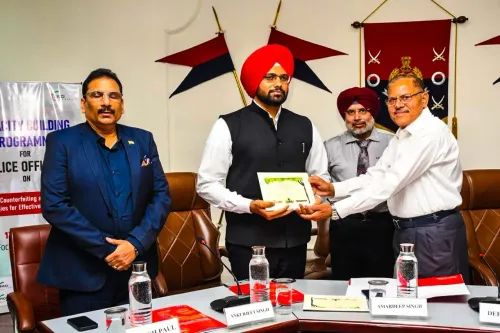
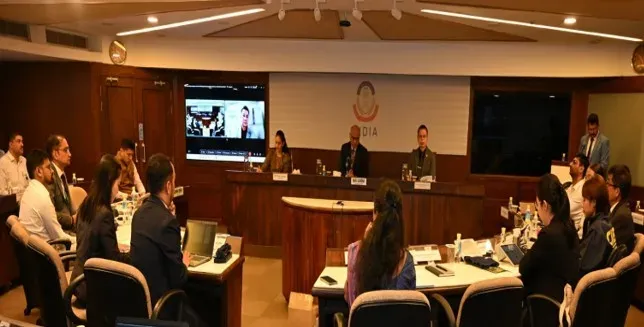
The Central Bureau of Investigation (CBI) on Wednesday, 2 September inaugurated a two-day India-Thailand Case Coordination Meeting on live animal trafficking at its headquarters in New Delhi, marking a focused bilateral push to dismantle cross-border networks engaged in the illegal exotic wildlife trade. The meeting, running from 2–3 September, is jointly hosted by the CBI and the INTERPOL Environmental Security Sub-Directorate (ENS).
Why This Meeting Was Called
According to the CBI, the smuggling of exotic live animals and birds for the pet trade has emerged as a rapidly growing concern across Asia. Investigators have recorded a marked rise in trafficking of live exotic species along the Southeast Asia–South Asia corridor, with air routes routinely used to move animals from Thailand, Malaysia, and Indonesia into countries including India — often through Singapore as a transit hub. A second major corridor exploits the land route running from Thailand through Myanmar.
Key Developments at the Meet
Inaugurating the meeting, CBI Special Director Manoj Sashidhar described live animal and bird trafficking as no longer solely a wildlife protection issue. 'It has evolved into a transnational organised crime involving sophisticated concealment and transportation methods, as well as extensive cross-border linkages,' he said. Sashidhar also stressed the importance of securing INTERPOL notices against fugitives involved in wildlife trafficking, noting that trafficked animals typically pass through multiple intermediaries and routes before reaching end markets.
Who Is at the Table
Beyond officials from Thailand, the meeting has drawn representatives from several Indian enforcement bodies: the Wildlife Crime Control Bureau (WCCB), the Directorate of Revenue Intelligence (DRI), the Uttar Pradesh Special Task Force, the Madhya Pradesh State Tiger Strike Force, and the Odisha Forest, Environment and Climate Change Department. The multi-agency composition reflects the scale of coordination required to interdict trafficking networks that span state and national borders.
What Participants Will Deliberate On
Over the two days, delegates will examine trafficking trends involving exotic species, major smuggling routes, concealment techniques employed by criminal networks, and mechanisms to sharpen joint targeting of traffickers. The CBI, acting in its capacity as National Central Bureau (NCB)-New Delhi, has hosted two regional investigative and analytical case meetings involving multiple foreign jurisdictions in collaboration with INTERPOL over the past two years — underscoring an institutional commitment to multilateral wildlife crime enforcement.
What Comes Next
The outcome of the coordination meet is expected to inform joint investigative strategies and potentially trigger fresh INTERPOL Red Notices against identified wildlife traffickers. As Asia's illegal wildlife trade continues to grow in scale and sophistication, this bilateral framework between India and Thailand could serve as a template for broader regional cooperation.
Point of View
Different inter-agency mandates, and crucially, INTERPOL's full notice system. The real test will be whether the intelligence shared over these two days translates into actual arrests and prosecutions, or remains a coordination exercise on paper. India's record on wildlife crime convictions remains thin relative to the scale of the trade passing through its borders.
NationPress
17 Oct 2026
Frequently Asked Questions
What is the India-Thailand Case Coordination Meeting on live animal trafficking?
It is a two-day bilateral meeting jointly hosted by the CBI and INTERPOL's Environmental Security Sub-Directorate in New Delhi from 2–3 September, focused on combating the illegal trade in exotic live animals and birds between Southeast Asia and South Asia.
Which smuggling routes are under scrutiny at the meeting?
Investigators are examining air routes from Thailand, Malaysia, and Indonesia into India via Singapore as a transit hub, as well as a land corridor running from Thailand through Myanmar.
Which Indian agencies are participating in the meet?
Participants include the Wildlife Crime Control Bureau, the Directorate of Revenue Intelligence, the Uttar Pradesh Special Task Force, the Madhya Pradesh State Tiger Strike Force, the Odisha Forest Department, and CBI officials, alongside representatives from Thailand.
What outcomes are expected from the coordination meeting?
The meeting is expected to produce joint investigative strategies and could lead to fresh INTERPOL notices against fugitives involved in wildlife trafficking, according to CBI Special Director Manoj Sashidhar.
How active has India been in INTERPOL wildlife crime efforts?
The CBI, acting as National Central Bureau-New Delhi, has hosted two regional investigative and analytical case meetings involving multiple foreign jurisdictions in collaboration with INTERPOL over the past two years.