CBI trains 30 officers from 13 nations on economic offence probes at Ghaziabad Academy
Synopsis
The CBI brought together 30 officers from 13 countries — from Bhutan to Zambia to Mexico — for a week-long course on economic crime investigation at its Ghaziabad Academy. It is a quiet but pointed signal of India's expanding role as a capacity-building partner in global financial crime enforcement, leveraging the six-decade-old ITEC framework.
Key Takeaways
CBI conducted a one-week training course from 27 August to 2 September 2026 at its Academy in Ghaziabad .
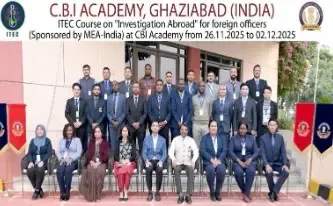
30 officers from 13 ITEC member countries participated, including Bhutan, Fiji, Mexico, Oman, Tanzania, and Zambia.
CBI Additional Director N.
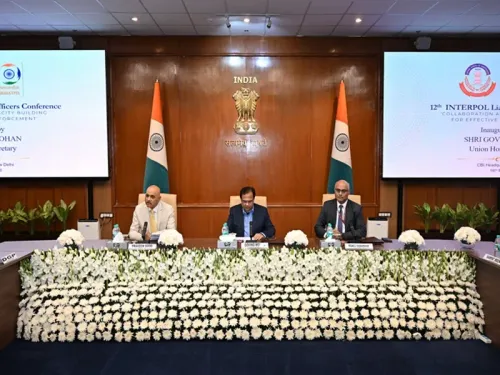
Venu Gopal presided over the valediction at CBI Headquarters, New Delhi on 2 September 2026 .
The programme was organised under the Ministry of External Affairs' ITEC initiative, which covers 161 partner countries globally.
Training covered SOPs, evidentiary challenges, and prosecution best practices for economic offences with cross-border impact.
The Central Bureau of Investigation (CBI) concluded a one-week training programme for 30 officers drawn from 13 Indian Technical and Economic Cooperation (ITEC) member countries, focused on the investigation and prosecution of economic offences. The course ran from 27 August to 2 September 2026 at the CBI Academy in Ghaziabad, with the valediction ceremony held at CBI Headquarters, New Delhi on 2 September 2026.
Key Developments
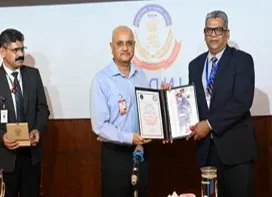
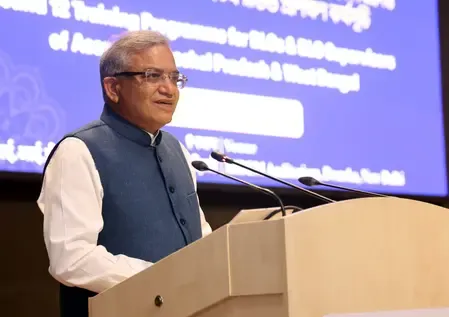
CBI Additional Director N. Venu Gopal presided over the valediction and addressed participants on the significance of economic offence investigations, noting that such cases routinely carry consequences well beyond national borders. He also engaged with participants to discuss best practices essential to both investigation and prosecution in this domain.
The programme was organised under the ITEC initiative of India's Ministry of External Affairs, which administers a bilateral assistance network spanning 161 partner countries across Asia, Africa, Eastern Europe, Latin America, the Caribbean, and the Pacific. The ITEC programme itself was established by a Cabinet decision on 15 September 1964.
Participating Countries
Officers from 13 ITEC member nations attended the course: Bhutan, Fiji, Kingdom of Eswatini (formerly Swaziland), Lebanon, Lesotho, Liberia, Maldives, Mauritius, Mexico, Oman, Tanzania, Thailand, and Zambia. The geographic spread — spanning South Asia, Southeast Asia, Africa, the Middle East, and Latin America — reflects the cross-regional reach of India's capacity-building diplomacy.
What the Training Covered
The one-week curriculum was designed to enhance awareness, knowledge, and practical skills in handling economic offence cases. Topics included the varied forms such offences take, Standard Operating Procedures (SOPs), evidentiary challenges, and prosecution best practices. The structure reflects the CBI's growing role as a knowledge partner for developing nations grappling with financial crime.
Broader Significance
This is part of a continuing series of capacity-building efforts through which India shares investigative expertise with partner countries. Economic offences — ranging from money laundering and fraud to cross-border asset concealment — increasingly demand coordinated international response. By training officers from diverse jurisdictions under a single framework, the CBI is contributing to the kind of procedural harmonisation that multilateral anti-corruption bodies have long advocated. The next steps in the ITEC training calendar have not been officially announced.
Point of View
But it is one of India's more effective instruments of soft power in law enforcement. By exporting investigative frameworks to countries across Africa, the Pacific, and Latin America, India is quietly shaping how a generation of financial crime investigators will approach cross-border cases — cases that often have an Indian nexus. The programme's value lies not just in skills transfer but in relationship-building: officers trained at the CBI Academy are more likely to cooperate on mutual legal assistance requests down the line. What the programme lacks is public accountability — there is no published data on how many alumni have gone on to successfully prosecute economic offence cases, making it difficult to assess actual impact beyond the certificate ceremony.
NationPress
19 Oct 2026
Frequently Asked Questions
What did the CBI train officers on at its Ghaziabad Academy?
The CBI trained 30 officers from 13 ITEC member countries on the investigation and prosecution of economic offences at its Academy in Ghaziabad from 27 August to 2 September 2026. The curriculum covered SOPs, evidentiary challenges, and best practices for handling cross-border financial crime cases.
Which countries participated in the CBI's ITEC training programme?
Officers from 13 countries participated: Bhutan, Fiji, Kingdom of Eswatini, Lebanon, Lesotho, Liberia, Maldives, Mauritius, Mexico, Oman, Tanzania, Thailand, and Zambia. The group represented regions spanning South Asia, Southeast Asia, Africa, the Middle East, and Latin America.
What is the ITEC programme and who runs it?
The Indian Technical and Economic Cooperation (ITEC) programme is a bilateral assistance initiative administered by India's Ministry of External Affairs. Established by a Cabinet decision on 15 September 1964, it now covers a network of 161 partner countries and funds training and capacity-building across multiple domains.
Who presided over the CBI training programme's closing ceremony?
CBI Additional Director N. Venu Gopal presided over the valediction ceremony held at CBI Headquarters, New Delhi on 2 September 2026. He addressed participants on the significance of economic offence investigations and their cross-border impact.
Why does the CBI conduct international training on economic offences?
Economic offences such as money laundering, fraud, and cross-border asset concealment increasingly require coordinated international response. By training officers from partner nations under a common framework, the CBI aims to promote procedural harmonisation and strengthen bilateral cooperation on mutual legal assistance in financial crime cases.