How is the Centre Addressing Fertiliser Misuse and Diversion?
Synopsis
The Indian government has launched a significant crackdown on the misuse of fertilisers by issuing thousands of notices and cancelling licenses. This initiative aims to protect farmers and enhance the national fertiliser supply chain. Discover how these measures could transform agricultural practices and safeguard soil health.
Key Takeaways
Government's crackdown includes issuing show-cause notices and cancelling licenses.
Balanced fertilisation is crucial for sustaining agricultural productivity.
Over 25.55 crore soil health cards distributed.
Imbalanced fertilisation has far-reaching consequences .
Proactive measures ensure timely availability of fertilisers.
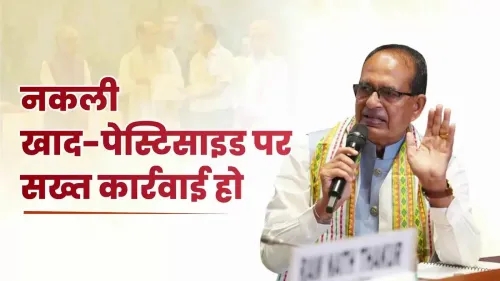
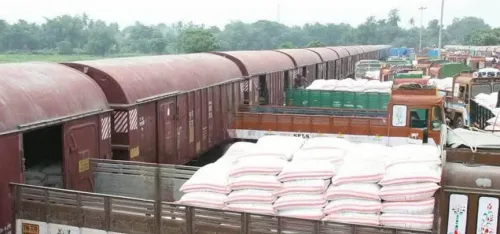
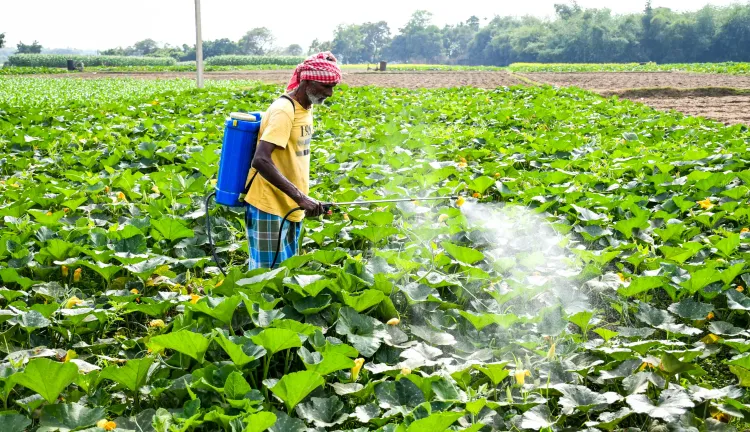
New Delhi, Jan 31 (NationPress) The government has taken decisive action by issuing 14,692 show-cause notices, suspending or cancelling 6,373 licenses, and filing 766 first information reports (FIRs) to combat the misuse and diversion of fertilisers during the Kharif and the current Rabi season 2025–26 (April–Mid January 2026). This initiative aims to protect the interests of farmers and maintain the integrity of the national fertiliser supply chain, as stated in an official release on Saturday.
In partnership with state governments and local authorities, the government has launched extensive enforcement actions, including inspections, raids, and legal actions throughout the crop season. The Department of Fertilizers (DoF), in collaboration with the Department of Agriculture and Farmers’ Welfare (DA&FW), has spearheaded a comprehensive enforcement initiative.
“These proactive and rigorous measures are designed to ensure the timely availability of fertilisers, enhance market discipline, and uphold the integrity of fertiliser distribution systems nationwide,” the statement emphasized.
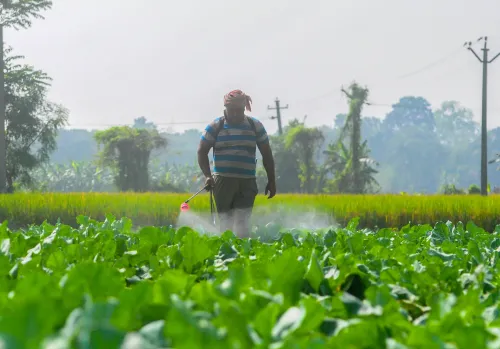
Imbalanced fertilisation leads to profound repercussions beyond mere soil degradation. Such practices further contribute to environmental pollution and pose potential health hazards.
The adverse effects are not confined to crops alone; they extend to the livestock sector as well. Crops grown on nutrient-deficient soils often lack critical minerals in feed and fodder, adversely impacting animal health and productivity.
As a result, nutrient imbalance presents a significant hurdle to the long-term viability and efficiency of integrated crop-livestock production systems.
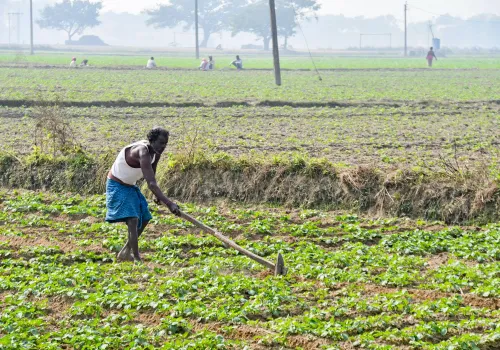
The government is actively advocating for balanced fertilisation as a fundamental strategy to rejuvenate and sustain soil health, thereby fostering sustainable agricultural productivity.
Importantly, the soil health card equips farmers with a detailed understanding of their soils' nutrient status and physicochemical properties.
This card also provides tailored recommendations for the effective use of chemical fertilisers, bio-fertilisers, organic inputs, and soil treatments, facilitating informed decision-making and long-term soil health management.
By July 2025, this initiative had facilitated over 93,000 farmer training programmes, around 6.8 lakh field demonstrations, and numerous awareness campaigns.
“As of mid-November 2025, more than 25.55 crore soil health cards have been distributed nationwide, showcasing the extensive reach of the scheme in promoting balanced nutrient management,” the statement concluded.
Point of View
I affirm that the government's proactive measures to curb fertiliser misuse are crucial for the sustainability of agriculture. By ensuring that resources are used appropriately, we can protect farmers and promote environmental health, which is vital for our nation's future.
NationPress
11 Oct 2026
Frequently Asked Questions
What actions has the government taken against fertiliser misuse?
The government has issued 14,692 show-cause notices, suspended or cancelled 6,373 licenses, and registered 766 FIRs to address the misuse of fertilisers.
Why is balanced fertilisation important?
Balanced fertilisation is essential for restoring soil health, improving crop yield, and ensuring the long-term sustainability of agricultural practices.
How many soil health cards have been distributed?
As of mid-November 2025, over 25.55 crore soil health cards have been distributed across the country.
What are the consequences of imbalanced fertilisation?
Imbalanced fertilisation can lead to soil degradation, environmental contamination, and health risks, affecting both crop production and livestock health.
What is the role of the soil health card?
The soil health card provides farmers with detailed information on nutrient status and offers recommendations for effective fertiliser use and soil management.