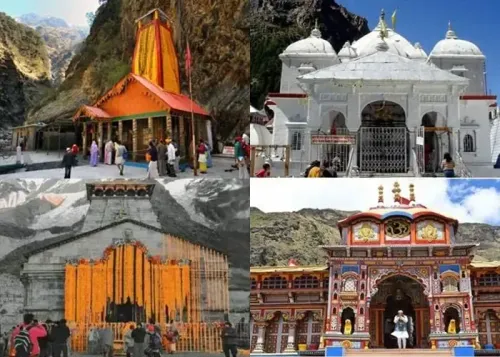
Char Dham Yatra 2026: Significance of Starting at Yamunotri
Synopsis
Discover the profound significance of starting the Char Dham Yatra at Yamunotri, a key step in this revered pilgrimage that attracts millions of devotees to the sacred Himalayan shrines each year.
Key Takeaways
Yamunotri is the starting point of the Char Dham Yatra .
The yatra follows a clockwise direction, known as Parikrama .
Yamunotri symbolizes emotional cleansing and spiritual purification.
Over 19 lakh devotees have registered for the pilgrimage this year.
The Char Dham Yatra commenced with the opening of shrines on Akshaya Tritiya .
New Delhi, April 20 (NationPress) The Char Dham Yatra, a highly esteemed pilgrimage in Hinduism, attracts countless devotees annually to the sacred Himalayan sites of Yamunotri, Gangotri, Kedarnath, and Badrinath. A key characteristic of this spiritual journey is its commencement from Yamunotri, a tradition steeped in religious significance and geographical rationale.
The sequence of the yatra is purposeful and adheres to a clockwise path, referred to in Hindu customs as Parikrama. This directional approach is deemed auspicious and is a common practice in temple rituals and pilgrimages. Starting from Yamunotri aligns with this sacred route, establishing a spiritual ambiance for the entire journey.
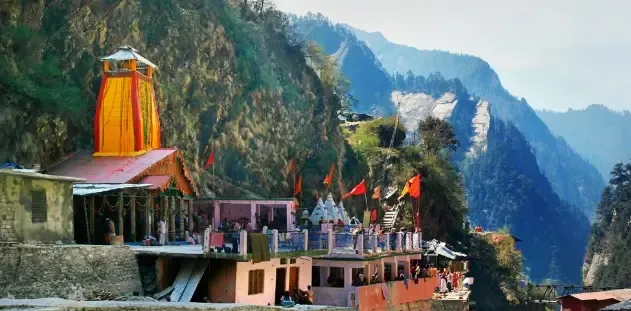
Yamunotri, the origin of the holy river Yamuna, carries profound religious importance. Hindus revere the Yamuna as a goddess and consider her to be the sister of Yama, the deity of death. It is believed that immersing oneself in the Yamuna's waters aids devotees in conquering their fear of death and absolving them of sins, thus marking a spiritually revitalizing start to the pilgrimage.
The region is also tied to the tale of Sage Asit Muni, who is said to have lived in the area. According to legend, he bathed daily in both the Ganga and Yamuna rivers. In his later years, unable to journey to Gangotri, a stream of the Ganga is believed to have emerged near Yamunotri, further enhancing its holiness.
In addition to its spiritual relevance, the order of the Char Dham Yatra is also based on practicality. Yamunotri is the westernmost shrine of the four. The route then advances eastward to Gangotri, followed by Kedarnath, and concludes at Badrinath. This natural flow simplifies the journey through the rugged terrain of the Himalayas.
Each dham embodies a unique phase in the journey of spiritual growth. Yamunotri represents emotional purification through water; Gangotri signifies mental and karmic cleansing; Kedarnath, dedicated to Lord Shiva, embodies devotion and liberation; while Badrinath, associated with Lord Vishnu, symbolizes ultimate salvation or moksha.
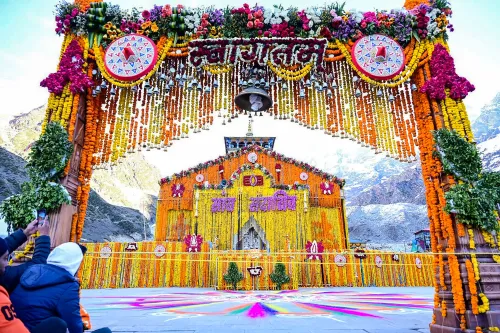
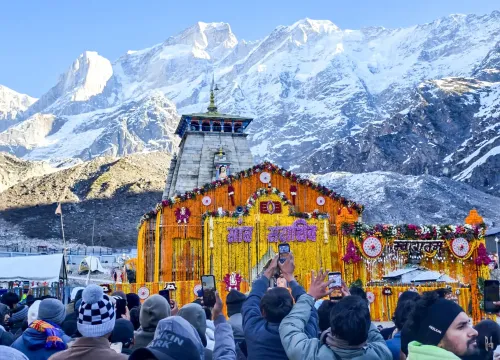
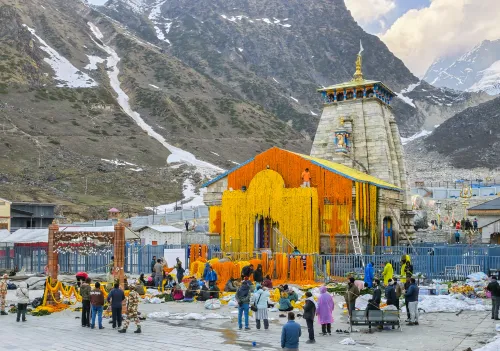
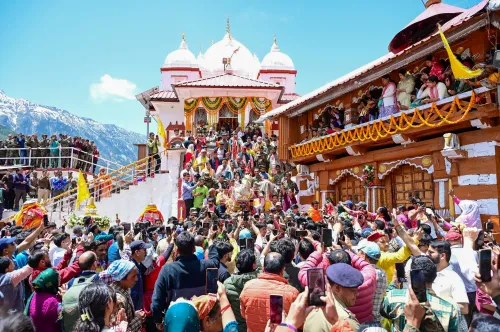
Recently, the Char Dham Yatra commenced with the opening of the Gangotri and Yamunotri portals in Uttarakhand on the auspicious occasion of Akshaya Tritiya, following a six-month winter hiatus.
This year, around 19 lakh devotees have already registered for the pilgrimage, while over 51 lakh pilgrims participated in the Char Dham Yatra last year.
Point of View
The Char Dham Yatra stands as a testament to the rich spiritual heritage of India, drawing attention to the deep-rooted traditions that guide the journey of countless pilgrims. The emphasis on Yamunotri as the starting point reflects the intertwined nature of faith and geography in Hindu customs.
NationPress
1 Oct 2026
Frequently Asked Questions
Why does the Char Dham Yatra start at Yamunotri?
The Char Dham Yatra begins at Yamunotri as it is the source of the Yamuna River and holds immense religious significance, aligning with Hindu traditions and the auspicious clockwise direction known as Parikrama.
What is the significance of Yamunotri in Hinduism?
Yamunotri is revered as the source of the holy river Yamuna, worshipped as a goddess. Taking a dip in its waters is believed to cleanse devotees of sins and fears associated with death.
How many devotees participate in the Char Dham Yatra each year?
In recent years, approximately 19 lakh devotees have registered for the Char Dham Yatra annually, with over 51 lakh participating last year.
What does each dham represent in the Char Dham Yatra?
Each dham symbolizes a unique stage in spiritual evolution: Yamunotri for emotional cleansing, Gangotri for mental purity, Kedarnath for devotion, and Badrinath for salvation.
When does the Char Dham Yatra typically begin?
The Char Dham Yatra usually begins with the opening of the shrines on Akshaya Tritiya, marking the end of a six-month winter break.