Is There Really a Balance of Power in the EC Appointment Process?
Synopsis
In a recent Lok Sabha debate, Shiv Sena(UBT) MP Priyanka Chaturvedi raised concerns about the Election Commission's appointment process, claiming it undermines the Leader of Opposition's role and lacks balance of power. This discussion comes amid scrutiny over the Sample Verification of Electoral Rolls initiative, emphasizing the urgent need for transparency in electoral processes.
Key Takeaways
Priyanka Chaturvedi critiques the appointment process of Election Commissioners.
The current system lacks a balance of power.
Concerns over the legality of the Sample Verification of Electoral Rolls process.
Calls for transparency and accountability in electoral practices.
Demands for reforms in the selection of Election Commissioners.
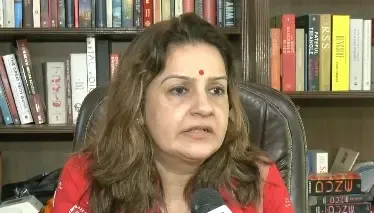
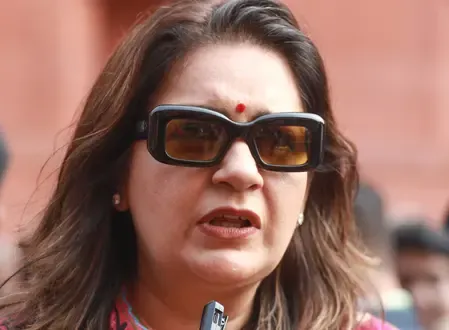
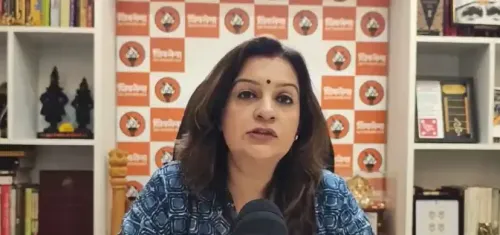
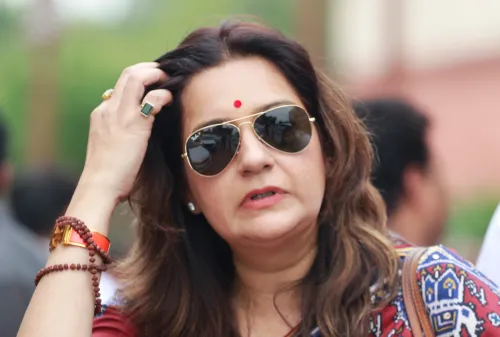
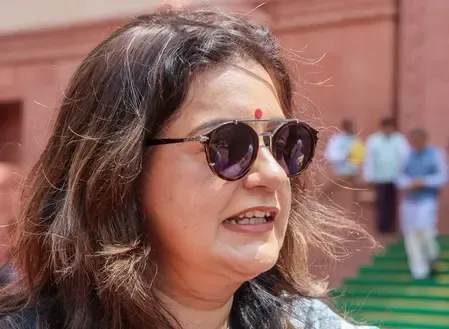
New Delhi, Dec 10 (NationPress) Shiv Sena(UBT) MP Priyanka Chaturvedi on Wednesday vehemently criticized the process of appointing Election Commissioners, asserting that the current framework provides no genuine opportunity for independent decision-making by the Leader of Opposition. This, she claims, leads to a scenario of “no balance of power” in the selection committee.
During a Lok Sabha debate on the Sample Verification of Electoral Rolls (SIR) initiative, Chaturvedi highlighted the structure of the high-level committee responsible for appointing members to the Election Commission of India (ECI).
“If you analyze the appointment process of the Election Commission, it involves four key individuals: the Leader of Opposition, a Cabinet Minister, the Prime Minister, and the Chief Justice of India. The Chief Justice of India was excluded from the equation...,” she stated.
Chaturvedi emphasized that the existing legislation guarantees the Leader of Opposition is consistently outvoted: “The LOP will always be in the minority. Even if they oppose the appointment of an Election Commissioner, they will be overruled by two representatives from the ruling side. It is crucial for the public to understand who is being appointed… The government holds all the power in this regard. There is no balance of power.”
Her comments surfaced as the Lok Sabha commenced an in-depth discussion regarding the SIR process being executed by the Election Commission across 12 states and union territories—an endeavor that has faced significant critique from the opposition, which has persistently raised questions regarding its legal foundation and transparency.
Earlier in the day, Union Parliamentary Affairs Minister Kiren Rijiju announced that the Home Minister would address the House at 5 p.m. regarding the ongoing SIR efforts.
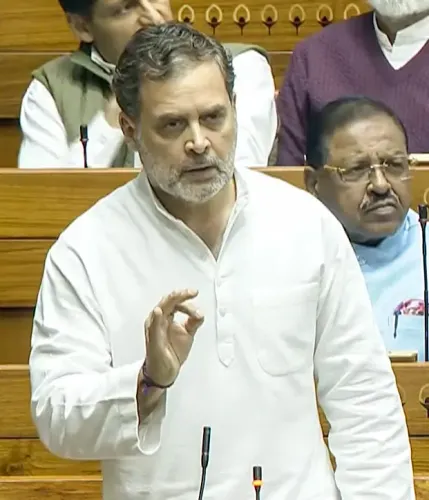
Congress MP Manish Tewari raised alarms on Tuesday concerning the deployment of public resources prior to elections, cautioning that tactics such as targeted cash transfers could distort democratic outcomes. “Elections cannot be won at the expense of the national or state exchequer. This threatens to bankrupt our democracy and our nation,” he warned.
Tewari contended that the ECI lacks the “legal basis to conduct SIR” and called for enhanced transparency, including the provision of machine-readable voter lists to political entities. He also put forth three demands: revising the law governing the selection of Election Commissioners to include the Chief Justice of India and the Leader of Opposition in the Rajya Sabha within the selection panel, plus imposing a blanket prohibition on direct cash transfers before elections, labeling such actions as “against democracy.”
The debate surrounding SIR is poised to escalate as the government and opposition persist in their confrontations regarding electoral integrity, institutional independence, and accountability.
Point of View
The dialogue initiated by Priyanka Chaturvedi is pivotal in highlighting the flaws within the Election Commission appointment process. It raises essential questions about the independence of electoral institutions and the need for a more balanced approach to ensure fair representation. The ongoing discussions around the Sample Verification of Electoral Rolls process further underscore the urgency for transparency and accountability in electoral practices, which are the bedrock of any democracy.
NationPress
30 Sept 2026
Frequently Asked Questions
What are the main concerns raised by Priyanka Chaturvedi?
Priyanka Chaturvedi criticized the appointment process of Election Commissioners, stating it limits the Leader of Opposition's influence and creates an imbalance of power in the selection committee.
What is the Sample Verification of Electoral Rolls (SIR) process?
The SIR process is an initiative by the Election Commission to verify electoral rolls across various states and union territories, which has faced criticism for its legal grounding and transparency.
What demands did Manish Tewari present?
Manish Tewari demanded increased transparency in the electoral process, legal amendments for the selection of Election Commissioners, and a ban on direct cash transfers before elections.