China sanctions Philippines Defence Chief Teodoro: Coercive overreach, analysts say
Synopsis
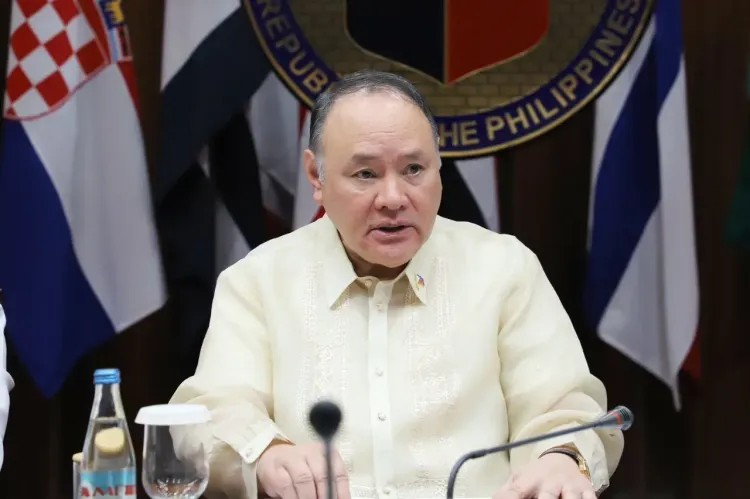
China's move to sanction Philippines Defence Secretary Teodoro for defending his country's territorial claims in the West Philippine Sea isn't just diplomatic pressure — analysts say it crosses into coercive interference, violating the UN Charter's non-interference principle. With a near-identical playbook used against a senator in July 2025, Beijing appears to be running a deliberate campaign to silence Manila's most vocal defence voices.
Key Takeaways
China sanctioned Philippines Defence Secretary Gilberto 'Gibo' Teodoro Jr. and his family, banning them from mainland China , Hong Kong , and Macao .
The sanctions were triggered by Teodoro's official statements defending Philippine territorial claims in the West Philippine Sea .
A report released on 21 June concluded the measures constitute unilateral coercive measures that violate the spirit of the UN Charter 's non-interference principle.
China used a near-identical tactic against former senator Francis Tolentino in July 2025 .
The Philippine Department of Foreign Affairs called the move an “unfriendly act” that “further complicates bilateral relations.” Teodoro dismissed the sanctions, saying he has no plans to visit China and holds no assets there.
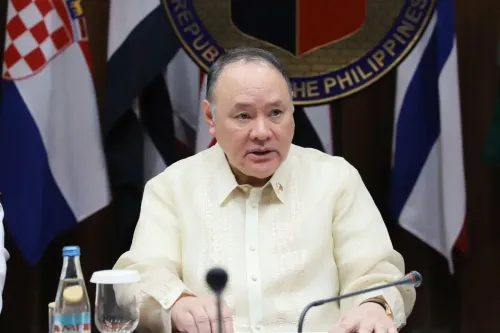
China's decision to sanction Philippines Defence Secretary Gilberto 'Gibo' Teodoro Jr. and his family has drawn sharp criticism, with analysts arguing the move crosses into unilateral coercive measures that violate the spirit of international norms. The sanctions, announced by Beijing earlier this month, bar Teodoro and his relatives from entering mainland China, Hong Kong, and Macao, and prohibit Chinese entities from conducting business with them.
Why China Imposed the Sanctions
Beijing accused Teodoro of making “irresponsible remarks” that allegedly undermined Chinese interests and damaged bilateral ties. The remarks in question pertained to Philippine territorial claims in the West Philippine Sea — a flashpoint that has repeatedly strained Manila-Beijing relations in recent years.
The Coercive Measures Argument
According to a report released on Sunday, 21 June, sanctioning a sitting defence secretary specifically for official statements defending his country's territorial position is a qualitative escalation. “When a major power levels sanctions against the sitting defence secretary of a sovereign nation specifically for his official statements — in this case, defending Philippine territorial claims in the South China Sea — it crosses the line into unilateral coercive measures,” the report stated. “The sanctions become a tool meant to isolate a state official, penalise the country's defence posture, and implicitly pressure the government to alter its policy.”
The report further noted that while the targeted sanctions may have limited practical effect, “they do violate the spirit of the United Nations Charter's principle of non-interference, which is meant to protect states from external pressures designed to force a change in their domestic or foreign policies.”
A Pattern of Pressure
This is not the first time China has deployed this tactic against Philippine officials. In July 2025, Beijing imposed similar sanctions on former senator Francis Tolentino for what it described as “egregious conduct on China-related issues” and “malicious remarks and moves” driven by “selfish interests” that damaged bilateral relations. Tolentino publicly declared the ban a “badge of honour.”
Teodoro has adopted a similarly defiant posture. He shrugged off the sanctions, stating he has no plans to visit China and holds no assets there. “That is their right,” he said of the ban. “That is truly what they do to those who speak the truth against their deception. Their own countrymen and the others under their control suffer far worse.”
Manila's Official Response
The Department of Foreign Affairs of the Philippines condemned the move as an “unfriendly act” that is “needlessly harming” bilateral relations and “further complicates” ties during an already tense period. The department argued that targeted punishments against Philippine officials do not contribute to building mutual trust or creating conditions for constructive diplomatic engagement.
What This Means Going Forward
With Manila holding firm on its West Philippine Sea position and Beijing continuing to deploy economic and diplomatic pressure tools, analysts warn the bilateral relationship faces a sustained period of friction. The use of personal sanctions against officials — rather than state-level measures — represents a calibrated strategy that stops short of open confrontation while signalling Beijing's displeasure. Whether this tactic achieves its intended deterrent effect or further consolidates Philippine resolve remains to be seen.
Point of View
High signal. But it risks backfiring: both Tolentino and Teodoro have publicly worn the bans as badges of honour, and Manila's posture on the West Philippine Sea has not softened. The deeper concern is the precedent: if sanctioning a defence secretary for official statements becomes normalised, it erodes the diplomatic space that smaller nations depend on to push back against larger powers. The UN Charter's non-interference principle was designed precisely to prevent this kind of asymmetric coercion — and the silence of multilateral bodies on this pattern deserves scrutiny.
NationPress
20 Sept 2026
Frequently Asked Questions
Why did China sanction Philippines Defence Secretary Teodoro?
China sanctioned Gilberto 'Gibo' Teodoro Jr. over what it called 'irresponsible remarks' that allegedly undermined Chinese interests and damaged bilateral ties. The remarks related to Teodoro's defence of Philippine territorial claims in the West Philippine Sea.
What do China's sanctions on Teodoro actually prohibit?
The sanctions bar Teodoro and his family from entering mainland China, Hong Kong, and Macao, and prohibit Chinese entities from conducting any business with them. Analysts note the practical impact is limited, but the symbolic and political signal is significant.
Has China sanctioned Philippine officials before?
Yes. In July 2025, China imposed similar sanctions on former Philippine senator Francis Tolentino for what it described as 'egregious conduct on China-related issues.' Tolentino publicly called the ban a badge of honour, and Teodoro has responded with similar defiance.
How has the Philippine government responded to the sanctions?
The Philippine Department of Foreign Affairs labelled the move an 'unfriendly act' that needlessly harms bilateral relations and further complicates ties during an already tense period. It argued that targeting officials does not build mutual trust or enable constructive diplomacy.
Do the sanctions violate international law?
According to the report, while the sanctions may have limited practical effect, they violate the spirit of the United Nations Charter's principle of non-interference, which protects states from external pressure designed to force changes in their domestic or foreign policies.