Is China Dependent on Reverse-Engineered US Military Technologies?
Synopsis
A recent report highlights China's heavy reliance on reverse-engineered military technologies from the United States. The findings reveal significant flaws in execution, exposing vulnerabilities that could have dire consequences. As military hardware faces scrutiny, the implications for national security are profound. Explore how these technical challenges impact China's military reputation and operational readiness.
Key Takeaways
China relies heavily on reverse-engineered military tech .
Flaws in execution lead to performance issues .
Secrecy surrounds China's military capabilities .
Real-world testing reveals vulnerabilities .
Technical failures can have tragic consequences .
Beijing, Oct 8 (NationPress) Reports suggest that China significantly relies on reverse-engineering and counterfeit versions of military technologies originally developed by the United States and other advanced nations.
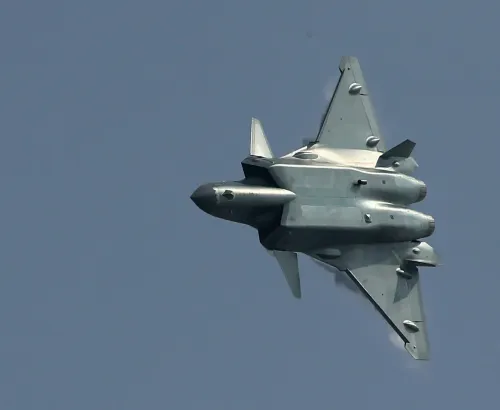
This approach enables China to access state-of-the-art systems, but a critical flaw exists in execution—often, these modern designs are integrated with outdated components, especially older, underperforming engines.
Such mismatches lead to systems that may appear impressive on paper but frequently underperform in real combat scenarios, lacking the necessary thrust and reliability crucial for high-stakes encounters. As an authoritarian regime, China exerts stringent control over information, keeping the true nature of its military capabilities veiled in secrecy. What the global audience perceives is frequently a manufactured narrative, as noted in a report by Uganda's ‘Daily Monitor’.
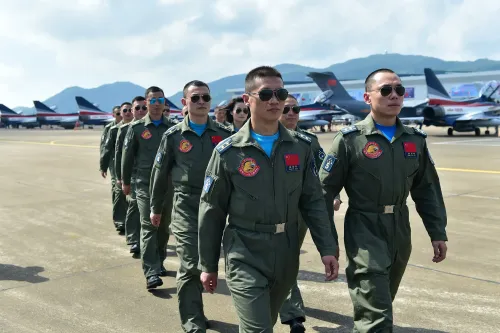
Elaborate parades, extensive state media coverage, and ostentatious demonstrations are tactically designed to persuade both its populace and the international community of its technological prowess. However, when subjected to real-world testing, vulnerabilities often surface. Equipment malfunctions, systems disappoint, and the meticulously crafted facade starts to crumble.
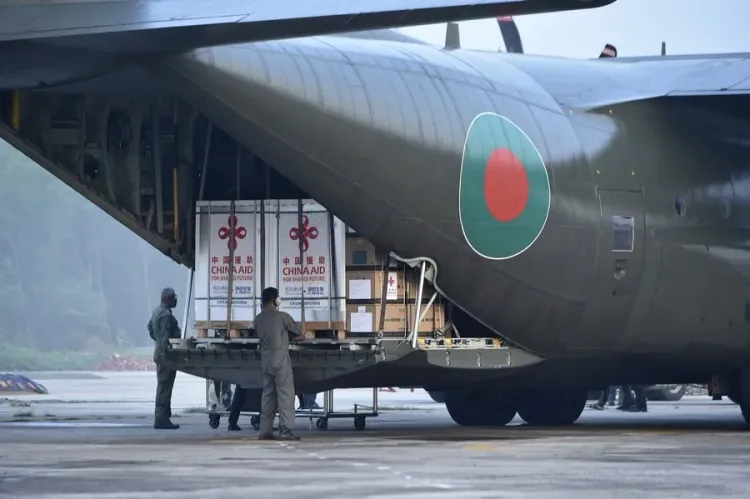
Notably, one of the most telling indicators emerged from Bangladesh, a long-time client of China, which formally expressed concerns over defective spare parts and technical flaws in multiple platforms supplied by Chinese companies.
Bangladesh authorities reported issues with corvettes, patrol vessels, trainer and combat aircraft components, and onshore systems, citing manufacturing defects and ongoing technical difficulties that necessitated remedial measures.
This complaint holds significance as Bangladesh is not merely a small-scale buyer; it is a country that regularly acquires major types of equipment from China, thus possessing a comprehensive understanding of the logistics involved in operating and maintaining these systems over time, as the report highlighted.
The pattern of these complaints indicates recurrent issues like subpar subsystems, malfunctioning sensors, and shortages of spare parts, all of which directly impair combat readiness.
The report emphasized the human toll and operational repercussions of such technical failures, underscored tragically in July 2025 when a Bangladesh Air Force F-7 trainer experienced a technical malfunction shortly after takeoff and crashed into a school in Dhaka, causing numerous fatalities and injuries.
This disaster illustrates how reliability issues in military hardware are not just procurement challenges but can lead to immediate loss of life and public crises that undermine trust in both suppliers and national leadership.
Point of View
It is crucial to recognize the implications of China's reliance on foreign military technologies. While the potential for advancement exists, the inherent risks associated with substandard components and technical failures cannot be ignored. This situation demands careful consideration from both domestic and international stakeholders.
NationPress
25 Sept 2026
Frequently Asked Questions
What technologies is China reverse-engineering?
China is reportedly reverse-engineering military technologies developed by the United States and other advanced nations.
What are the consequences of China's military technology issues?
The issues can lead to operational failures, impacting military readiness and potentially causing loss of life.
How does China's authoritarian regime affect military transparency?
China's strict control over information creates a lack of transparency regarding the true capabilities of its military technologies.