CII Calls for Enhanced Fiscal and Monetary Support Amid Ongoing Iran Conflict

Synopsis
In light of the ongoing conflict in West Asia, the CII urges the government and RBI to implement targeted fiscal and monetary measures to support industries, especially MSMEs. Their recommendations include the introduction of a Conflict-Linked Emergency Credit Line Guarantee Scheme and other liquidity support strategies.
Key Takeaways
CII calls for enhanced support from the government and the RBI .
A Conflict-Linked Emergency Credit Line Guarantee Scheme is recommended.
Targeted liquidity support and operational relief for MSMEs are crucial.
Ongoing supply chain disruptions necessitate immediate action.
Coordination between fiscal and monetary policies is vital for resilience.
New Delhi, April 5 (NationPress) The Confederation of Indian Industry (CII) on Sunday appealed for additional fiscal and monetary policy measures from the government and the Reserve Bank of India (RBI) to navigate through the global uncertainties stemming from the conflict in West Asia. They acknowledged the "timely, well-coordinated, and calibrated actions" already taken.
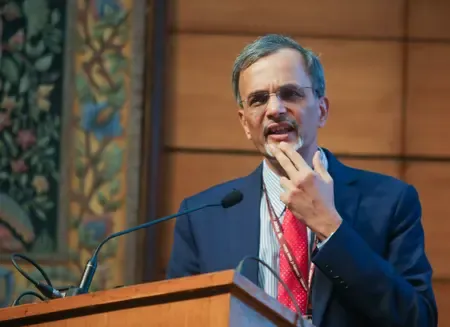
CII's Director General, Chandrajit Banerjee, stated, "The swift and clear responses from the Government and the RBI have been commendable. The initial measures have contributed to stabilizing sentiment and showcase India's policy framework as both responsive and resilient against external shocks."
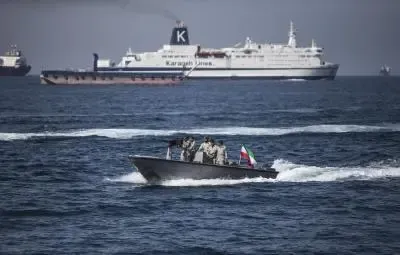
However, CII noted that the situation is still developing, with ongoing supply-side pressures in energy, logistics, and trade channels persisting beyond the onset of the crisis. Industry feedback indicates that while initial policy measures have alleviated immediate impacts, numerous sectors are still grappling with operational and financial challenges, particularly MSMEs, exporters, and energy-intensive industries.
Banerjee stressed that "India's prior experiences during crises indicate that coordinated fiscal and monetary measures can profoundly enhance resilience. The forthcoming phase of policy responses should concentrate on targeted liquidity support, credit facilitation, trade cost management, and maintaining foreign exchange stability."
CII has advocated for a time-sensitive Conflict-Linked Emergency Credit Line Guarantee Scheme (CL-ECLGS) from the Finance Ministry, akin to the Emergency Credit Line Guarantee Scheme (ECLGS) launched during the pandemic. This would allow for additional collateral-free working capital to be provided to impacted enterprises through government-backed guarantees, especially for MSMEs, exporters, and sectors reliant on gas.
Additionally, they have urged the RBI to implement a temporary, clearly defined three-month moratorium and restructuring window for MSMEs, particularly exporters and ancillary units linked to export supply chains.
The CII statement proposed that the RBI could create a Special Refinance Window for MSMEs and other affected sectors, complemented by targeted liquidity support through instruments like Targeted Long Term Repo Operations (TLTRO). This would enable banks and non-banking financial companies (NBFCs) to continue offering credit at reasonable costs to productive sectors.
Moreover, it suggested that the Ministry of Finance, in collaboration with the RBI, could provide immediate contractual and operational relief to industry, particularly MSMEs, by extending delivery timelines for Central and State PSU contracts by 3–4 months without invoking Liquidated Damages clauses. They also recommended minimizing Performance Bank Guarantee and Security Deposit requirements to alleviate liquidity pressures. Furthermore, temporary relief in electricity tariffs could help manage escalating input costs during the disruption period.
CII also suggested enabling banks to reassess and enhance working capital limits for deserving cases, especially for export-oriented and gas-dependent units facing temporary stress. A measured increase in cash credit limits of up to 20 percent, combined with concessional lending terms during the disruption, would provide meaningful operational relief.
They have called for a temporary reduction or waiver of administrative banking charges, including loan processing fees, foreign exchange handling charges, and documentation costs for MSMEs and affected sectors.
Other requests from CII include the more active expansion of the Trade Receivables Discounting System (TReDS) platform across affected industrial clusters, a focused rationalization of the tax and duty structure on energy inputs to mitigate cascading cost impacts, and accelerated depreciation benefits on capital goods.
Point of View
Emphasizing the need for coordinated fiscal and monetary responses to the ongoing crisis. It reflects a national interest approach to support industries, particularly MSMEs, in overcoming operational challenges.
NationPress
24 Oct 2026
Frequently Asked Questions
What is CII's appeal regarding fiscal support?
CII has requested more fiscal and monetary policy concessions from the government and RBI to support industries affected by the West Asia conflict.
What specific measures is CII recommending?
CII is advocating for a Conflict-Linked Emergency Credit Line Guarantee Scheme, a temporary moratorium for MSMEs, and targeted liquidity support through various financial instruments.
How does the ongoing conflict affect Indian industries?
The conflict has led to supply-side pressures in energy and logistics, causing financial stress, particularly for MSMEs, exporters, and energy-intensive sectors.
What relief measures are suggested for MSMEs?
CII suggests extending delivery timelines for contracts, minimizing bank guarantees, and potentially reducing electricity tariffs to ease liquidity constraints.
Why is coordinated action important during crises?
Coordinated fiscal and monetary action has historically strengthened resilience and mitigated the impact of external shocks on the economy.