Congress to Receive Briefing on US Military Action Against Iran by Rubio and Hegseth
Synopsis
Key Trump administration officials, including Rubio and Hegseth, will brief Congress on the US military strikes in Iran as partisan divisions surface regarding the operation's legality and scope. This critical update comes amid escalating tensions in the region.
Key Takeaways
Key officials will brief Congress on military strikes against Iran.
Partisan divisions exist over the legality and scope of the operation.
Iran's military capabilities have been significantly impacted according to reports.
Congress holds the constitutional power to declare war.
Retaliatory actions from Iran may affect regional stability.
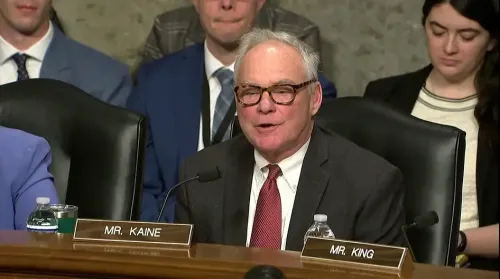
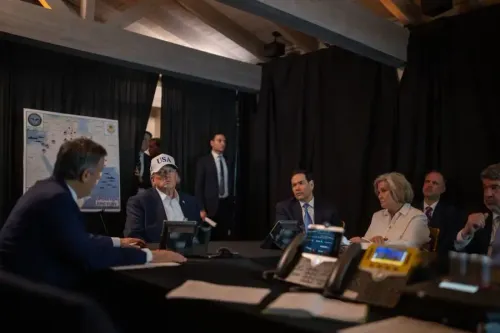
Washington, March 2 (NationPress) Key officials from the Trump administration are set to provide a briefing to Congress on Tuesday, March 3, regarding the recent US-led military actions against Iran. This comes as lawmakers express differing opinions on the legality and extent of the operation.
According to White House spokesperson Dylan Johnson, “Secretary Rubio, Secretary Hegseth, Director Ratcliffe, and Chairman Caine will address the complete membership of both houses of Congress on Tuesday, March 3.”
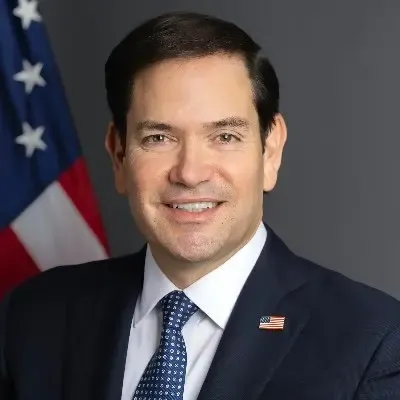
The briefings will be led by Secretary of State Marco Rubio, Defense Secretary Pete Hegseth, CIA Director John Ratcliffe, and General Dan Caine, the chairman of the Joint Chiefs of Staff, as stated by Johnson.
The administration has already engaged with essential committees.
“Today, the Department of War informed bipartisan staff from several national security committees in both houses for over 90 minutes regarding the military operations in Iran,” Johnson confirmed.
Additionally, on Sunday, the Pentagon provided a similar briefing to bipartisan staff members for more than 90 minutes, he noted.
This outreach occurs amid a partisan response on Capitol Hill.
Republican Senate Majority Leader John Thune commended Trump's decision, labeling Iran’s nuclear ambitions and support for terrorist organizations as a “clear and unacceptable threat.”
Conversely, Democratic House Minority Leader Hakeem Jeffries criticized the move, arguing that Trump failed to secure authorization prior to initiating what he termed a significant military strike, which he claims has “rendered American troops vulnerable to potential Iranian retaliation.”
While the White House did not disclose specific operational details, major US newspapers have reported extensively on the campaign.
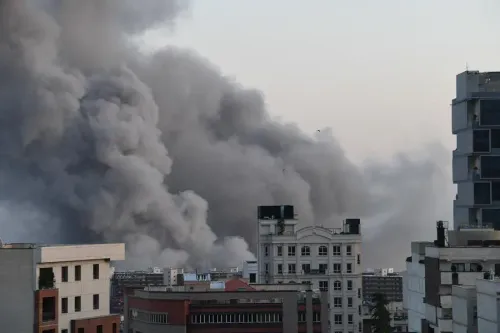
According to The New York Times, intelligence officials from both Israel and the US utilized sensitive information to execute a “three-wave attack” that “decimated the Iranian high command and severely damaged Iran’s air defenses.” The report indicated that Israeli officials noted achieving air superiority over Iran, with jets operating freely over Tehran. Former Israeli Air Force commander Amir Eshel remarked, “Iran currently is completely exposed to airstrikes,” adding, “There’s almost total freedom of maneuver.”
The same report detailed US forces targeting the Iranian naval fleet, with Trump stating on Sunday: “I have just been informed that we have destroyed and sunk 9 Iranian Naval Ships, some of which are quite large and significant. We are pursuing the others — They will soon be resting at the bottom of the sea, as well!”
The Washington Post, referencing US Central Command, reported that the US was concentrating on military targets, with rockets and missiles aimed at “dismantling the Iranian regime’s security apparatus.” A Western security official informed the newspaper that strikes on the headquarters of Iran’s intelligence service resulted in the deaths of at least four high-ranking commanders.
In the meantime, The Wall Street Journal reported that Iran conducted retaliatory strikes on airports and critical infrastructure in Gulf states. More than 3,400 flights were cancelled across seven airports in the Middle East, and Dubai International Airport postponed flights following a drone attack, according to the newspaper.
Under the US Constitution, Congress possesses the authority to declare war, although presidents have historically invoked their commander-in-chief powers to order limited military engagements. Disputes concerning war powers have arisen in previous conflicts, including those in Iraq, Libya, and Syria.
Point of View
Senior officials from the Trump administration will provide Congress with updates on military operations against Iran. The differing viewpoints among lawmakers highlight the contentious nature of the current geopolitical climate, reflecting a broader debate about the extent of executive power in military engagements.
NationPress
29 Sept 2026
Frequently Asked Questions
What is the purpose of the briefing on March 3?
The briefing aims to inform Congress about the recent US-led military strikes against Iran and address concerns regarding the legality and scope of the operation.
Who will lead the briefing?
The briefing will be led by Secretary of State Marco Rubio, Defense Secretary Pete Hegseth, CIA Director John Ratcliffe, and General Dan Caine.
What actions have been reported about the military strikes?
Reports indicate that US military actions targeted Iranian military assets, including the naval fleet, and aimed to dismantle Iran's security apparatus.
How has Congress reacted to these military actions?
Lawmakers are divided, with some supporting the strikes as necessary for national security, while others criticize the lack of authorization and the potential risks to American troops.
What are the implications of the US military actions in Iran?
The implications include heightened tensions in the region, potential retaliatory actions from Iran, and ongoing debates about presidential war powers.