Congress Takes Pawan Khera Bail Battle to Supreme Court
Synopsis
Congress is taking Pawan Khera's anticipatory bail fight to the Supreme Court after the Gauhati High Court ruled he deserves no bail and ordered custodial interrogation over allegedly false documents he used to target Assam CM Himanta Biswa Sarma's wife. The apex court had already denied transit bail once, making this a high-stakes legal rematch.
Key Takeaways
Congress has announced it will challenge the Gauhati High Court anticipatory bail rejection for Pawan Khera in the Supreme Court of India .
Justice Parthivjyoti Saikia of the Gauhati High Court ruled on April 24, 2025 that Khera does not deserve the privilege of anticipatory bail.
The court found prima facie grounds under Section 339 of the Bharatiya Nyaya Sanhita (BNS), 2023 , treating the case as more serious than simple defamation.
The Gauhati High Court ordered custodial interrogation to determine who collected the allegedly false documents used by Khera during his Guwahati press conference .
The Supreme Court had previously refused transit anticipatory bail to Pawan Khera and directed him to approach Assam courts, making this the second attempt at apex court relief.
Congress General Secretary Jairam Ramesh publicly declared the party's full solidarity with Khera, framing the case as politics of threat, intimidation, and harassment.
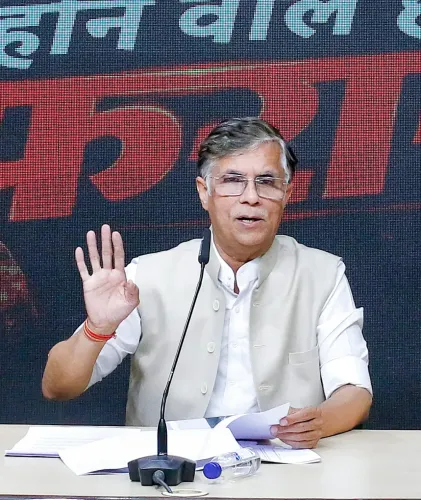
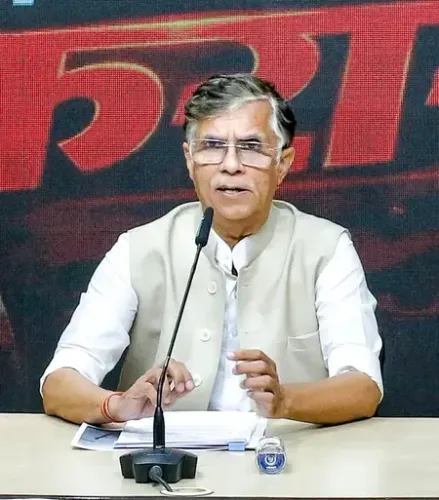
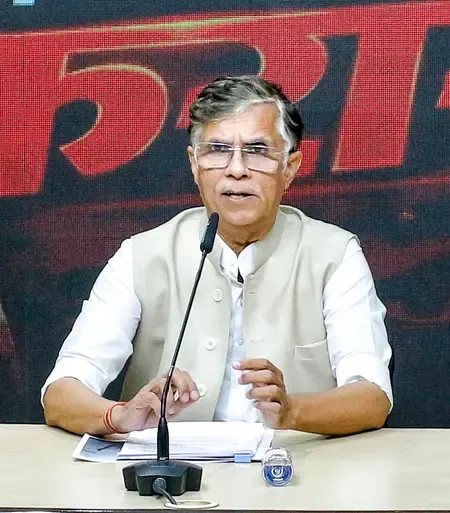
New Delhi, April 25: The Indian National Congress announced on Saturday, April 25, that it will escalate its legal fight to the Supreme Court of India after the Gauhati High Court denied anticipatory bail to senior party leader and Media and Publicity Department Chairman Pawan Khera. The case stems from an FIR filed in Assam over Khera's alleged remarks targeting Chief Minister Himanta Biswa Sarma's wife, Riniki Bhuyan Sharma. The Congress has framed the legal proceedings as politically motivated intimidation against its spokesperson.
Congress Stands Firm Behind Pawan Khera
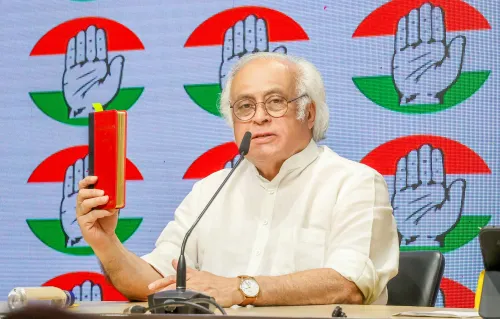
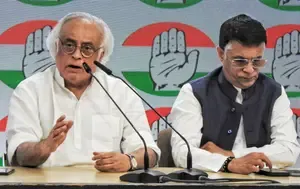
Congress General Secretary (Communications) Jairam Ramesh took to social media platform X to declare the party's unwavering support for Khera. He described the INC as standing solidly in solidarity with the accused leader and expressed full confidence that the Supreme Court would deliver justice.
The entire Indian National Congress stands solidly in solidarity with Pawan Khera, the Chairman of its Media and Publicity Department. The verdict of the Guwahati High Court is in the process of being challenged in the Supreme Court. We are confident that justice will prevail over the politics of threat, intimidation, and harassment, Ramesh stated.
What the Gauhati High Court Ruled
A single-judge bench of Justice Parthivjyoti Saikia of the Gauhati High Court rejected Khera's anticipatory bail plea on Friday, April 24, holding that he does not deserve to be given the privilege of anticipatory bail. The court further ruled that the case could not be treated as one of simple defamation.
Justice Saikia found prima facie grounds under Section 339 of the Bharatiya Nyaya Sanhita (BNS), 2023, noting that the allegations involved documents later found to be false, thereby attracting serious criminal offences beyond simple defamation.
Crucially, the court emphasized the necessity of custodial interrogation to trace the origin of the documents Khera relied upon. The court stated that custodial interrogation is necessary to find out who are the associates of Mr. Khera, who had collected those documents for him and how and from where they had collected those documents.
Background: The Allegations That Triggered the FIR
The controversy erupted during a press conference held by Khera in Guwahati earlier this month, where he alleged that Riniki Bhuyan Sharma held multiple foreign passports and had undisclosed financial dealings abroad. The allegations were made in the context of what Khera's legal team described as electoral political discourse.
Riniki Bhuyan Sharma swiftly filed an FIR denying the claims, asserting that she is solely an Indian citizen and that the documents cited were fabricated or falsified.
Senior advocate Abhishek Manu Singhvi, appearing for Khera, argued the remarks constituted political rhetoric within the bounds of electoral speech and, at most, could attract defamation charges. He also raised concerns of political vendetta and potential harassment upon arrest.
State's Counter-Arguments and Court's Rejection of Political Motive
Assam Advocate General Devajit Lon Saikia argued on behalf of the state that the documents cited by Khera were subsequently proven to be false, escalating the matter beyond defamation into more serious criminal territory under the Bharatiya Nyaya Sanhita.
The Gauhati High Court rejected the political vendetta argument, holding that the prosecution appeared motivated by furthering the ends of justice rather than any intent to injure and humiliate the petitioner. This finding significantly weakens the Congress narrative of targeted political persecution at the High Court level.
Supreme Court's Earlier Refusal and What Comes Next
This is not the first time the Supreme Court has been drawn into this matter. The apex court had previously refused to grant Khera protection from arrest and declined to extend his transit anticipatory bail, directing him to approach the competent court in Assam, a direction that led to the now-rejected High Court plea.
With the Gauhati High Court firmly ruling against Khera and the Supreme Court having already declined transit protection once, the Congress faces a steeper legal climb. The party's decision to return to the Supreme Court signals that it views this case not merely as a legal dispute but as a high-stakes political battle ahead of upcoming electoral cycles. Legal observers will be watching closely to see whether the apex court agrees to hear the challenge and whether it imposes any interim protection against arrest for Khera pending the final hearing.
Point of View
Effectively treating a political press conference as a potential criminal conspiracy. Congress's framing of this as political persecution is undermined by the court's finding that the documents were demonstrably false. The broader pattern is clear: as India's opposition parties increasingly weaponize press conferences with unverified documents, courts are signalling that electoral rhetoric does not grant immunity from criminal accountability.
NationPress
3 Oct 2026
Frequently Asked Questions
Why was Pawan Khera denied anticipatory bail by the Gauhati High Court?
The Gauhati High Court denied anticipatory bail to Pawan Khera because the court found prima facie evidence under Section 339 of the Bharatiya Nyaya Sanhita (BNS), 2023, going beyond simple defamation. The court also held that custodial interrogation was necessary to trace the source of allegedly false documents Khera used during his press conference.
What did Pawan Khera say that led to the FIR in Assam?
Pawan Khera alleged during a press conference in Guwahati that Riniki Bhuyan Sharma, wife of Assam Chief Minister Himanta Biswa Sarma, held multiple foreign passports and had financial dealings abroad. Riniki Bhuyan Sharma filed an FIR denying these claims and asserting she is solely an Indian citizen.
Has the Supreme Court previously intervened in the Pawan Khera bail case?
Yes, the Supreme Court had earlier refused to grant Pawan Khera protection from arrest and declined to extend his transit anticipatory bail. The apex court had directed him to approach the competent court in Assam, which led to the now-rejected Gauhati High Court plea.
What is Congress's response to the Gauhati High Court order on Pawan Khera?
Congress General Secretary Jairam Ramesh announced that the party stands in full solidarity with Pawan Khera and is challenging the Gauhati High Court order in the Supreme Court. The party has described the proceedings as politics of threat, intimidation, and harassment.
What is Section 339 of the Bharatiya Nyaya Sanhita under which Pawan Khera faces charges?
Section 339 of the Bharatiya Nyaya Sanhita (BNS), 2023 deals with criminal offences that go beyond simple defamation, involving acts that can cause public mischief or harm through false statements. The Gauhati High Court found prima facie material under this section against Pawan Khera based on the allegedly fabricated documents he cited.