CPI-M admits candidate selection errors after Kerala poll rout
Synopsis
For the first time after a string of electoral reverses, the CPI-M has broken from its script of blaming external factors — General Secretary M.A. Baby publicly admitted candidate selection errors at the Central Committee level. With the LDF holding just 35 seats, the party cannot even send a member to the Rajya Sabha from Kerala. The September review will reveal whether this is genuine course correction or familiar ritual.
Key Takeaways
CPI-M General Secretary M.A.
Baby publicly admitted errors in candidate selection after the Kerala Assembly elections on 14 July .
The LDF won just 35 seats in the 140-member Kerala Assembly — its worst performance in decades.
The Front lacks the 36 MLAs required to elect even one Rajya Sabha member from Kerala.
The slide began with the 2024 Lok Sabha elections , when the Left retained only 1 of Kerala's 20 Parliamentary seats .
An extended State Committee meeting is scheduled for September to implement corrective measures.
Observers draw parallels with the CPI-M's earlier decline in West Bengal and Tripura .
The Communist Party of India (Marxist) national leadership has, for the first time, publicly conceded that errors were made in its electoral strategy ahead of the Kerala Assembly elections — particularly in the selection of candidates — after the Left Democratic Front (LDF) recorded its worst Assembly performance in decades.
What the Central Committee Decided
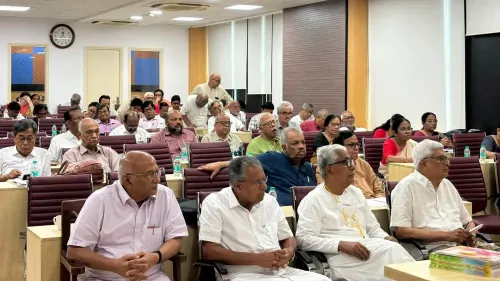
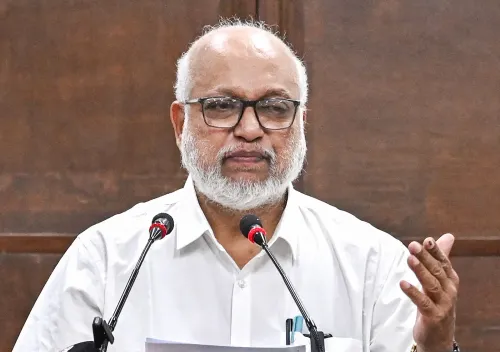
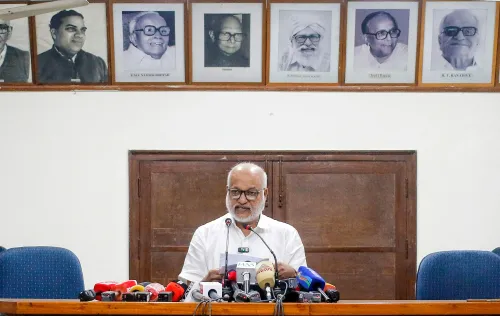
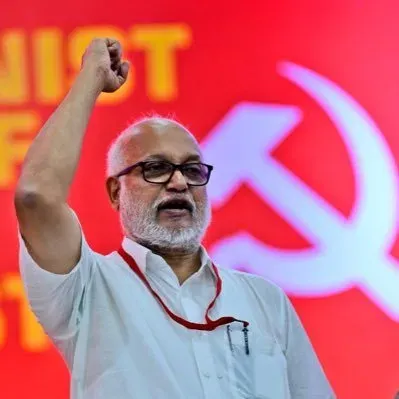
Emerging from a three-day Central Committee meeting in New Delhi on Tuesday, 14 July, CPI-M General Secretary M.A. Baby acknowledged the lapses without naming individuals. Baby said the party had conducted an extensive review of the Kerala poll results and agreed that there had been errors of judgement in candidate selection.
'The behaviour of every comrade affects the party,' Baby said, signalling that accountability would extend beyond organisational decisions to the conduct of individual leaders. He announced that an extended State Committee meeting would be convened in September to carry forward a more detailed discussion and implement corrective measures, adding: 'What's going to be discussed then cannot be said now.'
Scale of the Defeat
The LDF was reduced to just 35 seats in the 140-member Kerala Assembly — its poorest showing in decades. The result has also left the Front without the numbers required to elect even a single Rajya Sabha member from Kerala, where a candidate requires the support of at least 36 MLAs.
The Assembly rout was not an isolated event. Warning signs had emerged as early as the 2024 Lok Sabha elections, when the Left was reduced to just one of Kerala's 20 Parliamentary seats. The downward trend continued in local body elections in December, where the LDF suffered another severe reversal. Despite both setbacks, the party leadership had maintained that the losses were temporary and launched an extensive public outreach campaign ahead of the Assembly polls. That strategy failed to arrest the slide.
A Shift in the Party's Stance
The present admission marks a significant departure from months of insisting that electoral setbacks were largely the result of external factors. The CPI-M's reluctance to undertake a comprehensive organisational review after the 2024 Lok Sabha loss is now widely seen within the party as having cost it critical recovery time.
Notably, this pattern of delayed introspection mirrors what critics argue contributed to the CPI-M's erosion in West Bengal and Tripura — states where the party once held dominant positions but has since been marginalised.
What Comes Next
The focus now shifts to whether the September State Committee meeting will produce substantive organisational changes or another round of internal deliberation without structural reform. For the CPI-M, the challenge is no longer confined to recovering lost ground in Kerala — it is about preventing a prolonged decline that could further shrink its national footprint. How the party handles accountability in the months ahead will be a defining test of its capacity to self-correct.
Point of View
The party chose image campaigns over structural reform — and paid for it with its worst Assembly result in decades. The September State Committee meeting is now being framed as a corrective exercise, but the party has run similar reviews before without altering the underlying power dynamics that protect entrenched leaders from accountability. The real question is not whether Baby can name the problem — he has — but whether the party's internal culture will allow it to act on that diagnosis. The ghost of West Bengal, where the CPI-M spent years explaining away defeats until it was too late, looms large over Thiruvananthapuram.
NationPress
13 Oct 2026
Frequently Asked Questions
What did CPI-M admit after the Kerala Assembly election defeat?
CPI-M General Secretary M.A. Baby acknowledged on 14 July that the party had made errors of judgement in candidate selection ahead of the Kerala Assembly elections. He also said the conduct of individual party members had affected the organisation's electoral fortunes, without naming anyone specifically.
How many seats did the LDF win in the Kerala Assembly elections?
The Left Democratic Front won just 35 seats in the 140-member Kerala Assembly — its worst performance in decades. The result left the Front without the minimum 36 MLAs needed to elect even a single Rajya Sabha member from Kerala.
When will CPI-M hold its next review of the Kerala situation?
CPI-M General Secretary M.A. Baby announced that an extended State Committee meeting will be convened in September to carry forward a detailed discussion and implement corrective measures. He declined to specify what would be discussed at that meeting.
Was the Kerala Assembly defeat the first sign of CPI-M's decline in the state?
No. Warning signs appeared in the 2024 Lok Sabha elections, when the Left retained only one of Kerala's 20 Parliamentary seats. Losses in local body elections in December followed, but the party leadership maintained both times that the setbacks were temporary.
How does this compare to CPI-M's decline in other states?
Analysts draw parallels with the CPI-M's erosion in West Bengal and Tripura, where delayed organisational reform after electoral losses contributed to the party's eventual marginalisation. The Kerala situation is seen as a potential repeat of that pattern if substantive changes are not made.