Tamil Nadu CPM demands action over alleged bid to suppress Left protests
Synopsis
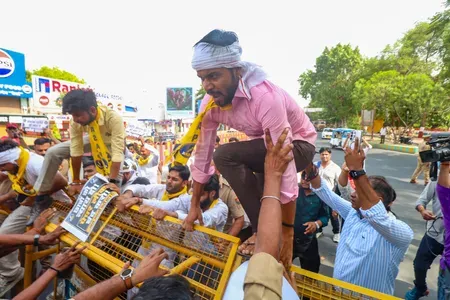
A circular allegedly issued after a meeting chaired by Tamil Nadu's Chief Secretary — directing police and education departments to prevent participation in Left-organised protests — has drawn sharp fire from the CPM. The party is now demanding not just withdrawal of the order but punitive action against senior officials, putting the DMK government's alliance with Left parties under visible strain.
Key Takeaways
CPM state secretary P.
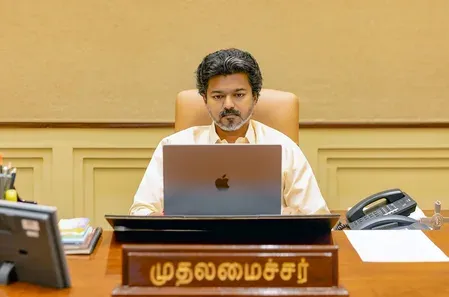
Shanmugam wrote to Chief Minister C.
Joseph Vijay on 27 August demanding action against the Chief Secretary and other officials.
A circular allegedly issued after a meeting chaired by the Chief Secretary directed departments and police to prevent participation in Left -organised protests.
The matter was reportedly marked 'high priority' and 'urgent' , with action-taken reports sought from departments.
The Gujiliamparai tahsildar in Dindigul district is separately accused of ordering a survey of CPM and CPI members — a move Shanmugam called intimidation.
The CPM rejected an Assembly apology by the Higher Education Minister , saying it sought accountability, not regret.
Nirmalkumar's claim that the tahsildar acted on personal preferences was rejected by the party as inadequate.
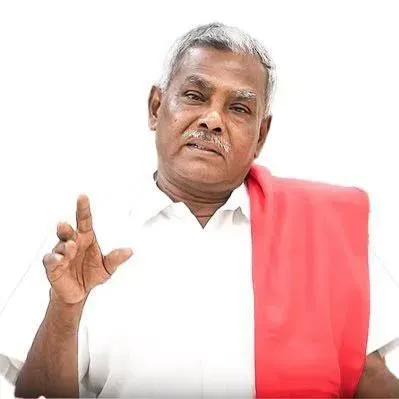
Communist Party of India (Marxist) state secretary P. Shanmugam has written to Tamil Nadu Chief Minister C. Joseph Vijay, demanding action against the Chief Secretary, the Gujiliamparai tahsildar of Dindigul district, and other officials allegedly involved in efforts to restrict Left-affiliated organisations from conducting protests. The letter, dated 27 August, calls the directives in question illegal and unconstitutional.
The Circular at the Centre of the Row
According to Shanmugam, a circular issued following a meeting chaired by the Chief Secretary instructed the School Education and Higher Education departments, police, and district administrations to coordinate measures aimed at preventing students and citizens from participating in demonstrations organised by Left parties and the Citizens for Justice and Peace (CJP). The matter was allegedly marked 'high priority' and 'urgent', with departments directed to submit action-taken reports.
Shanmugam argued that a decision flowing from a meeting presided over by the state's highest-ranking bureaucrat could not be dismissed as the conduct of a junior official. He demanded both the cancellation of the decision and the withdrawal of the circular.
Accountability, Not an Apology
The CPM leader pointed to what he described as selective action: the government had sought an explanation only from a Joint Director who forwarded the communication to colleges, while no action had reportedly been initiated against those who framed the original directive. He also referenced the Higher Education Minister's apology in the Assembly, saying the party had sought accountability — not a statement of regret.
Shanmugam stressed that the constitutional right to protest is available to all citizens and specifically objected to the proposed involvement of police in educational institutions to discourage students from joining demonstrations, calling it an overreach with chilling implications for civil liberties.
Separate Allegation Against Dindigul Tahsildar
In a separate allegation, Shanmugam accused the Gujiliamparai tahsildar in Dindigul district of instructing village administrative officers to collect personal details of CPM and Communist Party of India (CPI) members in the taluk. He described the move as intimidation and a misuse of official authority.
The district administration had initially indicated the tahsildar would be transferred after completing training, but subsequently sought an explanation under Rule 17A of the Tamil Nadu Government Servants' Conduct Rules. Shanmugam argued this response treated a serious abuse of power as a minor disciplinary lapse.
CPM Rejects Law Minister's Explanation
Responding to Law Minister R. Nirmalkumar's claim that the tahsildar had acted on personal preferences, Shanmugam rejected the characterisation, asserting that misuse of official office to surveil political party members warranted stringent disciplinary action — not a procedural inquiry. He called on the Chief Minister to clarify the government's position on both matters.
The episode marks a sharp escalation in tensions between the ruling Dravida Munnetra Kazhagam (DMK)-led government and Left parties, which are part of the broader INDIA bloc alliance in the state. How the Vijay administration responds is likely to test the durability of that political arrangement.
Point of View
Where a DMK-led administration stands accused of using the bureaucratic machinery to suppress its own partners' right to protest. The selective action — penalising a Joint Director who forwarded a circular while leaving the architects of the original decision untouched — suggests either poor crisis management or a deliberate containment strategy. The tahsildar episode, involving a survey of Left party members, is arguably more alarming: it echoes surveillance practices that belong to a different political era. If the Vijay government does not act decisively, it risks handing the Left a credible grievance that could complicate electoral arithmetic well before the next state election.
NationPress
11 Oct 2026
Frequently Asked Questions
What has the CPM demanded from Tamil Nadu Chief Minister C. Joseph Vijay?
The CPM has demanded that Chief Minister C. Joseph Vijay take action against the Chief Secretary and other officials allegedly responsible for a circular aimed at restricting Left-organised protests. The party has also sought the cancellation of the decision and withdrawal of the circular.
What did the alleged circular instruct government departments to do?
According to CPM state secretary P. Shanmugam, the circular directed the School Education and Higher Education departments, police, and district administrations to coordinate measures to prevent students and citizens from participating in protests organised by Left parties and the CJP. It was reportedly marked 'high priority' and 'urgent'.
What is the allegation against the Gujiliamparai tahsildar?
The Gujiliamparai tahsildar in Dindigul district allegedly instructed village administrative officers to collect personal details of CPM and CPI members in the taluk. The CPM has described this as intimidation and misuse of official authority, and has demanded stringent action beyond the procedural inquiry currently under way.
How has the Tamil Nadu government responded so far?
The Higher Education Minister offered an apology in the Assembly, which the CPM rejected as insufficient. The government sought an explanation from a Joint Director who forwarded the circular to colleges, but reportedly did not initiate action against those who framed the original directive. The district administration initially indicated the tahsildar would be transferred, then sought an explanation under Rule 17A of the Tamil Nadu Government Servants' Conduct Rules.
Why does this matter for Tamil Nadu's political landscape?
The CPM is part of the broader INDIA bloc alliance that includes the ruling DMK. Allegations that the DMK-led government used bureaucratic channels to suppress Left protests put the alliance under strain. The Vijay administration's response is likely to determine whether the episode remains a political dispute or deepens into a lasting rift.