Damoh heritage: Five Madhya Pradesh sites get state protection

Synopsis
Five rural religious monuments in Damoh district — including a Sun Temple, twin Madha Temples, a Ram-Janki Temple, and a monastic math — have been placed under state protection, giving Madhya Pradesh's lesser-known Jabera-Tendukheda region a conservation mandate and a potential foothold in heritage tourism.
Key Takeaways
Five monuments in Damoh district, Madhya Pradesh have been granted state-protected status as of 22 September 2026 .
The sites are: Madha Temple (Dauni) , Sun Temple (Mohad) , Madha Temple (Bardunwa) , Shri Ram-Janki Temple (Punwar) , and Vanshipur Math (Jabera tehsil) .
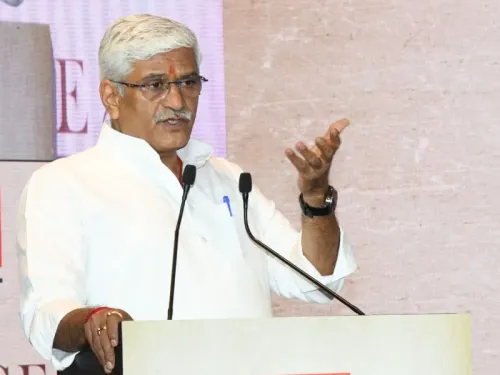
Culture and Tourism Minister Dharmendra Lodhi announced the decision, citing conservation and historical preservation goals.
State-protected status enables structural conservation funding and legal safeguards against deterioration.
The move is also expected to boost heritage tourism in the Jabera-Tendukheda corridor and create local employment opportunities.
Five ancient religious and heritage monuments in Madhya Pradesh's Damoh district have been granted state-protected status, opening the door for structured conservation of culturally significant sites in the Jabera-Tendukheda region. The announcement was made by Culture and Tourism Minister Dharmendra Lodhi on Tuesday, 22 September 2026.
The Five Protected Sites
The newly designated monuments span two tehsils. In Tendukheda tehsil, the list includes the Madha Temple in Dauni village and the Sun Temple in Mohad village. The remaining three — Madha Temple in Bardunwa village, Shri Ram-Janki Temple in Punwar village, and Vanshipur Math — fall within Jabera tehsil. Most of these structures are located in rural settings and have long served as focal points for local religious and cultural life.
What the Protection Status Means
Inclusion in the state-protected monuments list authorises authorities to undertake focused conservation work, reinforcing the structural integrity of the sites and halting further deterioration. It also places legal safeguards on the heritage character of each monument. Minister Lodhi said the decision would ensure that the historical identity of these sites is not eroded over time. 'The protection of these ancient sites will strengthen efforts for their proper conservation and development and help preserve their historical character for future generations,' he said.
Cultural and Historical Significance
Each site carries distinct heritage value. The twin Madha Temples at Dauni and Bardunwa represent early religious architecture of the region, while the Sun Temple at Mohad reflects the area's tradition of solar worship — a practice with deep roots across central India. The Ram-Janki Temple at Punwar is tied to the veneration of Lord Ram and Goddess Sita, and Vanshipur Math speaks to the region's monastic and spiritual legacy. Notably, Damoh district harbours a wider spread of heritage assets across its rural landscape, many of which remain outside established tourist circuits.
Tourism and Local Impact
Beyond conservation, the state protection status is expected to catalyse heritage-based tourism in the Jabera-Tendukheda corridor. Minister Lodhi said the move could draw fresh attention to lesser-visited destinations in the district, generate local employment, and keep younger generations connected to their cultural roots. Residents have reportedly welcomed the decision, viewing it as formal recognition of the region's historical importance. The development also aligns with the Madhya Pradesh government's broader push to expand cultural tourism beyond marquee destinations like Khajuraho and Sanchi.
What Comes Next
With the five monuments now officially listed, conservation agencies can begin assessments and allocate resources for structural restoration. The inclusion could also make the sites eligible for state and central heritage-fund disbursements. How quickly on-ground conservation work commences will determine whether the designation translates into tangible preservation outcomes.
Point of View
But designation alone rarely guarantees conservation. Madhya Pradesh has a long list of state-protected sites where structural restoration remains pending for years after formal listing. The real measure of this announcement will be whether budgetary allocations and on-ground conservation work follow within a defined timeline. The Jabera-Tendukheda region's heritage assets deserve more than a gazette entry — they need a funded, time-bound restoration plan if the government's tourism ambitions are to move beyond aspiration.
NationPress
22 Sept 2026
Frequently Asked Questions
Which five heritage sites in Damoh have received state protection?
The five newly state-protected monuments are: Madha Temple in Dauni village, Sun Temple in Mohad village (both in Tendukheda tehsil), Madha Temple in Bardunwa village, Shri Ram-Janki Temple in Punwar village, and Vanshipur Math in Jabera tehsil. The announcement was made on 22 September 2026.
What does state-protected status mean for these monuments?
State-protected status authorises conservation agencies to undertake structural restoration, allocate heritage funds, and place legal safeguards on the monuments' historical character. It also makes the sites eligible for state and central heritage-fund disbursements and prevents unauthorised alterations.
Who announced the state protection for the Damoh heritage sites?
Madhya Pradesh Culture and Tourism Minister Dharmendra Lodhi announced the decision on Tuesday, 22 September 2026. He stated that the move would help preserve the historical identity of the sites for future generations.
How could this decision affect local tourism in Damoh?
The state protection status is expected to encourage heritage-based tourism in the Jabera-Tendukheda region, drawing visitors to sites that currently fall outside Damoh's established tourist circuit. Minister Lodhi indicated it could also generate local employment opportunities linked to tourism and conservation activities.
What is the historical significance of the protected sites?
The Sun Temple at Mohad reflects the region's tradition of solar worship, the Ram-Janki Temple at Punwar is associated with the veneration of Lord Ram and Goddess Sita, Vanshipur Math represents the area's monastic heritage, and the Madha Temples at Dauni and Bardunwa are among the older religious structures of central Madhya Pradesh.