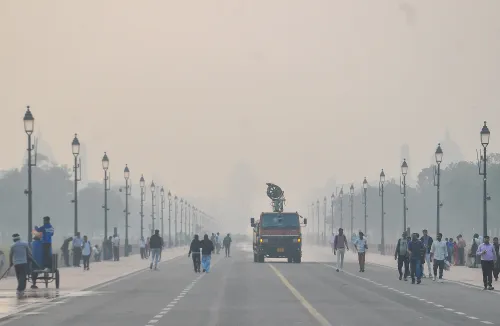
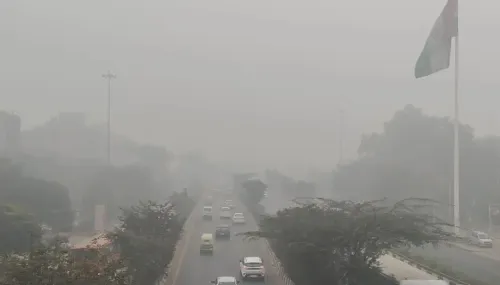
Delhi AQI hits 180 for third straight day; GRAP Stage I in force across NCR
Synopsis
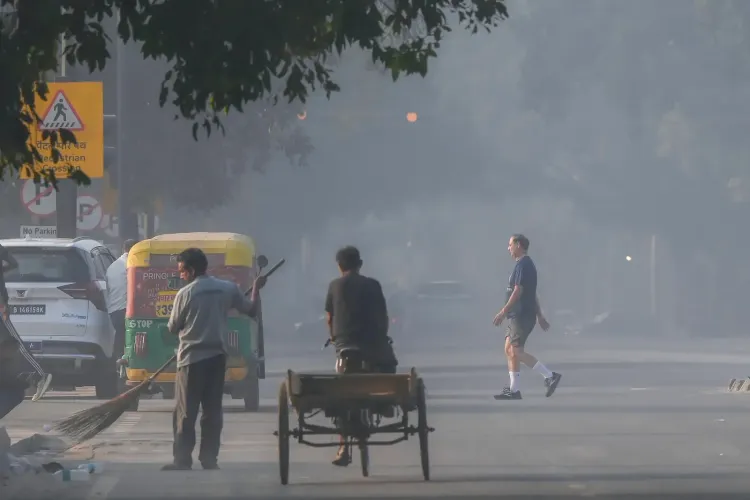
Delhi's air is in the 'poor' zone for a third straight day, with some monitoring stations touching near-severe levels. Post-Dussehra smoke has accelerated a seasonal slide that typically worsens through November — and with GRAP Stage I already active, an escalation to Stage II is on the table if winds stay unfavourable.
Key Takeaways
Delhi's overall AQI stood at 180 on 24 October 2026 — the third consecutive day in the 'poor' category.
Worst-hit stations on Saturday: Jahangirpuri (270), Mundka (264), Vivek Vihar (261), Alipur (254).
On Friday, three stations — Pusa (319), R.K.
Puram (307), Punjabi Bagh (302) — had touched the 'very poor' threshold.
The CAQM invoked GRAP Stage I across Delhi-NCR this week; Stage II could follow if conditions worsen.
Transport is the largest identifiable pollution source at 20.3% of Delhi's pollution load, per government data.
Environment Minister Manjinder Singh Sirsa has directed officials to create targeted hotspot action plans with fixed deadlines.
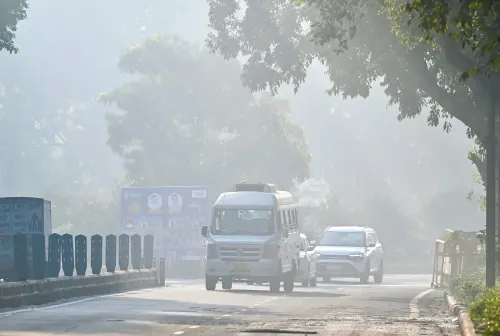
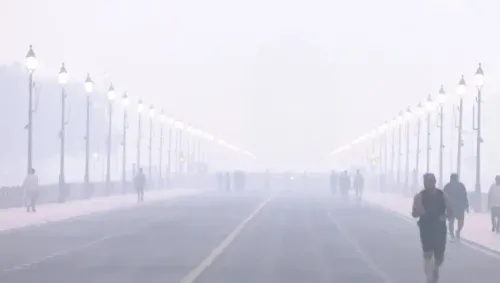
Delhi's air quality languished in the 'poor' category for a third consecutive day on Saturday, 24 October 2026, with the overall Air Quality Index (AQI) recorded at 180, according to official monitoring data. Post-Dussehra smoke, vehicular emissions and unfavourable meteorological conditions have together driven a measurable deterioration across Delhi-NCR.
Hotspot Readings Across the Capital
Monitoring stations spread across the city painted a picture of uneven but widespread pollution. Among the most severely affected areas, Jahangirpuri logged an AQI of 270, Mundka recorded 264, Vivek Vihar stood at 261, Alipur touched 254, and DTU registered 245. Other elevated readings included Punjabi Bagh (247), R.K. Puram (240), NIH Narela (241), IIT Delhi (221), Burari Crossing (217), and Chandni Chowk (211).
Notably, a day earlier on Friday, conditions at three stations had worsened into the 'very poor' bracket: Pusa clocked 319, R.K. Puram hit 307, and Punjabi Bagh reached 302. Of the 56 stations that reported data on Friday, 36 fell in the poor category while the remainder stayed moderate.
GRAP Stage I Invoked, Environment Minister Acts
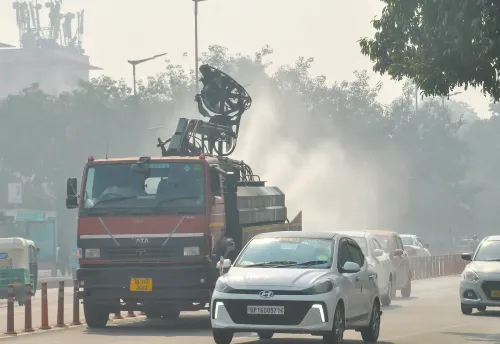
The Commission for Air Quality Management (CAQM) invoked Stage I of the Graded Response Action Plan (GRAP) across Delhi-NCR earlier this week after the AQI crossed into poor territory. The measures under Stage I include dust suppression drives, stricter compliance with construction and demolition norms, improved waste management protocols, and efforts to curtail vehicular emissions.
Delhi Environment Minister Manjinder Singh Sirsa chaired a review meeting and directed officials to draw up targeted action plans for identified pollution hotspots. According to officials, these plans will map local pollution sources, assign responsibility to relevant agencies, and set firm deadlines for corrective action. Sirsa also instructed officials to analyse AQI monitoring data to pinpoint the dominant contributors in each affected zone.
What Is Driving the Pollution
Government data identifies transport as the single largest contributor among listed sources, accounting for 20.3% of Delhi's air pollution load. Residential sources follow at 5.2%, then industries at 4.2% and construction activities at 2.6%. Energy accounts for 2%, waste burning for 1.8%, road dust for 1.4%, and other sources for 1.3%.
This comes amid the seasonal transition into winter, when cooler, stagnant air traps pollutants closer to ground level — a recurring pattern that typically pushes Delhi's AQI into poor or very poor territory from late October onward. The Dussehra firecrackers this year added an acute spike to an already deteriorating baseline, consistent with trends observed in previous years.
What to Watch Next
Authorities have indicated that Stage I of GRAP will remain in force until conditions improve. Should the AQI cross 200 on a sustained basis, the CAQM is empowered to escalate to Stage II, which brings stricter restrictions including curbs on diesel generator use and tighter construction bans. The coming days' meteorological forecast — particularly wind speed and direction — will be a key determinant of whether conditions ease or deteriorate further.
Point of View
And the city's institutional response has become equally predictable. GRAP is invoked, review meetings are held, hotspot plans are drafted, and the air eventually improves when winter winds arrive. What the data consistently fails to move is the structural fix: transport at 20.3% of the pollution load is an addressable number, yet fleet electrification, public-transit modal shift, and road-dust control remain underfunded relative to the scale of the problem. The Dussehra spike is a convenient annual scapegoat; the baseline deterioration that precedes and follows it deserves equal attention.
NationPress
24 Oct 2026
Frequently Asked Questions
What is Delhi's AQI today, 24 October 2026?
Delhi's overall Air Quality Index stood at 180 on Saturday, 24 October 2026, placing it in the 'poor' category for the third straight day. Individual stations ranged from moderate to near-severe, with Jahangirpuri recording the highest reading at 270.
What is GRAP Stage I and why has it been invoked in Delhi?
GRAP Stage I is the first level of the Graded Response Action Plan, a set of emergency pollution-control measures activated by the Commission for Air Quality Management when Delhi's AQI enters the 'poor' range (above 200 on the 24-hour average scale). It mandates dust suppression, stricter construction norms, better waste management, and controls on vehicular emissions. It was invoked this week after sustained poor air quality.
Why has Delhi's air quality worsened this week?
Post-Dussehra firecracker smoke combined with unfavourable meteorological conditions — cooler, stagnant air that traps pollutants near ground level — have driven the deterioration. The seasonal transition into winter typically worsens Delhi's AQI from late October onward, and this year's pattern is consistent with previous years.
Which areas in Delhi have the worst air quality right now?
As of 24 October, the most polluted monitoring stations include Jahangirpuri (AQI 270), Mundka (264), Vivek Vihar (261), Alipur (254), DTU (245), and Punjabi Bagh (247). On Friday, Pusa, R.K. Puram, and Punjabi Bagh had crossed into the 'very poor' bracket.
What happens if Delhi's AQI worsens further?
If the AQI crosses 200 on a sustained basis, the CAQM can escalate to GRAP Stage II, which introduces stricter curbs including restrictions on diesel generator use and tighter construction bans. Stages III and IV carry progressively heavier restrictions, including potential school closures and entry bans on certain vehicle categories.