Did Delhi BJP Celebrate the SC's Ruling on Rekha Gupta's Anti-Fee Hike Law?
Synopsis
Delhi BJP leader Virendra Sachdeva hails the Supreme Court's decision on the Delhi School Education Act 2025, emphasizing its role in protecting parents from unjust school fee hikes. This pivotal law restricts fee increases and mandates parental involvement, challenging previous administrations' failures in educational reform.
Key Takeaways
Supreme Court upholds Delhi School Education Act 2025 Legislation protects parents from fee hikes Requires school fee increases to have government approval Empowers parents to have a say in fee structures Criticism directed at previous administrations for collusion
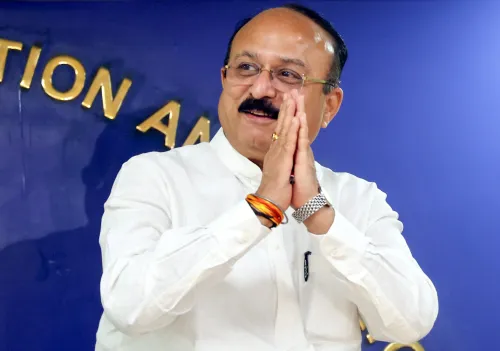
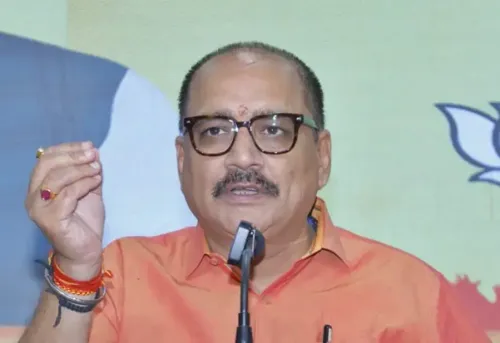
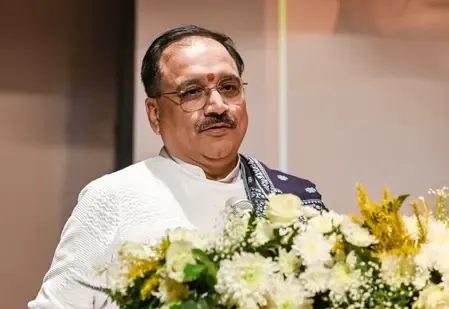
New Delhi, Feb 3 (NationPress) The President of Delhi BJP, Virendra Sachdeva, expressed his approval of the Supreme Court’s decision to uphold the Delhi School Education Act 2025, deeming it a significant victory for parents against excessive fee increases imposed by schools.
During a recent court session, Sachdeva noted that the court dismissed claims made by private school representatives after reviewing the Delhi government's affidavit. The Supreme Court affirmed that the Delhi School Education (Transparency in Fixation and Regulation of Fees) Bill, 2025 will take effect from the academic year 2026–27, ensuring the protection of parental interests without the need for additional hearings on petitions from private institutions.
The new legislation prohibits the 1,700 private schools in the city from raising fees without obtaining government consent.
Sachdeva criticized both the Congress and Kejriwal’s administration for colluding with private schools, allowing them to exploit parents through annual fee hikes and other charges.
Upon the establishment of the BJP-led Rekha Gupta government in Delhi in 2025, and following attempts by schools to increase fees, Education Minister Ashish Sood introduced this crucial Act.
He challenged the Aam Aadmi Party, questioning their commitment to educational reform as they permitted constant fee increases. He asked why they never enacted a law similar to the Delhi Education Act 2025 if they were genuinely concerned.
The Delhi School Education Act 2025 not only grants parents a role in determining school fees but also ensures that fee adjustments for upcoming academic sessions can only occur with the consent of the parents’ committee.
Sachdeva posed two critical questions to Saurabh Bharadwaj, the AAP convener: Is it accurate that Khagesh Jha, who has challenged the Act, frequently collaborates with Bharadwaj on podcasts? Furthermore, Bharadwaj must clarify why private school owners, if benefiting from this Act, would challenge it in court.
Point of View
It is imperative to acknowledge the significant impact of the Supreme Court's ruling on the Delhi School Education Act 2025. This legislation represents a proactive step towards regulating educational costs and safeguarding parental interests, which is crucial in today's financial climate. The ongoing discourse surrounding school fees highlights a broader need for transparency and accountability in the education sector.
NationPress
24 Oct 2026
Frequently Asked Questions
What does the Delhi School Education Act 2025 entail?
The Act regulates school fees, prohibiting private schools from increasing fees without government approval, thereby protecting parents from unreasonable charges.
When will the Act come into force?
The Delhi School Education Act 2025 will be implemented starting from the academic year 2026-27.
Who introduced the Act?
The Act was introduced by Delhi's Education Minister Ashish Sood under the BJP government led by Rekha Gupta.
How does this Act involve parents?
The Act ensures that any fee adjustments for future academic sessions require the approval of a parents’ committee, thereby giving parents a voice in fee determinations.
What criticism did the BJP have towards previous administrations?
BJP leaders criticized both the Congress and Kejriwal governments for colluding with private schools and allowing them to exploit parents with continual fee increases.