Delhi CM Rekha Gupta flags off 100 electric buses, launches Delhi-Hapur service

Synopsis
Delhi CM Rekha Gupta added 100 electric buses to the capital's fleet and launched the first interstate electric corridor to Hapur — all under a ₹15,000 crore EV policy that the government is calling the largest of its kind in India. With Karnal and Panipat routes in the pipeline, Delhi is making a visible bet that electric public transport can dent its chronic pollution crisis.
Key Takeaways
Delhi CM Rekha Gupta flagged off 100 new electric buses on 20 November 2026 .
The Delhi-Hapur interstate electric bus service was inaugurated on the same day.
Delhi's EV policy carries an outlay of ₹15,000 crore , described by the government as the largest such policy in India .
The government has been expanding its electric bus fleet consistently over the past 18 months .
Electric bus services on Delhi-Karnal and Delhi-Panipat routes are also being planned.
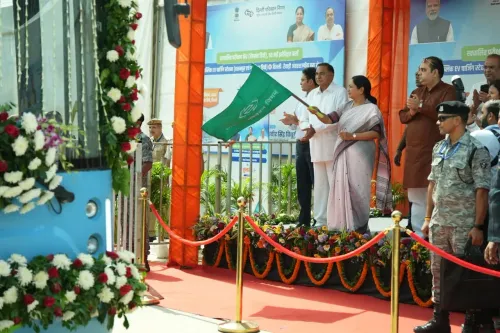
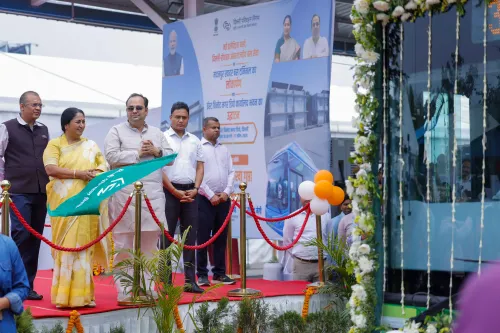
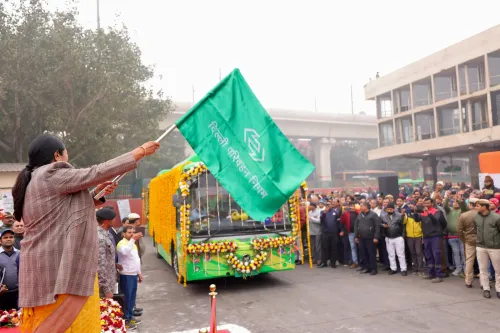
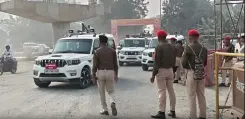
Delhi Chief Minister Rekha Gupta on Friday, 20 November 2026, flagged off 100 new electric buses and inaugurated the Delhi-Hapur interstate electric bus service, marking a fresh push to expand clean public transport in the national capital. The Chief Minister said the twin initiatives would improve mobility for commuters, strengthen passenger safety, and reduce the city's pollution burden.
What Was Launched
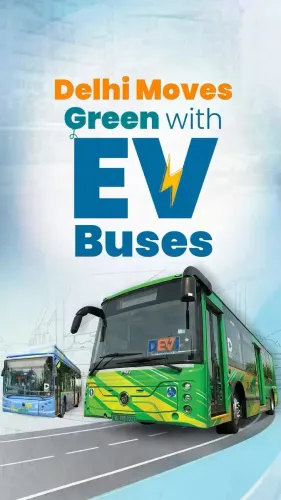
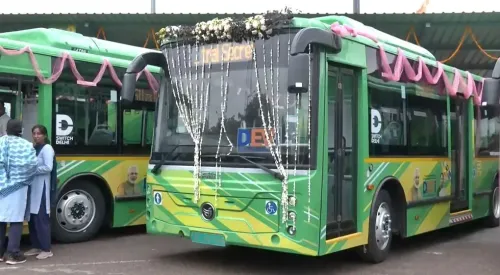
The flag-off added 100 electric buses to Delhi's existing public transport network, while simultaneously launching a new interstate electric bus corridor connecting Delhi and Hapur. According to Chief Minister Gupta, the Delhi government has been steadily growing its electric bus fleet over the past 18 months, framing the expansion as part of a broader environmental commitment at a time when air quality remains a persistent concern for the city.
'At a time when pollution is being discussed everywhere, the Delhi government has been consistently increasing the number of electric buses in the city's public transport system over the past 18 months, fulfilling its responsibility towards the people. Today, we have added 100 more buses to Delhi's transport network,' Gupta said.
Delhi's ₹15,000 Crore EV Policy
Chief Minister Gupta highlighted that Delhi had introduced what she described as the largest electric vehicle policy in the country, with an outlay of ₹15,000 crore. The policy includes subsidies and incentives to encourage citizens to scrap older, polluting vehicles and switch to electric alternatives. She emphasised that full implementation by the government machinery remained a priority.
'These buses will not only improve public transport for residents but also enhance their safety and benefit the city's environment. Delhi has introduced a major EV policy with an outlay of ₹15,000 crore, the largest such policy in the country,' Gupta added.
Transport Minister Flags Connectivity Push
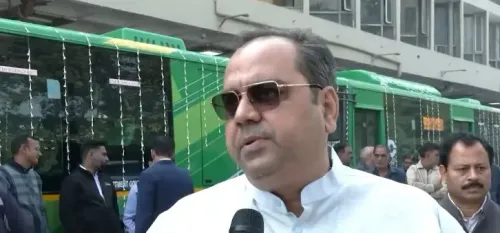
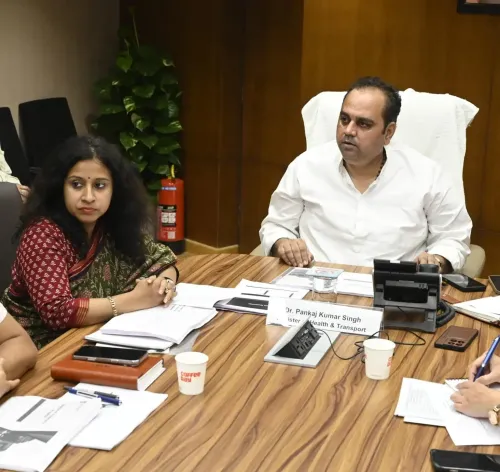
Delhi Transport Minister Pankaj Kumar Singh described the launch as a significant step toward expanding last-mile connectivity and promoting clean mobility. He said the government was also working on extending electric bus services to routes linking Delhi-Karnal and Delhi-Panipat, citing a positive early response.
Singh alleged that the previous government had allowed public transport infrastructure to deteriorate, including services for women commuters. 'The previous government had stopped connectivity, whether through electric vehicles or buses for women. The condition of transportation was worse. Now, to improve connectivity, we are arranging clean bus services between Delhi and Hapur, as well as Karnal and Panipat,' he said.
What Comes Next
Officials indicated that the government aims to continue scaling up the number of non-polluting buses operating in the capital. This comes amid Delhi's ongoing struggle with seasonal air pollution, which has drawn national attention and prompted stricter vehicle emission norms in recent years. With the ₹15,000 crore EV policy now being operationalised, further fleet expansions and route extensions are expected in the months ahead.
Point of View
And the ruling dispensation is visibly staking its credibility on electric public transport. The ₹15,000 crore EV policy is a substantial fiscal commitment, but fleet numbers alone will not move the pollution needle unless charging infrastructure keeps pace and the retired-vehicle scrappage incentives generate real uptake. The dig at the previous government over women's bus services adds an electoral charge to what is otherwise a routine policy roll-out. The real metric to watch is not buses flagged off, but actual daily ridership on these new corridors six months from now.
NationPress
20 Nov 2026
Frequently Asked Questions
How many electric buses did Delhi add on 20 November 2026?
Delhi Chief Minister Rekha Gupta flagged off 100 new electric buses on 20 November 2026, adding them to the capital's existing public transport network. The government said it has been steadily expanding its electric fleet over the past 18 months.
What is the Delhi-Hapur interstate electric bus service?
The Delhi-Hapur interstate electric bus service is a newly inaugurated corridor that connects Delhi with Hapur using electric buses, launched on 20 November 2026. The government also plans to extend similar electric services to Karnal and Panipat.
What is Delhi's ₹15,000 crore EV policy?
Delhi's EV policy is a government scheme with a total outlay of ₹15,000 crore, which CM Rekha Gupta has described as the largest electric vehicle policy in India. It includes subsidies and incentives to encourage citizens to scrap old polluting vehicles and transition to electric alternatives.
Why is Delhi expanding its electric bus fleet?
Delhi is expanding its electric bus fleet to tackle chronic air pollution, improve public transport, and fulfil commitments under its ₹15,000 crore EV policy. Officials say the expansion also aims to improve last-mile connectivity and passenger safety.
Which new interstate electric bus routes are being planned by Delhi?
Besides the Delhi-Hapur route inaugurated on 20 November 2026, the Delhi government is also working on electric bus services connecting Delhi with Karnal and Panipat, according to Transport Minister Pankaj Kumar Singh.