What Caused the Sudden Rain in Delhi and Its Effects?
Synopsis
On January 9, Delhi and the NCR experienced an unexpected rain spell that intensified the ongoing cold wave. Despite the rainfall, the air quality remains critically poor. This article delves into the impact of this sudden weather change on air pollution levels and temperatures in the region.
Key Takeaways
Sudden rainfall in Delhi exacerbated the ongoing cold wave.
Air quality levels remained critically high despite the rain.
Minimum temperatures are expected to stay around 5 degrees Celsius.
IMD warns of no significant change in minimum temperatures for the next few days.
Residents are encouraged to take precautions against pollution and cold.
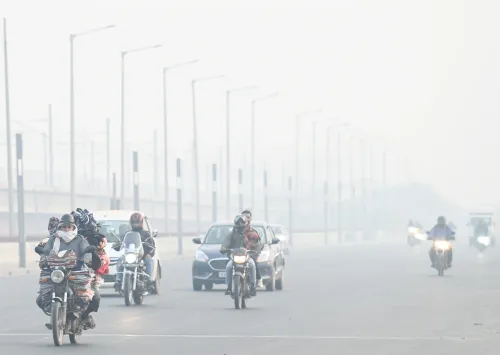
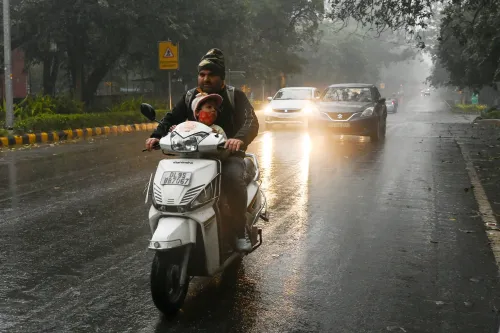
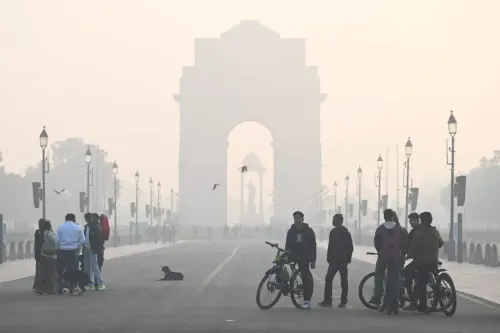
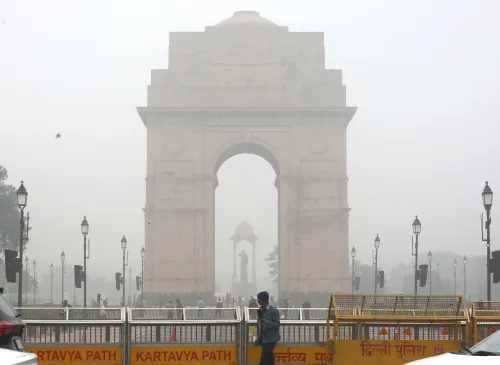
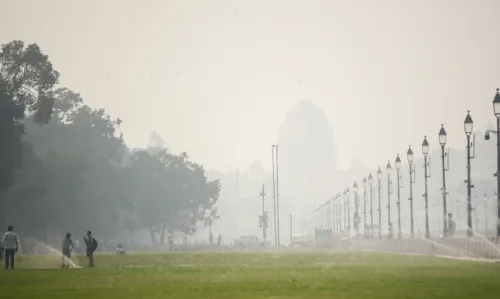
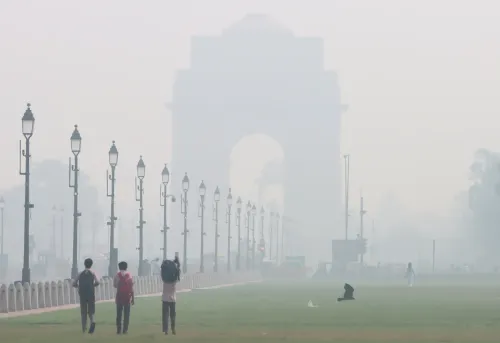
New Delhi, Jan 9 (NationPress) Residents of Delhi and the National Capital Region (NCR) were taken by surprise early Friday morning when a sudden downpour swept through the area, exacerbating the existing cold wave. Despite the rainfall, air pollution levels remained alarmingly high, with the Air Quality Index (AQI) recorded in the ‘very poor’ category.
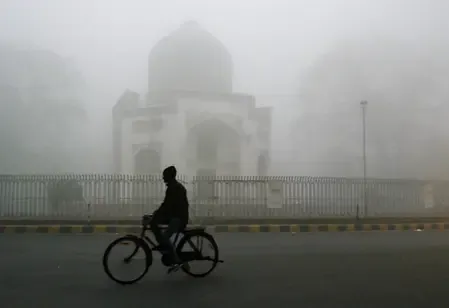
Dark clouds shrouded the capital in the early hours before rainfall commenced around 6 a.m. in numerous parts of Delhi. The rain began moderately to heavily and later lessened. Cold northwesterly winds accompanied the precipitation, heightening the chill. Gurugram also encountered rainfall, even though no specific precipitation alerts had been issued for the city.
As per the India Meteorological Department (IMD), the minimum temperature in Delhi on Friday is predicted to be around 5 degrees Celsius, while the maximum temperature may range from 16 to 17 degrees Celsius. On Thursday, the Safdarjung weather station noted a minimum temperature of 5.8 degrees Celsius, nearly one degree below the seasonal average, marking it as the coldest day of the winter thus far. Lodhi Road recorded a similar low of 6.1 degrees Celsius.
Although rainfall typically aids in enhancing air quality, pollution levels showed minimal improvement. According to official records, the AQI stood at approximately 321 at 8 a.m., firmly situated in the ‘very poor’ range. Numerous monitoring stations throughout the capital continued to report alarming figures.
Data from the Central Pollution Control Board (CPCB) indicated that Anand Vihar recorded an AQI of 385, while Bawana stood at 276. Chandni Chowk reported an AQI of 335, Dwarka 346, and ITO noted 307. Jahangirpuri recorded 340, Mundka 326, Wazirpur 336, and Vivek Vihar showed particularly severe conditions at 368. IGI Airport, comparatively better, recorded an AQI of 252.
Neighboring cities in the NCR also continued to grapple with poor air quality. Ghaziabad noted an AQI of 286, while Noida’s air quality further deteriorated to 370. Gurugram reported AQI levels ranging from 238 to 385 at various locations.
On Thursday, Palam emerged as the coldest station in the capital, recording a minimum temperature of 4.8 degrees Celsius. Ridge and Ayanagar both recorded lows of 5.8 degrees Celsius. The persistent cold was felt throughout the day, as maximum temperatures remained below normal across all weather stations.
Meanwhile, the IMD has alerted of heavy rain in parts of southern India, while severe cold and dense fog conditions are expected to linger across northern and central regions.
The IMD has indicated that no significant change in minimum temperatures is anticipated over the next three to four days. Light to moderate fog is expected to persist during mornings, while partly cloudy conditions may develop at some locations between January 10 and 12. Maximum temperatures are also expected to remain below normal. With no major western disturbance or rainfall forecast, cold conditions coupled with pollution are likely to continue troubling residents.
Point of View
It's essential to highlight the ongoing challenges faced by Delhi's residents amid this sudden weather change. While the rain could have been seen as a relief, the persistence of poor air quality raises significant concerns about public health and environmental policies. Our focus remains on delivering accurate and timely information to guide our audience through these pressing issues.
NationPress
30 Sept 2026
Frequently Asked Questions
What was the cause of the sudden rain in Delhi?
The sudden rain in Delhi was attributed to an unexpected weather system that brought moderate to heavy showers to the region, intensifying the existing cold wave.
How did the rain affect air quality in Delhi?
Despite the rainfall, air quality levels in Delhi remained critically poor, with the AQI recorded in the 'very poor' category, showing minimal improvement.
What are the expected temperatures for Delhi?
The minimum temperature in Delhi is expected to remain around 5 degrees Celsius, with maximum temperatures hovering between 16 and 17 degrees Celsius.
Are there any warnings for severe weather in India?
Yes, the IMD has warned of heavy rain in parts of southern India, along with severe cold and dense fog conditions expected to persist in northern and central regions.
What measures can residents take to cope with the cold and pollution?
Residents are advised to wear warm clothing, limit outdoor activities during peak pollution hours, and utilize air purifiers indoors to manage poor air quality.